Story: Puglia | Wine region
Page: 5/5
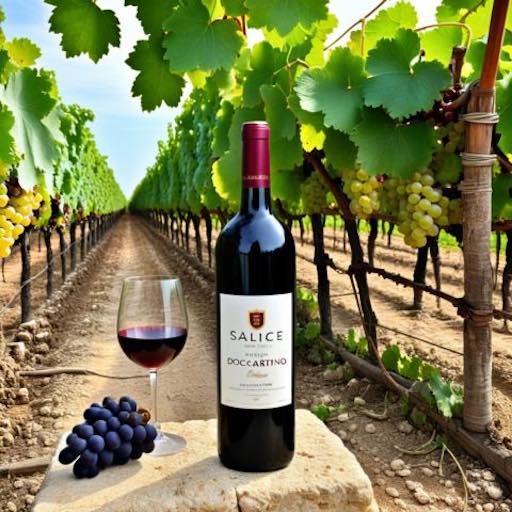
In the sun-kissed region of Apulia, more precisely in the “heel” of the Italian boot, lies the small town of Salice Salentino, whose name is shared by an entire wine-growing region. The wine produced there with the Salice Salentino DOC designation of origin is one of Apulia's most characterful red wines and a true specialty of this region.
Origin, climate, and terroir
The Salice Salentino wine-growing region extends mainly across the provinces of Lecce and Brindisi, around the municipalities of Salice Salentino, Guagnano, Veglie, San Donaci, and San Pancrazio Salentino. The soils here consist mainly of calcareous clay, which has excellent water retention properties. The climate is Mediterranean with hot, dry summers and mild winters - a combination that is perfectly suited to the vines. In addition, sea breezes from the nearby coast bring relief and help to moderate temperature fluctuations.
The special characteristics of the grape varieties
The red wines of Salice Salentino are primarily based on the Negroamaro grape, often supplemented with Malvasia Nera. Negroamaro is a very typical grape variety of southern Italy—its name already reveals something about its character: “Negro” for its deep dark color and “amaro” for the slightly bitter component that is characteristic of the grape. According to the DOC regulations, red wines must consist of at least 90% Negroamaro.
Taste, character, and style
Salice Salentino wines are usually deep ruby red with violet reflections. They are full-bodied on the palate, often with a strong fruity presence: aromas of dark berries, plums, sour cherries, and sometimes red fruits dominate the bouquet. In addition to the fruitiness, there are spicy nuances - such as cloves, black pepper, or vanilla, especially in versions that have been aged in wood. The tannins are usually soft, the structure harmonious, with a pleasant bitterness typical of Negroamaro. Depending on the style, this wine can be relatively accessible when young, while more sophisticated versions - such as Riserva editions - can also be stored for a few years and gain in complexity.
History and significance
The Salice Salentino DOC was introduced in 1976, underscoring the region's long wine-growing tradition. Winegrowing in this area dates back even further: wine historians point to traces of early medieval activity, and the region is mentioned in ancient texts. Its geographical location—away from the large industrial wine regions, with small plots and traditional cultivation methods—makes Salice Salentino an authentic expression of Apulian wine culture. In addition, old vineyards, whose soils contain the characteristic clay-limestone mixture, give the wines their specific mineral undertones.
An exemplary producer: Torrevento
Particularly noteworthy is the Torrevento winery, which produces its Salice Salentino Rosso DOC from Negroamaro and Malvasia Nera. The wine is made with respect for tradition, while at the same time the estate focuses on quality and controlled storage. Aromas of plum, sour cherry, and vanilla unfold on the nose, while dark fruit combines with a velvety texture and subtle spice on the palate. The wine has a smooth but unobtrusive structure and a harmonious finish.
Local characteristics and cultural context
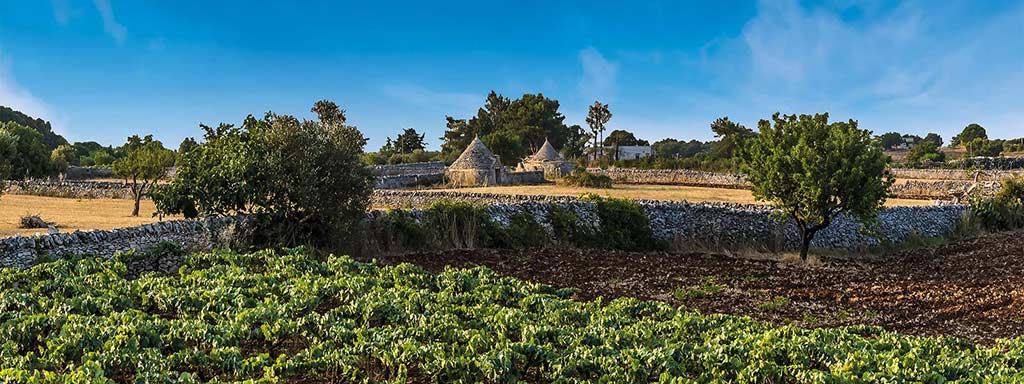
A landmark of the region is the ancient Castello Monaci in Salice Salentino. The historic castle is picturesquely situated among the vineyards and is a symbol of the deep connection between viticulture, history, and landscape. In addition, the wine reflects the heritage of the region: it is closely intertwined with the land, the soil composition, and the climate, which has been used for centuries to cultivate the Negroamaro grape.
Conclusion: A powerful, characterful classic from Apulia
Salice Salentino DOC is more than just a red wine from Apulia—it is an authentic reflection of the wine tradition and terroir of Salento. With its deep color, intense fruit, and gently spicy structure, it showcases what makes the region unique. Producers such as Torrevento are helping to make this wine internationally known and appreciated.
If you want to experience Puglia in a glass, Salice Salentino is a must: it is ideal for hearty Mediterranean dishes such as grilled meat, pasta with spicy sauce, or mature cheese - and proves with every sip that great wines are produced in southern Italy. - Gerardo [TS12/25]
| Name | Puglia | |||||||||||||||||||||||||||||||||||||||||||||||||||||||||||||||||||||||||||||||||||||||||||||||||
| Category | Wine Region | |||||||||||||||||||||||||||||||||||||||||||||||||||||||||||||||||||||||||||||||||||||||||||||||||
| Vineyard Area (Hectare) | 100.000 | |||||||||||||||||||||||||||||||||||||||||||||||||||||||||||||||||||||||||||||||||||||||||||||||||
| Grape Varieties | Primitivo, Negroamaro, Malvasia Nera, Bombino Nero, Nero Di Troia, Malvasia Bianca, Bombino Bianco, Chardonnay, Fiano, Verdeca, Sauvignon | |||||||||||||||||||||||||||||||||||||||||||||||||||||||||||||||||||||||||||||||||||||||||||||||||
| Capital | Bari | |||||||||||||||||||||||||||||||||||||||||||||||||||||||||||||||||||||||||||||||||||||||||||||||||