Story: Lazio | Wine region
Page: 1/5
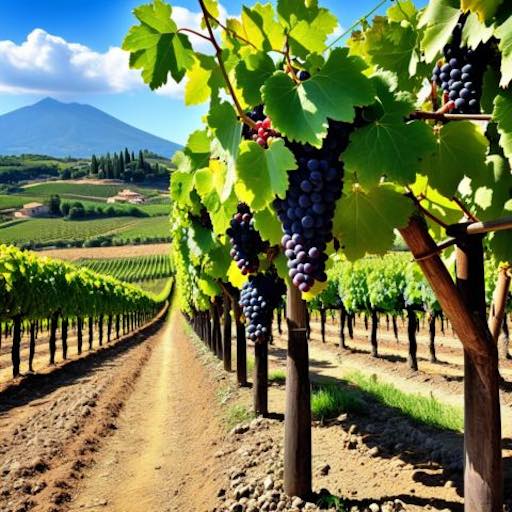
Lazio — known as Latium in Italian — is one of Italy's most historically significant wine regions. The Etruscans and later the Romans were actively involved in winegrowing here in ancient times, and wines from Lazio were highly prized throughout the Roman Empire. Over the centuries, Lazio experienced ups and downs: after its heyday in ancient times and the Roman Empire, viticulture remained present, but with changing political, economic, and climatic conditions, some of the quality was lost. In recent decades, winegrowers have been increasingly striving for quality, varietal grape varieties, and a revival of the wine tradition.
Geographical features, climate & wine-growing areas
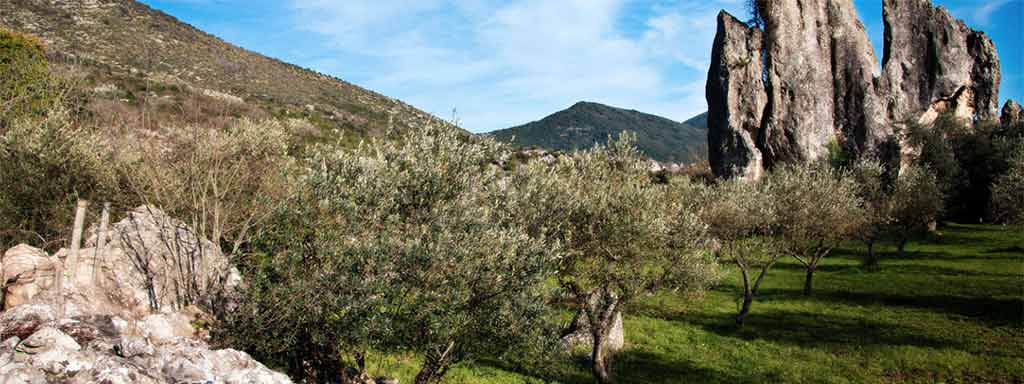
Lazio is located around the capital Rome and stretches from the Tyrrhenian coast through coastal plains to hilly landscapes and parts of the Apennines. This diversity of landscapes—from flat plains to hills and mountainous sections—allows for very different vineyards. Many soils are volcanic in origin or consist of tuff and clay soils, especially in the areas around the Alban Hills and the Alban Hills (Castelli Romani), which gives the wine a special minerality. The vineyards of Lazio are estimated to cover between 23,000 and 48,000 hectares, depending on the source. The climate is Mediterranean on the coast, with mild winters and hot, dry summers, while the inland and hill regions are characterized by cooler nights and slightly more variable weather — ideal for ripening grapes with freshness and balance.
Commonly grown grape varieties and why
White wine traditionally dominates in Lazio, as the climatic and soil conditions here are particularly favorable for white grapes. Typical white grape varieties include Trebbiano, Malvasia (including Malvasia Bianca di Candia / Malvasia del Lazio), often complemented by Grechetto, Bellone, Bombino Bianco, and others. These varieties produce light, fresh, and aromatic wines—well suited to Mediterranean conditions. On the red side, regional varieties such as Cesanese are important—especially in central Lazio—as well as classics such as Sangiovese and Montepulciano, supplemented by international grape varieties such as Merlot or Cabernet Sauvignon in certain IGT-DOC wines. The revival of old, local grape varieties reflects the desire to preserve the authentic terroir and create characterful wines with regional roots.
Noteworthy wines or wine specialties
A well-known flagship of Lazio is the white Frascati—a wine that was already popular in ancient times and is still considered a classic today. Frascati Superiore (DOCG) in particular enjoys a high reputation. Other well-known white wines come from regions such as Castelli Romani and Colli Albani, where the volcanic soils produce mineral, fresh wines. But Lazio also produces red wines: wines made from the Cesanese grape variety—such as DOCG Cesanese del Piglio—show that the region has more to offer than just white wine; these red wines are full of character, rooted in the region, and are gaining recognition. There are also DOCs such as Est! Est!! Est!!! di Montefiascone, which are historically famous and produced from white grape varieties — a testament to the region's long and varied winemaking tradition. - Gerardo [TS12/25]
| Name | Lazio | |||||||||||||||||||||||||||||||||||||||||||||||||||||||||||||||||||||||||||||||||||||||||||||||||
| Category | Wine Region | |||||||||||||||||||||||||||||||||||||||||||||||||||||||||||||||||||||||||||||||||||||||||||||||||
| Vineyard Area (Hectare) | 48.000 | |||||||||||||||||||||||||||||||||||||||||||||||||||||||||||||||||||||||||||||||||||||||||||||||||
| Grape Varieties | Cesanese, Canaiolo, Cabernet, Merlot, Syrah, Sangiovese, Bellone, Grechetto, Greco, Malvasia, Trebbiano, Moscato | |||||||||||||||||||||||||||||||||||||||||||||||||||||||||||||||||||||||||||||||||||||||||||||||||
| Capital | Rome | |||||||||||||||||||||||||||||||||||||||||||||||||||||||||||||||||||||||||||||||||||||||||||||||||
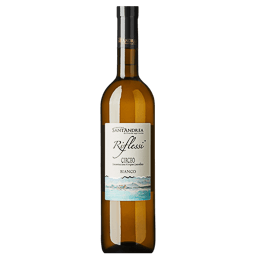 |
Riflessi · Circeo Bianco DOC 2024, Cantina Sant'AndreaCantina Sant'Andrea, Lazio € 7,50 10,00 €/L | |||||||||||||||||||||||||||||||||||||||||||||||||||||||||||||||||||||||||||||||||||||||||||||||||
 |
Riflessi · Spumante Extra Dry IGT (2022), Cantina Sant'AndreaCantina Sant'Andrea, Lazio € 9,95 13,27 €/L | |||||||||||||||||||||||||||||||||||||||||||||||||||||||||||||||||||||||||||||||||||||||||||||||||
 |
Le Botti · Lazio Cabernet IGT 2019, Cantina Sant'AndreaCantina Sant'Andrea, Lazio € 4,99 jetzt € 4,49 5,99 €/L | |||||||||||||||||||||||||||||||||||||||||||||||||||||||||||||||||||||||||||||||||||||||||||||||||
 |
Dune · Circeo Bianco DOC 2019, Cantina Sant'AndreaCantina Sant'Andrea, Lazio € 9,95 13,27 €/L | |||||||||||||||||||||||||||||||||||||||||||||||||||||||||||||||||||||||||||||||||||||||||||||||||
 |
Le Botti · Lazio Merlot IGT 2019, Cantina Sant'AndreaCantina Sant'Andrea, Lazio € 4,99 jetzt € 4,49 5,99 €/L | |||||||||||||||||||||||||||||||||||||||||||||||||||||||||||||||||||||||||||||||||||||||||||||||||
 |
Spumante Moscato Rosa Dolce IGT (2024), Cantina Sant'AndreaCantina Sant'Andrea, Lazio € 10,95 14,60 €/L | |||||||||||||||||||||||||||||||||||||||||||||||||||||||||||||||||||||||||||||||||||||||||||||||||