Story: Kalterersee Classico | Classic
Page: 1/1
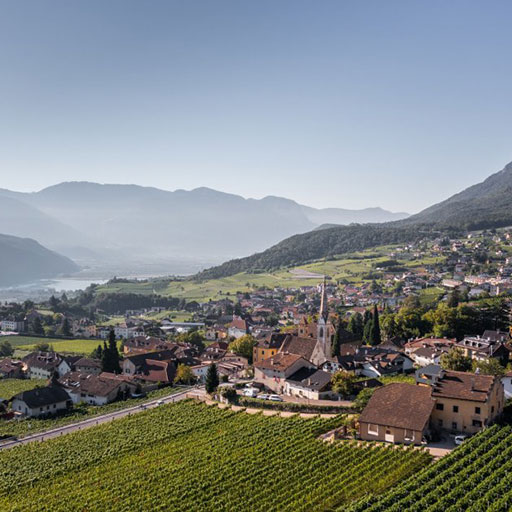
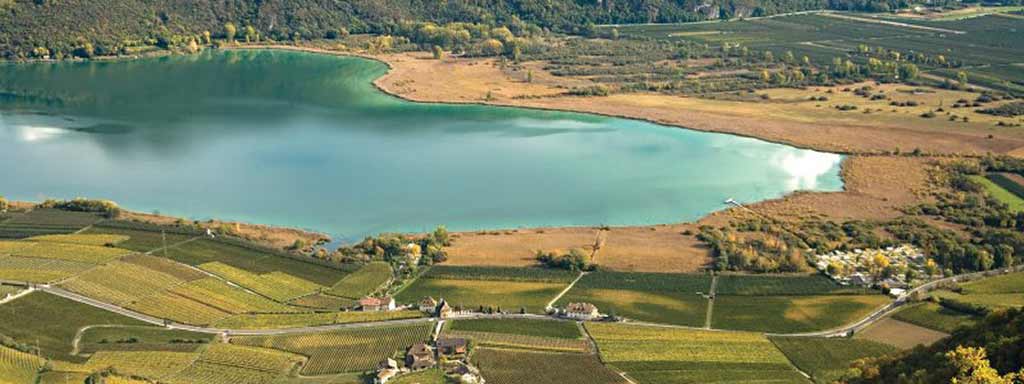
Lake Caldaro (Italian: Lago di Caldaro) is located in South Tyrol's Überetsch region near Caldaro. The Vernatsch grape, from which Lake Caldaro wine is made, ripens around the lake and on the sunny southern slopes. This is a typical South Tyrolean DOC origin. Kalterersee wines must consist of at least 85 percent Vernatsch. The climate, with warm, sunny days and cool nights, promotes pronounced fruit ripeness in the grapes.
Vernatsch (Schiava) grape variety
Vernatsch, known as Schiava in Italian, is an indigenous red wine variety from South Tyrol and gives Kalterersee its mild character. It is typically characterized by floral aromas such as violets and light cherry notes, supported by a subtle bitter almond scent. The result is a fruity, smooth red wine with a light ruby red color. Traditionally, this wine is described as a light, smooth red wine. In the past, Vernatsch was the most widespread variety in South Tyrol. Today, it is cultivated less frequently, but vinified with even greater sophistication.
Classification: Kalterersee, Auslese, and Classico
The Kalterersee DOC has several quality levels: the basic wine, simply called “Kalterersee” or Rosso, and above that, the Auslese. Both are made from at least 85 percent Vernatsch grapes. The Auslese is made from particularly late-harvested, very ripe grapes. In the vineyard, only the ripest berries are selected for the Auslese - the result is a more powerful, aromatic bouquet. The term Classico refers to the traditional vineyards around Kaltern. A “Kalterersee Classico Superiore” is strictly regulated: it comes from these vineyards and must meet higher requirements, such as a minimum alcohol content of 12.0 percent instead of 11.5 percent. In summary, a distinction is made between Kalterersee Auslese from selected grapes and Kalterersee Classico Superiore from the classic vineyards with higher quality standards.
Taste and aromas
Kalterersee wines display a clear, bright ruby red color in the glass. The nose is dominated by red berries such as cherry and raspberry, often complemented by notes of violet and bitter almond. On the palate, they are dry and pleasantly fruity. The tannins are soft and the acidity is fine and balanced. This creates a round, juicy impression. Overall, the result is an uncomplicated, light red wine with typical Mediterranean fruitiness.
Food pairing
Kalterersee pairs well with traditional South Tyrolean dishes. It goes well with meat and sausage dishes as well as cheese, such as roast veal, bacon, and ham. It is also a good accompaniment to starters and antipasti. Thanks to its freshness and smoothness, Kalterersee wines can even be served with white meat, poultry, or light fish dishes. - Gerardo [TS09/25]
Kalterersee, produced according to the strict rules of the Kalterersee Charter - that sounds interesting, you think? You can recognize these special wines by the capsule; it is embossed and printed with the newly created quality seal. It indicates the vintage and notes 'Kalterersee D.O.C.'. Every year, a carefully selected jury will evaluate the submitted wines in a blind tasting and award the quality seal. Or not. These decisions are considered incontestable. A good portion of courage is required to voluntarily submit to the charter.
Describing wine is like describing music: A hopeless endeavor. But what else can we do but try? Well then. According to the provisions of the charter, Kalterersee is bright light to strong ruby red in color, has fruity fresh aromas with notes of cherries and raspberries, bitter almond and violet tones, and a harmoniously mild, dry velvety structure with soft tannins and pleasant acidity. It is stimulating and inviting - a wine for light, uncomplicated, convivial enjoyment - at any time of day and for any occasion.
First mentioned in writing at the end of the Middle Ages, Vernatsch (from Latin vernaculus for 'native') is referred to as Farnatzer or Vernetzer. From the 16th century it plays a central role in South Tyrolean viticulture. Different varieties of the variety are cultivated, such as the gray, large, medium or Tschaggele-Vernatsch. The traditional method, 'the pergola', proves to be the ideal cultivation method. The Vernatsch grape has relatively large berries with thin skin, which makes it interesting as a table grape. Vernatsch plays a dominant role in South Tyrol. Just under 30 percent of the total cultivated area is currently planted with Vernatsch. Vernatsch is also found in individual locations in Trentino and is called Schiava there.
The landscape around Lake Kaltern. Point of reference, pole of rest, symbol of fertility and joie de vivre - and not least namesake for a wine that leaves no one untouched. It has shaped, accompanied and nourished the village and its people for centuries. And in some unobserved moments developed a life of its own, which was first observed with joyful amazement and then with growing concern. But what has grown, over so many years, that remains, even if it seems briefly forgotten. The search for the identity of the wine village of Kaltern am See ended at the turn of the millennium with a clear answer: it is Lake Kaltern. Unmistakable: This is a wine region. So why Kaltern in particular? Answer: Because it is Kaltern on the lake! Because here mountain and lake are neighbors, because here old and new wine architecture cause a sensation, because here white wine and red wine are available. Because here it is 'Just like the south, only in the north!" - wein.kaltern
| Name | Kalterersee Classico | |||||||||||||||||||||||||||||||||||||||||||||||||||||||||||||||||||||||||||||||||||||||||||||||||
| Category | Classic | |||||||||||||||||||||||||||||||||||||||||||||||||||||||||||||||||||||||||||||||||||||||||||||||||
 |
Leuchtenberg · Kalterersee Classico Superiore DOC 2024, Kellerei KalternKellerei Kaltern, South Tyrol € 11,95 15,93 €/L | |||||||||||||||||||||||||||||||||||||||||||||||||||||||||||||||||||||||||||||||||||||||||||||||||
 |
Kalterer See Classico Superiore DOC 2023, Kellerei KalternKellerei Kaltern, South Tyrol € 9,50 12,67 €/L | |||||||||||||||||||||||||||||||||||||||||||||||||||||||||||||||||||||||||||||||||||||||||||||||||
|
Kalterer See Classico Superiore DOC 2024, Kellerei KalternKellerei Kaltern, South Tyrol € 9,50 12,67 €/L | |||||||||||||||||||||||||||||||||||||||||||||||||||||||||||||||||||||||||||||||||||||||||||||||||
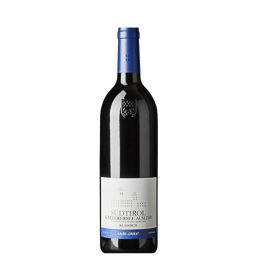 |
Kalterersee Auslese DOC 2022, Muri GriesMuri Gries, South Tyrol € 9,95 13,27 €/L | |||||||||||||||||||||||||||||||||||||||||||||||||||||||||||||||||||||||||||||||||||||||||||||||||
 |
Kalterersee Auslese DOC 2020, Kellerei KurtatschKellerei Kurtatsch, South Tyrol € 9,50 jetzt € 9,19 12,25 €/L | |||||||||||||||||||||||||||||||||||||||||||||||||||||||||||||||||||||||||||||||||||||||||||||||||
|
Leuchtenberg · Kalterersee Classico Superiore DOC 2023, Kellerei KalternKellerei Kaltern, South Tyrol € 11,95 15,93 €/L | |||||||||||||||||||||||||||||||||||||||||||||||||||||||||||||||||||||||||||||||||||||||||||||||||