Story: Dolcetto | Grape variety
Page: 1/2

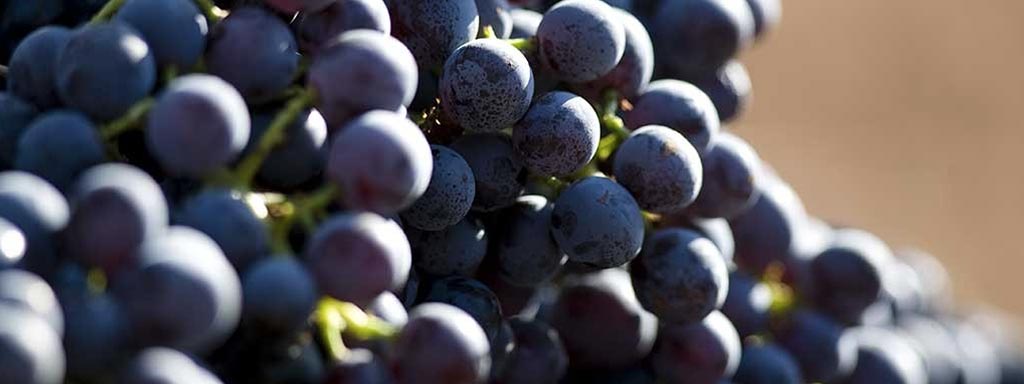
The Dolcetto grape variety is one of the most traditional and characterful varieties in northern Italy. It is mainly grown in Piedmont, particularly in the Langhe, Monferrato and the areas around Acqui and Ovada. Despite its name - “Dolcetto” is derived from the word “dolce” (sweet) - only dry, smooth red wines are made from this grape. The term probably goes back to the Piedmontese dialect word “dosset”, which refers to the preferred cultivation altitude on gentle hilltops. The wines have moderate acidity, medium tannin content and a distinctly fruity profile. They are the ideal accompaniment to many of the region's traditional dishes and are particularly popular when drunk young.
The Dolcetto family - seven expressions of regional diversity
The Dolcetto grape is the basis for seven different DOC wines, all of which bear their very own regional signature. Each of these wines reflects the terroir and culinary tradition of its zone of origin - from the freshness of the Alpine foothills to the warmth of the hills to the south. The Dolcetto d'Acqui, for example, from the area around Acqui Terme, is an intense ruby red with a fruity, slightly bitter aftertaste. It is an excellent accompaniment to hearty dishes such as cured meats or hearty pasta dishes. Dolcetto d'Alba, from the area around Alba, is considered the best-known and proudest representative of the family. With its aromatic character and its connection to regional cuisine - from beef tartare to braised pig's trotters - it is a prime example of Piedmontese wine culture.
Variety with origin - Dolcetto d'Asti and Langhe Monregalesi
In the Astigiano, the hills around Asti, Dolcetto d'Asti produces elegant and balanced wines. Its growing zone benefits from a special microclimate, which is ideal for ripening the sensitive vines. With longer storage and an alcohol content of at least 12% by volume, the wine can be described as “Superiore” - a label that underlines its qualitative maturity. The Dolcetto delle Langhe Monregalesi, which comes from the historic Langhe region, is similarly characterized. This unique landscape with narrow, sharply cut hills and deeply incised valleys gives the wine structure and finesse. Here too, the terroir is decisive for the profile - mineral, earthy, with a typical dark fruit.
Dolcetto di Diano d'Alba - an expression of regional wine culture
Dolcetto di Diano d'Alba occupies a special place in the Dolcetto family, growing in the municipality of the same name on soils full of character. With its bright ruby red color, which fades into purple, and its lively structure, it is one of the finer and more elegant representatives. It unfolds its full potential with roast veal or pork and fine poultry. The “Superiore” version requires at least one year of ageing and has an alcohol content of at least 12.5% - a sign of a certain level of sophistication and above-average quality. The Dolcetto di Diano d'Alba thus impressively demonstrates how precisely origin and craftsmanship can harmonize with one another.
The Dolcetto wines, whether young or Superiore, are an expression of pure Piedmontese wine culture - down-to-earth, charming and deeply rooted in the culinary heritage of this extraordinary region. - Gerardo [TS05/25]
Since Dolcetto ripens four weeks earlier than the majestic Nebbiolo, it offers winegrowers the opportunity to use less favorable sites and thus improve their income. Thus, in the valuable areas of Barolo and Barbaresco, Dolcetto is hardly ever planted in southern exposure. Winemakers in the Dolcetto d'Alba DOC area, where many of the finest Dolcetto wines grow, agree that the variety prefers the characteristic white marl on the right bank of the Tanaro River and cannot produce premium results on heavy soils." - The Oxford Wine Dictionary
| Name | Dolcetto | |||||||||||||||||||||||||||||||||||||||||||||||||||||||||||||||||||||||||||||||||||||||||||||||||
| Category | Grape Variety | |||||||||||||||||||||||||||||||||||||||||||||||||||||||||||||||||||||||||||||||||||||||||||||||||
 |
Dolcetto d'Alba DOC 2019, Renato CorinoRenato Corino, Piedmont € 10,50 14,00 €/L | |||||||||||||||||||||||||||||||||||||||||||||||||||||||||||||||||||||||||||||||||||||||||||||||||
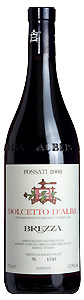 |
Dolcetto d'Alba DOC 2020 (Bio), Giacomo Brezza & FigliGiacomo Brezza & Figli, Piedmont € 11,95 jetzt € 9,99 13,32 €/L | |||||||||||||||||||||||||||||||||||||||||||||||||||||||||||||||||||||||||||||||||||||||||||||||||
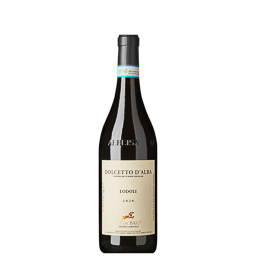 |
Lodoli · Dolcetto d'Alba DOC 2020, Ca' del BaioCa' del Baio, Piedmont € 9,95 jetzt € 8,99 11,99 €/L | |||||||||||||||||||||||||||||||||||||||||||||||||||||||||||||||||||||||||||||||||||||||||||||||||