Story: Basilicata | Wine Region
Page: 1/5
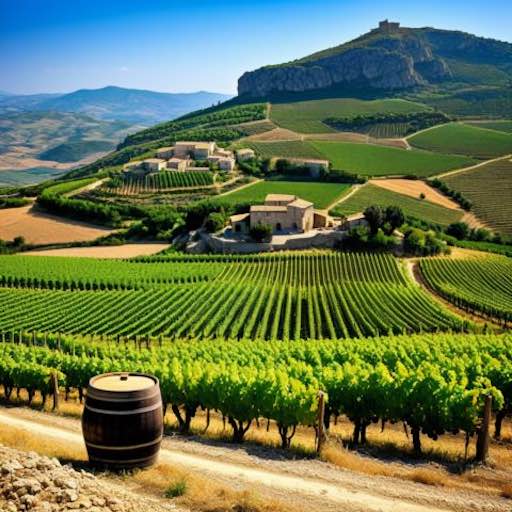
Basilicata, an often overlooked region in the deep south of Italy, has a winegrowing tradition that is as old as it is fascinating. As far back as ancient times, Greek settlers and Phoenicians planted vines on the coast and on the slopes of Monte Vulture, an extinct volcano. In Roman times, Lucanian wine was highly prized; later, in the Middle Ages, it was mainly monasteries that kept the vineyards alive. With the advent of modern viticultural techniques in the 1980s and 1990s, a revival began - not primarily in terms of quantity, but in terms of quality: winemakers invested more in terroir, site selection, and aging.
Geographical features, climate, and vineyards
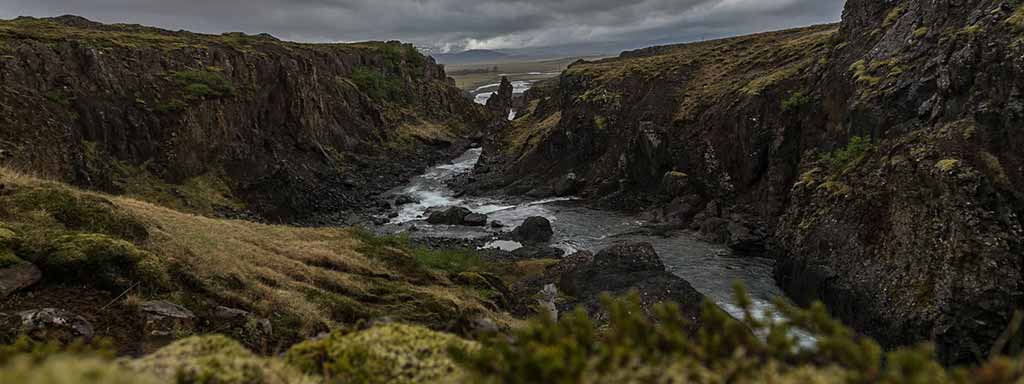
Geographically, Basilicata is characterized by rugged, mountainous terrain: almost half of the vineyards are located in mountainous areas, another 45% in hills, and only a small portion in plains. Monte Vulture is particularly striking - its volcanic rock, ash, and tuff soils give the grapes an unmistakable minerality. The altitudes often reach 600 meters or more, for example in Val d'Agri, where the temperature differences between day and night are considerable, which delays ripening and adds structure to the wines. Climatically, the region combines Mediterranean and continental influences: in the higher, volcanic zones, it is relatively cool with significant day-night variability, while in lower or flatter areas, the climate is warmer and drier.
Commonly grown grape varieties and why
Red grape varieties clearly dominate in Basilicata, especially the indigenous Aglianico, which is the mainstay of many DOC wines. Aglianico thrives here because it ripens late and benefits from the mineral-rich volcanic soils of Monte Vulture. In addition to Aglianico, other red varieties such as Sangiovese, Montepulciano, Merlot, Cabernet Sauvignon, and Malvasia Nera can also be found. Another interesting red variety is Aglianicone, genetically related to Aglianico. White wines also play a role, albeit a smaller one: Malvasia Bianca di Basilicata is a typical local white grape variety with a perfumed aroma, used in DOC wines such as Matera or Terre dell'Alta Val d'Agri.
Noteworthy wines or wine specialties
The most famous wine of Basilicata is undoubtedly Aglianico del Vulture, a strong, tannin-rich red wine cultivated on volcanic slopes. The Superiore version is particularly prestigious, as it is the only DOCG classified in the region. Basilicata also produces other DOC wines, such as those from Terre dell'Alta Val d'Agri, which produce red and rosé versions. In parts of the region, sparkling or sweeter white wines are even produced, for example from Malvasia, and there are regional Moscato types. - Gerardo [TS12/25]
| Name | Basilicata | |||||||||||||||||||||||||||||||||||||||||||||||||||||||||||||||||||||||||||||||||||||||||||||||||
| Category | Wine Region | |||||||||||||||||||||||||||||||||||||||||||||||||||||||||||||||||||||||||||||||||||||||||||||||||
| Vineyard Area (Hectare) | 11.000 | |||||||||||||||||||||||||||||||||||||||||||||||||||||||||||||||||||||||||||||||||||||||||||||||||
| Grape Varieties | Aglianico, Bombino Nero, Cabernet, Montepulciano, Greco, Bombino Bianco, Fiano, Malvasia | |||||||||||||||||||||||||||||||||||||||||||||||||||||||||||||||||||||||||||||||||||||||||||||||||
| Capital | Potenza | |||||||||||||||||||||||||||||||||||||||||||||||||||||||||||||||||||||||||||||||||||||||||||||||||
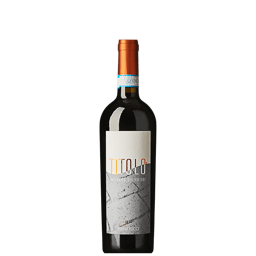 |
Titolo · Aglianico del Vulture DOC 2020 (Bio), Elena FucciElena Fucci, Basilicata € 35,95 47,93 €/L | |||||||||||||||||||||||||||||||||||||||||||||||||||||||||||||||||||||||||||||||||||||||||||||||||