
 Chardonnay | Grape variety
|
Chardonnay | Grape variety
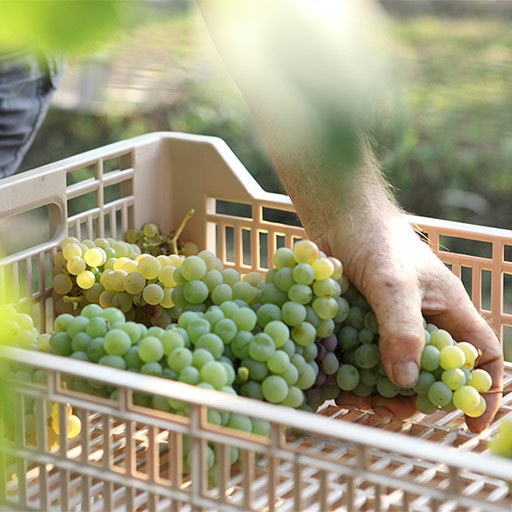
Chardonnay is the world's most popular white wine - and for good reason. The grape variety with the green-skinned grapes adapts effortlessly to different climate zones and produces a remarkable range of wine styles. From a fresh, mineral style to a full-bodied, wood-accented Chardonnay, anything is possible. This versatility not only makes it attractive for winegrowers, but also ensures that almost every wine lover can find a Chardonnay to suit their taste.
Chardonnay is a grateful variety for winegrowers: it is robust in cultivation and easy to handle in the cellar. It also offers plenty of creative scope. One and the same grape can produce both a light, elegant wine and a powerful, buttery wine with intense roasted aromas. How the wine tastes in the end depends heavily on the terroir and the chosen vinification method. In general, Chardonnay is a dry wine with a medium to full body, moderate acidity and medium to high alcohol content. In cooler growing regions, aromas of green apple, lemon or pear dominate. In warmer regions, more exotic notes such as papaya, mango or pineapple come to the fore.
A distinctive feature of many Chardonnays is their ageing in oak barrels. This allows the wine to develop additional aromas of vanilla, caramel or roasted nuts. Many winemakers also use malolactic fermentation, in which the fresh malic acid in the wine is converted into softer lactic acid. The result is a rounder, creamier wine with a characteristically “buttery” texture - a style that is particularly popular in California and Australia.
As diverse as Chardonnay is, one thing remains constant: its reputation as a white wine with great potential - both for uncomplicated drinking pleasure and for sophisticated, storable top wines. - Gerardo [TS05/25]


Chardonnay | Grape variety | Buy at Gerardo
Italy is not only home to numerous indigenous grape varieties, but has also given international varieties such as Chardonnay a permanent home. Originally from Burgundy in France, Chardonnay has long since established itself in Italy, where it has a remarkably independent profile. The adaptability of this grape to different climatic conditions and soils enables winegrowers to develop very different styles - from fresh and mineral to powerful and wood-accented.
Chardonnay has proven itself particularly well in the regions of Trentino-Alto Adige, Friuli-Venezia Giulia and Piedmont. In Trentino-Alto Adige, the alpine climate produces fresh, elegant wines that are often characterized by aromas of green apples, citrus fruits and fine herbs. Friuli, which is known for its distinctive white wine culture, produces complex, aromatic Chardonnays with tropical fruit notes, floral hints and well-integrated acidity. Piedmont, on the other hand, stands for more powerful interpretations with a noticeable structure, often accompanied by fine wood notes, butter and nutty nuances - an indication of the use of oak barrels and malolactic fermentation.
The style of Italian Chardonnay varies greatly, which makes it particularly versatile. Some winemakers bottle it unfiltered and natural in order to preserve its originality, while others rely on ageing in barriques and longer maturation periods to promote depth and complexity. This variety makes it possible to find the right Chardonnay for every occasion - whether as a fresh, summery accompaniment to light dishes or as a structured, full-bodied wine with rich dishes.
Today, Italian Chardonnay stands for quality, character and variety. It offers an exciting alternative to classic Italian white wines such as Vermentino, Pinot Grigio or Soave - and impresses with its independent expression. Anyone who gets involved with these wines will be rewarded with elegance, complexity and an aromatic journey through Italy's terroirs. - Gerardo [TS05/25]