Home Browse: Previous (1) Shop: Chianti Classico, Classic
Reading: 6 minutes | Listen to podcast: ()
Story: Chianti Classico | Classic
Page: 2/2

1. how old is Chianti Classico?
Chianti Classico has a centuries-old history and dates back to 1716, when the Chianti region was first designated as an official wine-growing region by Grand Duke Cosimo III de' Medici. This makes it one of the oldest defined wine regions in the world.
2. What grape varieties does Chianti Classico consist of?
Traditionally, Chianti Classico consisted of a blend of red and white grape varieties, including Sangiovese, Canaiolo and the white Trebbiano variety. Today, the use of white grape varieties is no longer permitted and a Chianti Classico must contain at least 80% Sangiovese. Smaller proportions of Canaiolo, Colorino or international varieties such as Cabernet Sauvignon and Merlot are permitted.
3. Who invented the modern Chianti Classico?
Marchese Bettino Ricasoli, a key figure of the 19th century, is considered the founder of modern Chianti Classico. He developed one of the first recipes for Chianti, which shaped the current structure with a Sangiovese-based wine and was established in 1872.
4. when was the Chianti Classico Riserva introduced?
Chianti Classico Riserva is a premium variety that was introduced in the early 1920s. Riserva wines are made from grapes that come from particularly high-quality vintages and mature longer than the classic Chianti Classico.
5. When was the Chianti Classico Gran Selezione invented?
Gran Selezione is the youngest quality level in Chianti Classico and was only introduced in 2014. It is considered the crowning glory of Chianti Classico and stands for wines that come exclusively from the best grapes from a single vineyard and are aged for at least 30 months.
6. What does the Gallo Nero logo on the bottle mean?
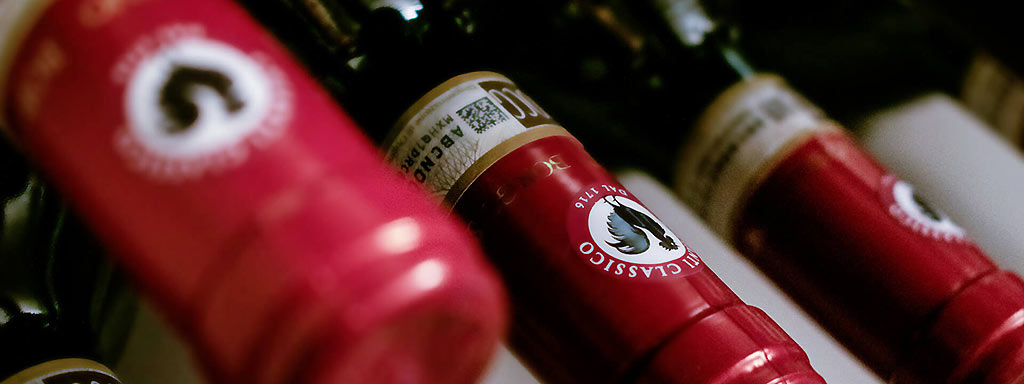
The Gallo Nero (black rooster) is the symbol of the Chianti Classico Consortium, reserved for Chianti Classico wines. It stands for compliance with strict quality standards and is a sign of the origin and authenticity of the wine.
7. Why are there Chianti Classico and Chianti DOCG?
Chianti Classico and Chianti DOCG are two different designations: Chianti Classico comes from the historic core area between Florence and Siena and meets higher quality standards. Chianti DOCG covers a larger region and allows for a greater variety of styles and grape varieties.
8. What distinguishes Chianti Classico from other Tuscan wines?
Chianti Classico is characterized by its freshness, strong acidity and aromas of cherries, spices and herbs. The specific terroir and the high proportion of Sangiovese produce a wine with a clear structure and distinctive character that clearly stands out from other Tuscan wines such as Brunello di Montalcino.
9. How long can a Chianti Classico be stored?
A simple Chianti Classico can be stored for a good five to ten years, with the Riserva and Gran Selezione variants often having a shelf life of up to 15 or even 20 years. However, the exact storage period depends on the vintage and the quality of the wine in question.
10. what food goes well with a Chianti Classico?
Chianti Classico is a versatile food companion and goes particularly well with classic Italian dishes such as pasta with tomato sauce, risotto, game dishes and mature cheese. Its acidity and tannins harmonize perfectly with meat dishes, especially beef and lamb.
11. what is the ideal drinking age for a Chianti Classico?
A young Chianti Classico is often lively and fresh, while the Riserva and Gran Selezione gain depth and complexity after a few years of ageing. Simple Chianti Classico wines usually reach their optimum drinking window after 2-4 years, while Riserva and Gran Selezione wines can reach their peak after 5-10 years or longer. - Gerardo [TS10/24]
 © www.chianticlassico.com
| Name | Chianti Classico | |||||||||||||||||||||||||||||||||||||||||||||||||||||||||||||||||||||||||||||||||||||||||||||||||
| Category | Classic | |||||||||||||||||||||||||||||||||||||||||||||||||||||||||||||||||||||||||||||||||||||||||||||||||
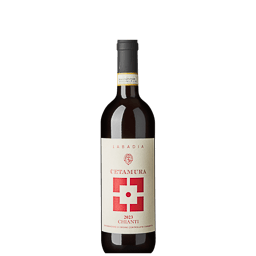 |
Cetamura · Chianti DOCG 2020, Badia a ColtibuonoBadia a Coltibuono, Tuscany € 9,95 jetzt € 6,99 9,32 €/L | |||||||||||||||||||||||||||||||||||||||||||||||||||||||||||||||||||||||||||||||||||||||||||||||||
 |
Quercesola · Chianti Classico DOCG 2020, Castellare di CastellinaCastellare di Castellina, Tuscany € 15,95 21,27 €/L | |||||||||||||||||||||||||||||||||||||||||||||||||||||||||||||||||||||||||||||||||||||||||||||||||
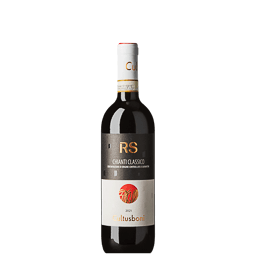 |
R.S. · Chianti Classico DOCG 2021, Badia a ColtibuonoBadia a Coltibuono, Tuscany € 12,95 jetzt € 11,99 15,99 €/L | |||||||||||||||||||||||||||||||||||||||||||||||||||||||||||||||||||||||||||||||||||||||||||||||||
 |
Vigna del Sorbo · Chianti Classico Gran Selezione DOCG 2017 (Bio), FontodiFontodi, Tuscany € 76,90 102,53 €/L | |||||||||||||||||||||||||||||||||||||||||||||||||||||||||||||||||||||||||||||||||||||||||||||||||
 |
Chianti Classico Riserva DOCG 2018, Castellare di CastellinaCastellare di Castellina, Tuscany € 26,95 35,93 €/L | |||||||||||||||||||||||||||||||||||||||||||||||||||||||||||||||||||||||||||||||||||||||||||||||||
 |
Chianti Classico DOCG 2024, Castellare di CastellinaCastellare di Castellina, Tuscany € 16,95 22,60 €/L | |||||||||||||||||||||||||||||||||||||||||||||||||||||||||||||||||||||||||||||||||||||||||||||||||