Story: St. Magdalener | Classic
Page: 1/1
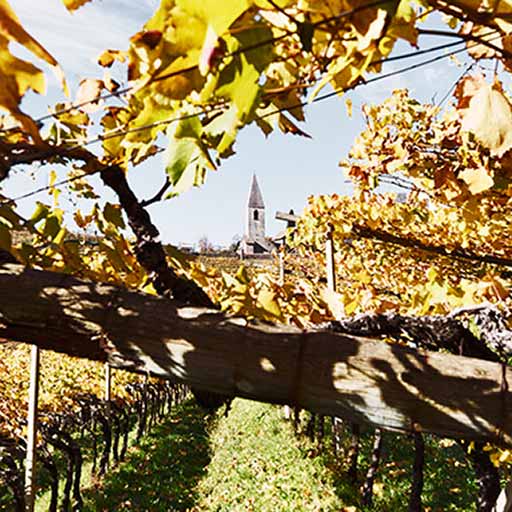
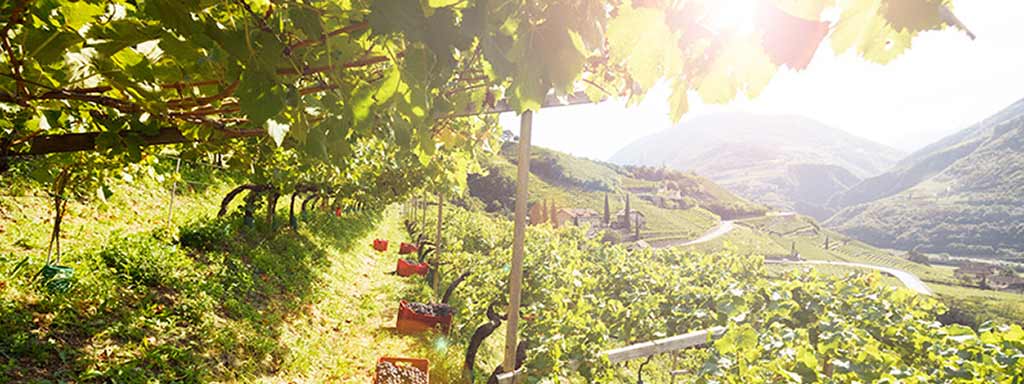
St. Magdalener (Italian: Santa Maddalena) originates from the hills north of Bolzano in South Tyrol. It is named after the district of St. Magdalena, one of the most traditional wine-growing areas in the region. The vineyards are located between 250 and 500 meters above sea level on sunny slopes.
The climate in this area is characterized by Mediterranean influences, warm days, and cool nights. These temperature differences ensure that the grapes ripen slowly and evenly. The soils consist mainly of weathered porphyry rock, which stores heat and gives the wine its mineral finesse.
Grape varieties and cuvée
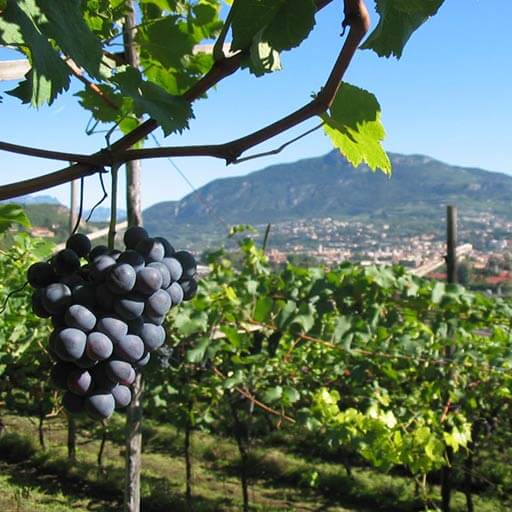
St. Magdalener is a typical cuvée wine from South Tyrol. The main component is the Vernatsch grape (also known as Schiava), which must make up at least 85 percent of the blend. It is traditionally supplemented by 5-10 percent Lagrein, an indigenous grape variety with a darker color and a more robust structure.
This combination results in a wine that remains light and fruity, but gains body and depth from the Lagrein. Whereas in the past both varieties were planted together in the vineyard and harvested together, today they are usually vinified separately and then blended to achieve a more precise style.
History and classification
The roots of St. Magdalener date back to the Middle Ages. Early on, it was considered one of the most distinctive wines made from Vernatsch grapes. Its history has been officially documented for over a hundred years. Today, the wine bears the DOC (Denominazione di Origine Controllata) designation of origin, which guarantees strict requirements in terms of growing region, grape varieties, and production.
St. Magdalener Classico is particularly highly regarded. Only wines whose grapes come from the traditional core areas of St. Magdalener, St. Justina, Rentsch, Leitach, and St. Peter are allowed to bear this designation. The addition of “Classico” stands for a continuous tradition of quality and for vineyards with particularly favorable conditions.
Character and style
St. Magdalener has a ruby to garnet red color in the glass, which turns brick red as it matures. It is dry but always has a pleasant softness. The bouquet is characterized by delicate fruit notes of cherries, raspberries, and red berries, accompanied by a subtle almond tone typical of Vernatsch. On the palate, it is smooth, harmonious, and balanced in terms of acidity and tannins. With age, it gains floral elegance and complexity.
Aging and storage
Traditionally, St. Magdalener is aged in large wooden barrels, less commonly in stainless steel or small barriques. This allows it to retain its typical freshness and fruitiness while developing a fine structure. The wine is generally best enjoyed young, but can also be stored for several years. With increasing maturity, the almond-like notes and balance become more pronounced.
Food pairing
Thanks to its elegance and light structure, St. Magdalener is a versatile wine to accompany food. It goes perfectly with typical South Tyrolean specialties such as bacon, dumplings, Schlutzkrapfen (ravioli), or homemade pasta. It also pairs well with white meat, poultry, stews, or medium-strength cheese. Its digestibility also makes it a suitable everyday wine that can be enjoyed on its own.
Significance and market position
St. Magdalener occupies a special position among Vernatsch wines. It is considered the highest quality and most complex expression of this grape variety and is therefore also known as the “Queen of Vernatsch.” Its popularity extends beyond South Tyrol: it is appreciated both in the Italian domestic market and in German-speaking countries, where it has many fans due to its lightness and finesse.
Conclusion
St. Magdalener is a traditional red wine that elegantly reflects South Tyrol's wine culture. It combines the lightness of Vernatsch with the depth of Lagrein and impresses with its versatility. Whether as an accompaniment to regional cuisine, as a finely structured everyday wine, or as an example of Alpine wine tradition, St. Magdalener remains a timeless classic that delights connoisseurs and enthusiasts alike. - Gerardo [TS10/25]
"For me, Vernatsch is a great grape variety that receives too little attention. It is an excellent food companion - but it just does not fit the fashion of dark, heavy red wines." - Graf Franz Pfeil
"In fact, however, only 30% of South Tyrolean wine comes from a single grape variety: the Vernatsch (ital: Schiava). It is spread over almost the entire cultivation area and yields a velvety, light red wine that enjoys great popularity in South Tyrol as a classic 'Törggelwein' and abroad as an inexpensive 'Zechwein'. Depending on the origin or Cuvee, it also comes on the market as the so-called St. Magdalener." - Dr. Jens Priewe
| Name | St. Magdalener | |||||||||||||||||||||||||||||||||||||||||||||||||||||||||||||||||||||||||||||||||||||||||||||||||
| Category | Classic | |||||||||||||||||||||||||||||||||||||||||||||||||||||||||||||||||||||||||||||||||||||||||||||||||
 |
Huck am Bach · St. Magdalener Classico DOC 2024, Kellerei BozenKellerei Bozen, South Tyrol € 12,50 16,67 €/L | |||||||||||||||||||||||||||||||||||||||||||||||||||||||||||||||||||||||||||||||||||||||||||||||||
 |
Moar · St. Magdalener Classico MAGNUM DOC 2018 (1er Geschenkbox), Kellerei BozenKellerei Bozen, South Tyrol € 35,00 23,33 €/L | |||||||||||||||||||||||||||||||||||||||||||||||||||||||||||||||||||||||||||||||||||||||||||||||||
 |
Rieser · St. Magdalener DOC 2024, Kellerei Nals-MargreidKellerei Nals-Margreid, South Tyrol € 11,95 15,93 €/L | |||||||||||||||||||||||||||||||||||||||||||||||||||||||||||||||||||||||||||||||||||||||||||||||||
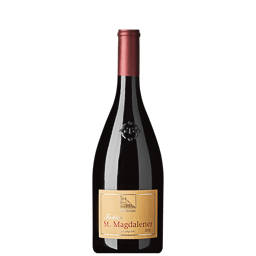 |
Tradition · St. Magdalener DOC 2022, Kellerei TerlanKellerei Terlan, South Tyrol € 13,95 18,60 €/L | |||||||||||||||||||||||||||||||||||||||||||||||||||||||||||||||||||||||||||||||||||||||||||||||||
 |
St. Magdalener Classico DOC 2024, Muri GriesMuri Gries, South Tyrol € 10,50 14,00 €/L | |||||||||||||||||||||||||||||||||||||||||||||||||||||||||||||||||||||||||||||||||||||||||||||||||
|
Tradition · St. Magdalener DOC 2023, Kellerei TerlanKellerei Terlan, South Tyrol € 13,95 jetzt € 12,99 17,32 €/L | |||||||||||||||||||||||||||||||||||||||||||||||||||||||||||||||||||||||||||||||||||||||||||||||||