Story: Friulano | Grape variety
Page: 1/1
Origin and history of the name
The origins of Friulano are not entirely clear. Some historians believe that the grape variety was introduced to Friuli from the Veneto region in the 17th century. Other theories suggest that Friulano is related to the French grape variety Sauvignon Vert, known in France as Sauvignonasse. Regardless of its origin, however, Friulano is deeply rooted in the wine-growing history of Friuli.
The name ‘Tocai Friulano’ was commonly used in Italy for many years. However, the similarity of the name to the Hungarian Tokaji led to legal disputes. In 2007, the European Court of Justice ruled that the term ‘Tocai’ could no longer be used in relation to Italian wines in order to avoid confusion with Hungarian Tokaji wine. Since then, the grape variety has been officially known as Friulano. Despite this name change, it is still often referred to as ‘Tocai’ in the region, especially by older winegrowers and wine lovers.
Cultivation and winemaking
Friulano thrives best in the hills of Friuli, particularly in the DOC areas of Friuli Colli Orientali and Collio. The soils in this region, rich in marl and sandstone, offer ideal conditions for growing this grape variety. Winegrowers rely on sustainable cultivation methods to preserve the natural aromas of the grapes.
During winemaking, care is often taken to ensure gentle processing in order to preserve the freshness and fruitiness of the wine. Many winemakers opt for fermentation in stainless steel tanks to preserve the purity of the aromas. Some wines are also aged on the lees to develop additional complexity and structure.
Taste and culinary accompaniment
Friulano wines are characterized by their freshness, elegance, and versatility. They have a pleasant acidity and a balanced ratio between fruit and minerality. The typical almond aftertaste gives the wine a special note.
These wines pair excellently with a variety of dishes. They harmonize particularly well with light appetizers, fish dishes, seafood, and fresh salads. Friulano is also an excellent accompaniment to dishes with white meat or mild cheeses. Its versatility makes it an ideal all-rounder for various occasions and foods.
Conclusion
Friulano is a grape variety that impresses not only with its taste qualities, but also with its history and cultural significance in the Friuli-Venezia Giulia region. Despite the name change, Friulano remains a symbol of the region's winegrowing tradition. Its versatility and elegance make it a wine that delights connoisseurs and novices alike. Anyone wishing to discover the wines of Friuli should pay special attention to Friulano - a wine that captures the soul of the region in every bottle. - Gerardo [TS10/25]
"The grape variety with a focus on Friuli is actually called Tocai Friulano there. However, after an intervention by the Tokaji region in Hungary, the prefix Tocai was banned by an EU decree to avoid misunderstandings. Today, the variety is simply called Friulano." - Falstaff
| Name | Friulano | |||||||||||||||||||||||||||||||||||||||||||||||||||||||||||||||||||||||||||||||||||||||||||||||||
| Category | Grape Variety | |||||||||||||||||||||||||||||||||||||||||||||||||||||||||||||||||||||||||||||||||||||||||||||||||
| Synonyms | Cinquien, Blanc Doux, Istarski Tokay, Furlanski Tokaj, Sauvignonasse, Sauvignonazz, Sauvignon De La Correze, Sauvignon A Gros Grains, Sauvignon Gros, Tocai Bianco, Tocai Italico, Tocai Italiano, Tocai Friulano, Tocay Fruilano, Sauvignon Vert A Besson | |||||||||||||||||||||||||||||||||||||||||||||||||||||||||||||||||||||||||||||||||||||||||||||||||
 |
Friulano DOC 2020, SturmSturm, Friuli € 17,50 23,33 €/L | |||||||||||||||||||||||||||||||||||||||||||||||||||||||||||||||||||||||||||||||||||||||||||||||||
 |
Bianco di Custoza DOC 2025, CampagnolaCampagnola, Veneto € 5,95 7,93 €/L | |||||||||||||||||||||||||||||||||||||||||||||||||||||||||||||||||||||||||||||||||||||||||||||||||
 |
La Vila · Friulano Friuli Isonzo DOC 2021, Lis NerisLis Neris, Friuli € 25,95 34,60 €/L | |||||||||||||||||||||||||||||||||||||||||||||||||||||||||||||||||||||||||||||||||||||||||||||||||
 |
Friulano Friuli Grave DOC 2024, Vigneti PittaroVigneti Pittaro, Friuli € 7,95 jetzt € 6,99 9,32 €/L | |||||||||||||||||||||||||||||||||||||||||||||||||||||||||||||||||||||||||||||||||||||||||||||||||
|
Friulano DOC 2024, SturmSturm, Friuli € 17,50 23,33 €/L | |||||||||||||||||||||||||||||||||||||||||||||||||||||||||||||||||||||||||||||||||||||||||||||||||
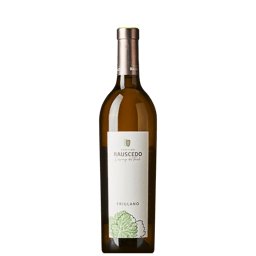 |
Friulano Friuli DOC 2021, Cantina RauscedoCantina Rauscedo, Friuli € 7,95 10,60 €/L | |||||||||||||||||||||||||||||||||||||||||||||||||||||||||||||||||||||||||||||||||||||||||||||||||