Home Browse: Next (2) Shop: Friuli-Venezia-Giulia, Wine region
Reading: 6 minutes | Listen to podcast: ()
Story: Friuli-Venezia-Giulia | Wine region
Page: 1/5
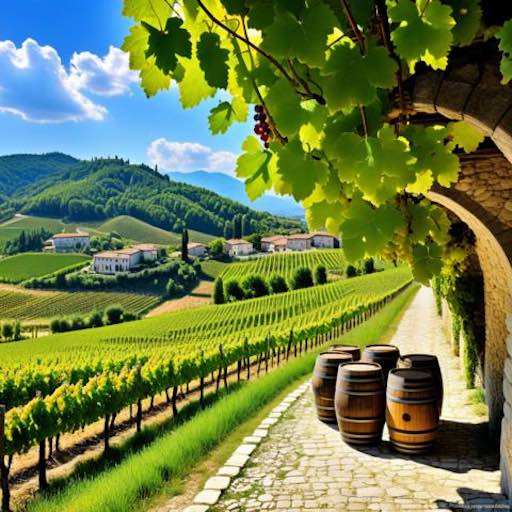
Friuli—often used synonymously for the wine region of Friuli-Venezia Giulia—is located in the far northeast of Italy, on the border with Austria, Slovenia, and the Adriatic Sea. As early as ancient times, long before Roman domination, Greeks and Celts cultivated vines in this area, and later the Romans and medieval monasteries continued viticulture. For centuries, viticulture in Friuli was marked by changing political rulers and economic fluctuations, and simple mass-produced wines and cooperative production often dominated. It was only with the advent of innovative cellar techniques in the 1960s and 1970s—such as cooled fermentation—that a profound change began. Winemakers such as the pioneer Livio Felluga played a decisive role in making Friuli one of Italy's most respected regions for white wine today.
Geographical features, climate, and wine-growing areas
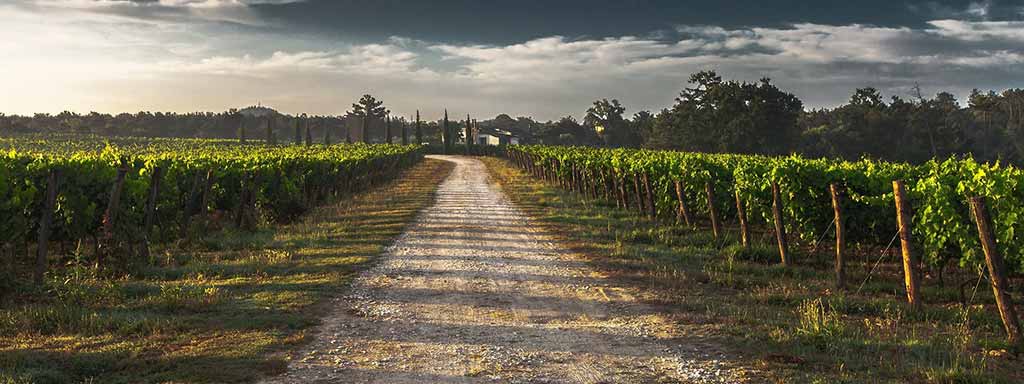
The landscape of Friuli is very diverse: in the north, the Alps and Prealps extend into the region, but wine growing is largely concentrated in the southern areas—on hills, moraines, alluvial plains, and coastal areas. The soils vary greatly depending on the area: mineral-rich limestone and sandstone mixtures can be found on the hills, gravelly, scree-covered alluvial soils on the plains, and sandy, calcareous soils along the coast. The climate in Friuli combines Mediterranean influences with continental elements—especially in the transitional and hilly areas, there are pronounced day-night temperature fluctuations, which have a beneficial effect on grape quality: the vines ripen slowly and develop intense aromas with a simultaneous acid-emphasized freshness. The region's total vineyard area covers around 23,000 hectares, with around 38% of the vineyards located in plains, 19% in hilly areas, and 43% in mountainous or pre-Alpine areas.
Commonly grown grape varieties
Today, white wine dominates in Friuli - a change that has been driven largely by the success of international and indigenous white wine varieties. While red wines - such as Merlot - once played the leading role, varieties such as Friulano (formerly “Tocai Friulano”) have taken center stage since the 1970s. International varieties such as Pinot Grigio, Sauvignon Blanc, Chardonnay, and Ribolla Gialla are also frequently cultivated and thrive particularly well thanks to the climatic conditions. However, red and indigenous varieties also play a role: Refosco, Pignolo, Schioppettino, and Terrano are part of the winegrowing tradition and are experiencing a renaissance in good vintages and with careful vinification. The diversity of grape varieties—both international and local—allows winemakers to produce very different styles of wine, from fresh white wines and mineral terroir wines to distinctive red wines.
Noteworthy wines or wine specialties
Friuli has made a name for itself primarily with elegant, mineral white wines. The Collio growing region in particular is considered one of the best white wine regions in Italy—Sauvignon Blanc, Chardonnay, and Ribolla Gialla are among the well-known varieties from this area. The hills of Colli Orientali del Friuli are also known for high-quality white wines and, increasingly, red wines: very successful wines are produced there, often from local varieties or single-varietal vinifications. In addition to the “classic” dry white wines, Friuli also has smaller but special specialties to offer: there are sweet and aromatic wines from white varieties such as Picolit or Verduzzo, as well as sparkling or frizzante wines - for example, from the indigenous Ribolla Gialla - which are becoming increasingly popular with wine lovers. - Gerardo [TS12/25]
| Name | Friuli-Venezia-Giulia | |||||||||||||||||||||||||||||||||||||||||||||||||||||||||||||||||||||||||||||||||||||||||||||||||
| Category | Wine Region | |||||||||||||||||||||||||||||||||||||||||||||||||||||||||||||||||||||||||||||||||||||||||||||||||
| Vineyard Area (Hectare) | 24.000 | |||||||||||||||||||||||||||||||||||||||||||||||||||||||||||||||||||||||||||||||||||||||||||||||||
| Grape Varieties | Cabernet, Merlot, Pignolo, Pinot Nero, Refosco, Pinot Grigio, Chardonnay, Sauvignon, Ribolla, Friulano | |||||||||||||||||||||||||||||||||||||||||||||||||||||||||||||||||||||||||||||||||||||||||||||||||
| Capital | Udine | |||||||||||||||||||||||||||||||||||||||||||||||||||||||||||||||||||||||||||||||||||||||||||||||||
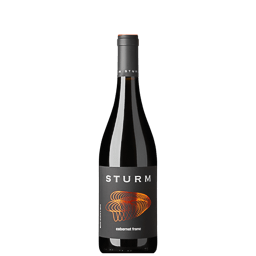 |
Cabernet-Franc DOC 2020, SturmSturm, Friuli € 24,95 jetzt € 23,99 31,99 €/L | |||||||||||||||||||||||||||||||||||||||||||||||||||||||||||||||||||||||||||||||||||||||||||||||||
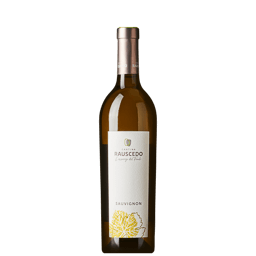 |
Sauvignon Friuli DOC 2024, Cantina RauscedoCantina Rauscedo, Friuli € 7,95 10,60 €/L | |||||||||||||||||||||||||||||||||||||||||||||||||||||||||||||||||||||||||||||||||||||||||||||||||
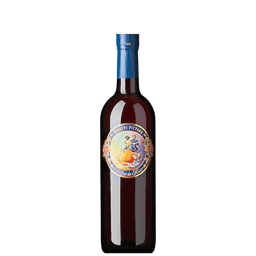 |
Valzer in Rosa Moscato Rosa IGT 2023, Vigneti PittaroVigneti Pittaro, Friuli € 10,95 14,60 €/L | |||||||||||||||||||||||||||||||||||||||||||||||||||||||||||||||||||||||||||||||||||||||||||||||||
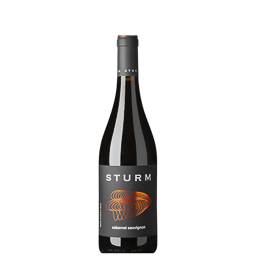 |
Cabernet-Sauvignon DOC 2020, SturmSturm, Friuli € 28,95 38,60 €/L | |||||||||||||||||||||||||||||||||||||||||||||||||||||||||||||||||||||||||||||||||||||||||||||||||
 |
Friulano Friuli Grave DOC 2024, Vigneti PittaroVigneti Pittaro, Friuli € 7,95 jetzt € 6,99 9,32 €/L | |||||||||||||||||||||||||||||||||||||||||||||||||||||||||||||||||||||||||||||||||||||||||||||||||
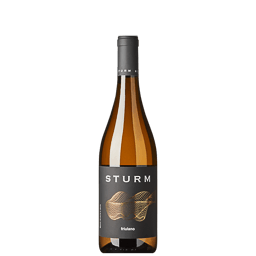 |
Friulano DOC 2020, SturmSturm, Friuli € 17,50 23,33 €/L | |||||||||||||||||||||||||||||||||||||||||||||||||||||||||||||||||||||||||||||||||||||||||||||||||