Story: Liguria | Wine region
Page: 1/5

Liguria, that narrow coastal strip in northwestern Italy, is one of the smallest but most spectacular wine regions in the country. Winegrowing there has a tradition dating back thousands of years—even in Greek and Roman times, chroniclers mentioned the wine from the Riviera. Over the centuries, generations of winegrowers created cultural landscapes with countless terraces and stone walls that still characterize the region today. Despite modern changes, Liguria has remained largely faithful to traditional, largely unmechanized winegrowing methods.
Geographical features, climate, and vineyards
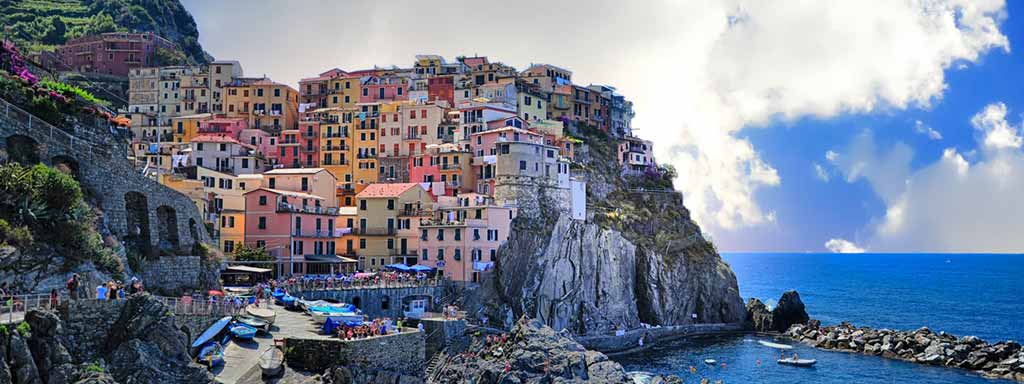
The landscape of Liguria is characterized by steep cliffs, rugged coastlines, and a narrow, curved coastline stretching between Ventimiglia in France and La Spezia on the border with Tuscany. Due to this topography, the vineyards are often located on extreme terraces—steep, rocky, and difficult to cultivate by hand. The climate by the sea is Mediterranean—mild in winter, warm in summer—and the sea breezes, together with the exposure and soil, create the fresh, mineral wine profiles typical of Liguria. With a vineyard area of only about 1,500 to 1,650 hectares, Liguria is one of Italy's smallest wine regions. Annual production is around 45,000-65,000 hectoliters, which is very modest compared to larger regions.
Commonly grown grape varieties and why
Due to the specific soil and climate conditions, Liguria is dominated by indigenous grape varieties that are adapted to the steep, terraced slopes and maritime climate. The main white wines are Vermentino, Pigato, and historically also varieties such as Bosco and Albarola. Vermentino and Pigato produce fresh, often salty and mineral wines — characteristics that are strongly influenced by the soil and proximity to the sea. Among the red wines, Rossese plays a particularly prominent role, for example in the DOC area around Rossese di Dolceacqua DOC. Grapes such as Dolcetto, Ciliegiolo, or blends with other local varieties are also common—always in small quantities and often in very specific micro-locations.
Noteworthy wines and wine specialties
Among the best-known wines of Liguria, the white wine from Cinque Terre DOC stands out. In the spectacular steep slopes along the coast—terraces that seem almost inaccessible—grapes of the Bosco, Albarola, and Vermentino varieties thrive, producing light, fresh white wines. On the red side, the wine from the Rossese di Dolceacqua DOC is one of the classic wines: the single-varietal Rossese produces very elegant red wines with fine aromas and moderate structure — ideal for lovers of lighter red wines. Liguria also offers exciting IGT wines and small-scale productions — many of them from unusual or old vines, often with great diversity and artisanal character. - Gerardo [TS12/25]
| Name | Liguria | |||||||||||||||||||||||||||||||||||||||||||||||||||||||||||||||||||||||||||||||||||||||||||||||||
| Category | Wine Region | |||||||||||||||||||||||||||||||||||||||||||||||||||||||||||||||||||||||||||||||||||||||||||||||||
| Vineyard Area (Hectare) | 1.500 | |||||||||||||||||||||||||||||||||||||||||||||||||||||||||||||||||||||||||||||||||||||||||||||||||
| Grape Varieties | Sangiovese, Ormeasco, Ciliegiolo, Granaccia, Vermentino, Pigato, Trebbiano | |||||||||||||||||||||||||||||||||||||||||||||||||||||||||||||||||||||||||||||||||||||||||||||||||
| Capital | Genua | |||||||||||||||||||||||||||||||||||||||||||||||||||||||||||||||||||||||||||||||||||||||||||||||||