Story: Molise | Wine region
Page: 1/5
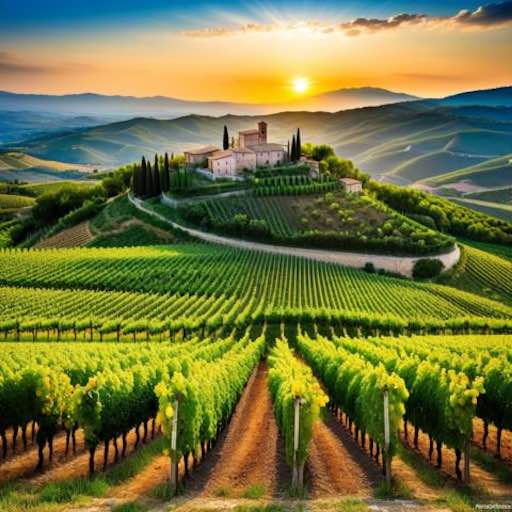
Molise, one of Italy's smallest and lesser-known regions, has a long but poorly documented winegrowing tradition. The Romans already appreciated wine production in this area, and historical records show that wine has been an integral part of rural life for centuries. Due to its relatively small size and remote location, viticulture traditionally developed in small-scale farming structures, with old grape varieties being cultivated and passed on locally.
Geographical features, climatic conditions, and size of wine-growing areas
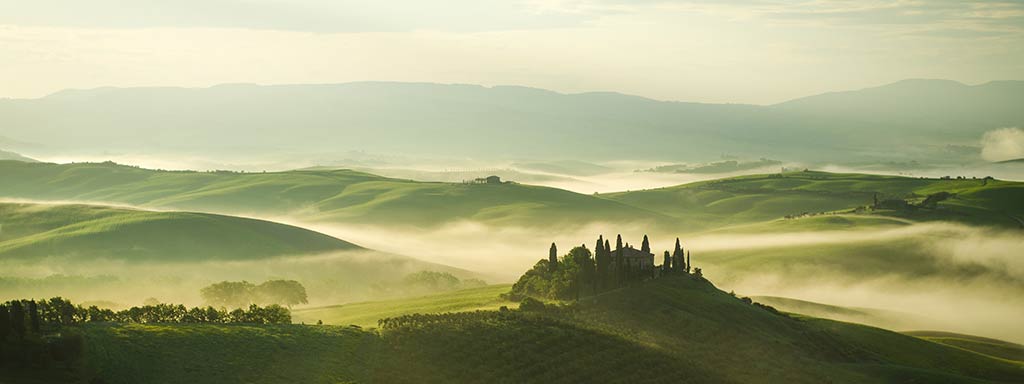
Molise lies between the Apennines in the west and the Adriatic Sea in the east. This location creates a diverse landscape of hills, mountains, and coastline. The soils consist of calcareous and loamy components, which are ideal for viticulture. The climate is Mediterranean on the coast, cooler and more continental inland, with hot summers and mild winters. The vineyards are relatively small, covering around 4,500 to 5,000 hectares, making the region one of Italy's smaller wine-growing regions.
Commonly grown grape varieties and why
Molise is particularly well known for its indigenous grape varieties. Montepulciano dominates among the red wines, finding ideal conditions in the hills and producing strong, aromatic red wines with aging potential. Other red varieties include Aglianico and Piedirosso, which provide structure and spice. Trebbiano Toscano plays a particularly important role among the white wines, alongside Malvasia Bianca and Pecorino, which produce fresh, mineral white wines. The selection of grape varieties is strongly influenced by the climatic and soil conditions of the individual sites.
Noteworthy wines or wine specialties
The most famous wines of Molise are Montepulciano del Molise DOC and Biferno DOC. Montepulciano del Molise produces dense, fruit-forward red wines with good tannin content and aging potential, while Biferno DOC includes both red and white wines. The white wines are characterized by freshness, fine minerality, and aroma. Another highlight is Cesanese, which is mainly grown in mountainous areas and produces elegant, spicy red wines. - Gerardo [TS12/25]
| Name | Molise | |||||||||||||||||||||||||||||||||||||||||||||||||||||||||||||||||||||||||||||||||||||||||||||||||
| Category | Wine Region | |||||||||||||||||||||||||||||||||||||||||||||||||||||||||||||||||||||||||||||||||||||||||||||||||
| Vineyard Area (Hectare) | 7.700 | |||||||||||||||||||||||||||||||||||||||||||||||||||||||||||||||||||||||||||||||||||||||||||||||||
| Grape Varieties | Aglianico, Montepulciano, Cabernet, Sangiovese, Tintilia, Greco, Fiano, Trebbiano, Bombino | |||||||||||||||||||||||||||||||||||||||||||||||||||||||||||||||||||||||||||||||||||||||||||||||||
| Capital | Campobasso | |||||||||||||||||||||||||||||||||||||||||||||||||||||||||||||||||||||||||||||||||||||||||||||||||