
 Rosato | Rosé from Italy
|
Rosato | Rosé from Italy
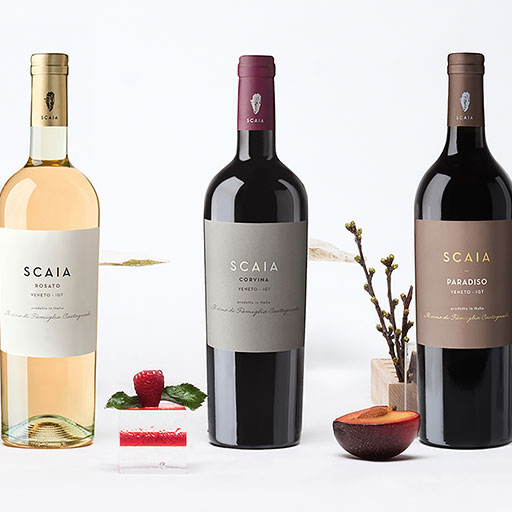
Rosé wines are fine aperitifs and excellent accompaniments to food, especially in spring and summer. The typical rosé is drunk well chilled, is light, refreshing and has a delicate light red to salmon hue. Rosato from Italy is predominantly dry, although there are also subtle, delicately fruity varieties with a hint of residual sweetness. The wine is usually made by macerating red grapes for short periods, which finely balances aroma, freshness and color. What all rosé wines have in common is that they are served chilled like white wine and are an excellent accompaniment to salads, vegetable dishes and Mediterranean fish cuisine. They are also a harmonious choice with antipasti or light meat dishes such as poultry or veal.
Gone are the days when rosato was equated with sweet, simple wines. Today, rosé is sophisticated, multi-faceted and comes in many styles - from delicate to full-bodied. Particularly in the lighter months of the year, it offers refreshing variety at a high level, which also appeals to discerning connoisseurs. More and more wine regions in Italy are producing expressive rosati that shine with regional typicity and artisanal finesse. With this in mind: Drink Pink - stylish, aromatic and contemporary! - Gerardo [TS05/25]Hat;
"Rosé wine has for many more of the red wine than the white wine, while it is prepared almost in the same way as white wine without barrel aging. The only difference comes into play when grinding the grapes: If you soak the red skins in the juice, a little pigment is extracted and the wine takes on color." - Max Allen (The Magic of Wine)
Rosato: Alto Adige Rosato: Italy

Rosato: Alto Adige Rosato: Italy
Rosato | Rosé from Italy | Buy at Gerardo
Rosé wine is a popular type of wine that is made from red grapes. Unlike red wine, the juice only remains in contact with the grape skins for a short time, which gives it its characteristic pink color. This limited contact with the skins gives the rosé some of the aromas and nuances of red wine without taking on its heaviness. The result is usually a milder, lighter wine with fresh fruit and generally a lower alcohol content - ideal for carefree moments of enjoyment.
There is a wide variety of rosé wines: the style, color and taste differ significantly depending on the origin and grape variety used. Well-known examples include the Provence Rosé with its light color, dry structure and fine aromas of red berries and flowers, or the Sancerre Rosé with its freshness, citrus notes and slightly herbal character. Zinfandel rosé, which is particularly popular in California, also offers a fruity, often slightly sweet style.
Rosé wines are produced in many wine regions around the world, but particularly in France, Spain and Italy. France, above all Provence, is considered to be the region of origin of modern rosé wine culture and is the world leader in quality and exports. Spain scores with more powerful rosados from regions such as Navarra or La Rioja, while Italy's “Rosato” offers a wide range of fresh to spicy varieties - characterized by regional grape varieties such as Montepulciano, Negroamaro or Cannonau.
Rosé wine is perfect for the summer: served chilled, it is ideal with light dishes such as salads, fish, seafood or poultry and is an excellent aperitif at garden parties, picnics or barbecues. It is also an impressive accompaniment to Mediterranean cuisine thanks to its versatility and lightness.
Overall, rosé wine is a modern classic with many faces - from an uncomplicated terrace wine to a sophisticated accompaniment to a meal. Its fresh aroma, stylistic diversity and suitability for everyday drinking make it an integral part of contemporary wine culture. If you serve it at the right temperature - usually between 8 and 12 degrees - and choose a suitable white wine glass, you can fully exploit the potential of this charming type of wine. - Gerardo [TS05/25]