Story: Foradori | Trentino
Page: 1/1
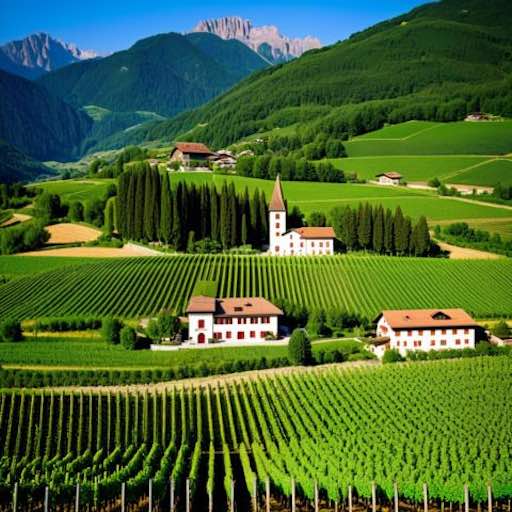
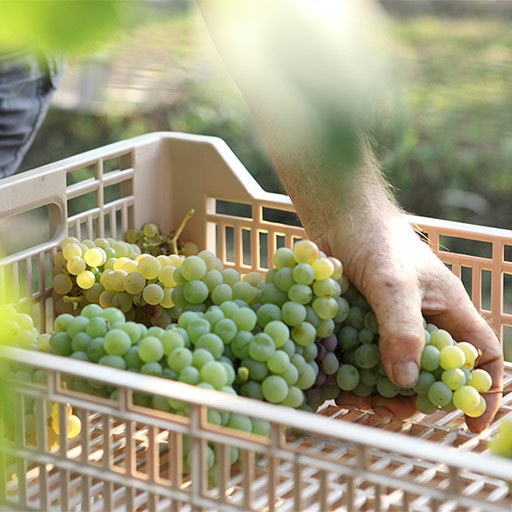
The Foradori winery has its roots in Mezzolombardo in Trentino, where the family has been farming and growing grapes for generations. After her father died at an early age, Elisabetta took over the business in 1985 at the age of just 20. At a time when Teroldego was hardly appreciated anymore, she focused on selecting old clones of this grape variety: she soon registered around 15 different Teroldego clones. This clever choice of clones laid the foundation for the later revival of this indigenous grape.
Location, terroir, and climatic characteristics
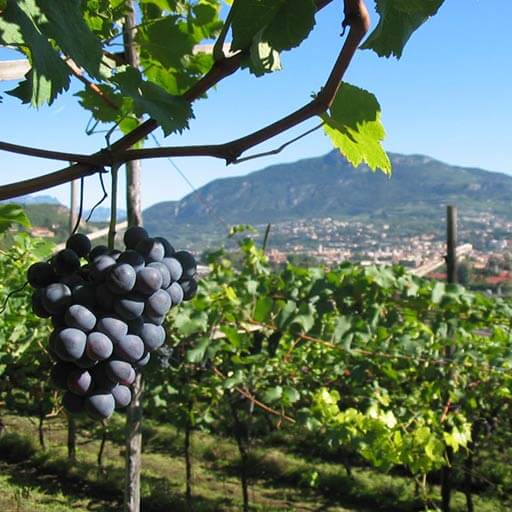
Foradori's vineyards are located in the Campo Rotaliano plain, at the confluence of the Noce and Adige rivers, as well as in the hilly plots of Fontanasanta above Trento. The soil is characterized by scree, limestone, porphyry, gneiss, and granite—testimony to the geological diversity of the Dolomites. Climatically, the influences of the mountains combine with those of the Mediterranean south: during the day, the Dolomites reflect the sun, while at night cooler downdrafts move into the valley - conditions that lead to slow ripening, lively acidity, and mineral-dense wine.
Philosophy: Biodynamics, amphorae, and closeness to nature
Foradori switched her business entirely to biodynamic agriculture back in 2002, and since then, a conscious return to natural rhythms has shaped her daily work. In the cellar, there is an increased focus on clay amphorae (400 liters), in which wines such as Teroldego or white wines such as Nosiola and Manzoni undergo maceration. The amphorae are not buried, but stand freely in the room—a conscious expression of the connection between earth, material, and cosmic rhythm, as suggested by biodynamic teachings.
Range: Diversity with a focus on Teroldego
Teroldego forms the core of the range, accounting for around 70-80% of the vineyards. Foradori differentiates between several wines: the simple Teroldego “Foradori,” but also single-vineyard wines such as Morei and Sgarzon, each of which comes from individual plots and is vinified in amphorae. She also cultivates white wines: Nosiola Fontanasanta, Manzoni Bianco Fontanasanta, and Pinot Grigio “Fuoripista,” which is given a coppery hue and a lively, unconventional structure through maceration.
A special highlight: Teroldego “Granato”
One of the flagship wines is undoubtedly the Teroldego “Granato.” This wine was created early on as Granato—named after the pomegranate—and reflects the great potential of Teroldego with its aromatic complexity, structure, and spicy depth. Granato matures in small wooden barrels and combines violets, dark berries, spices, and a fine minerality. It is considered the flagship of the winery and has gained great recognition from critics.
Significance & Outlook
Elisabetta Foradori's winery is much more than just a wine producer: it is a beacon for biodynamic viticulture, autochtony, and intelligent parcel management in Trentino. Foradori has not only made a significant contribution to saving Teroldego, but has also shown how exceptional wines can be created with respect for nature, an experimental spirit, and high quality standards. In the future, the Foradori family could continue to selectively choose vineyards, implement additional amphora projects, or venture into new biodynamic experiments—always in the service of an authentic wine world full of character. - Gerardo [TS12/25]

| Name | Foradori | |||||||||||||||||||||||||||||||||||||||||||||||||||||||||||||||||||||||||||||||||||||||||||||||||
| Category | Trentino | |||||||||||||||||||||||||||||||||||||||||||||||||||||||||||||||||||||||||||||||||||||||||||||||||
| Founding Year | Gründung | |||||||||||||||||||||||||||||||||||||||||||||||||||||||||||||||||||||||||||||||||||||||||||||||||
| Owner | Inhaber | |||||||||||||||||||||||||||||||||||||||||||||||||||||||||||||||||||||||||||||||||||||||||||||||||
| Oenologist | Önologe | |||||||||||||||||||||||||||||||||||||||||||||||||||||||||||||||||||||||||||||||||||||||||||||||||
| Annual Production (Btls) | Jahresproduktion | |||||||||||||||||||||||||||||||||||||||||||||||||||||||||||||||||||||||||||||||||||||||||||||||||
| Vineyard Area (Hectare) | Hektar | |||||||||||||||||||||||||||||||||||||||||||||||||||||||||||||||||||||||||||||||||||||||||||||||||
| Additional Purchase | Zukauf | |||||||||||||||||||||||||||||||||||||||||||||||||||||||||||||||||||||||||||||||||||||||||||||||||
| Cultivation | Anbau | |||||||||||||||||||||||||||||||||||||||||||||||||||||||||||||||||||||||||||||||||||||||||||||||||