Story: Lombardy | Wine region
Page: 1/5
Lombardy in northern Italy is known to many people primarily as an industrial and economic center with cities such as Milan — but it also has a long tradition of winegrowing that dates back to ancient times. Early on, the region benefited from its geographical diversity and proximity to lakes, mountains, and fertile plains. Over the centuries, viticulture and wine trade developed in parallel with economic development and cultural exchange. In modern times — especially since the 20th century — Lombardy has professionalized its viticulture: new cellar techniques, stricter rules of origin, and a shift toward quality instead of quantity have shaped this change.
Geographical features, climate, and wine-growing areas
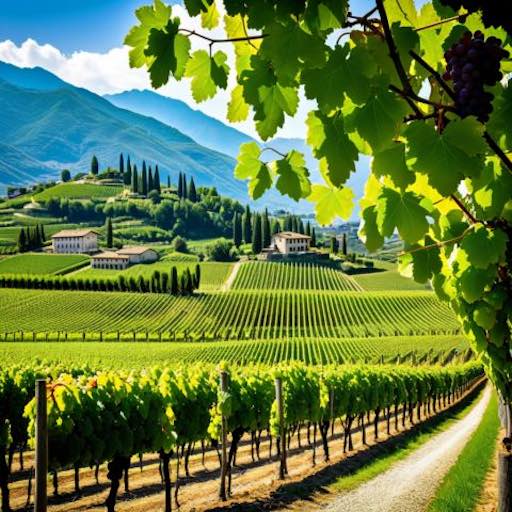
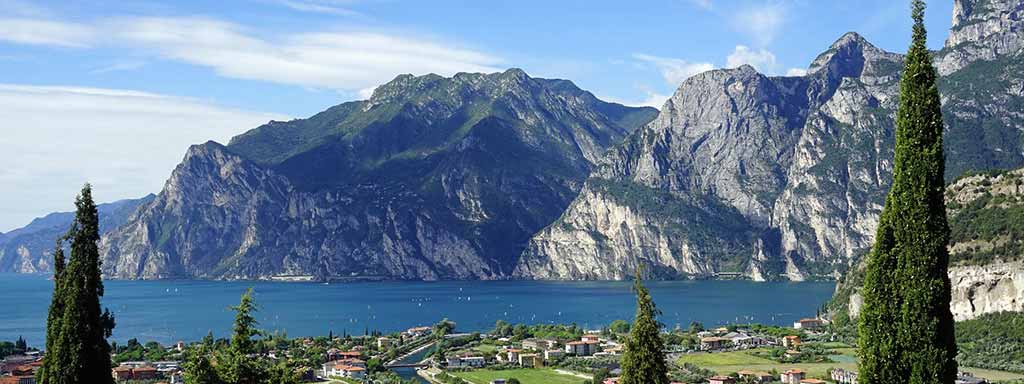
Lombardy is remarkably diverse in terms of geography: in the north, the Alps extend close to the region; in the center, lake landscapes dominate—for example, around Lake Garda and Lake Iseo; and in the south lies the vast Po Valley. This diversity of terrain—mountains, hills, lakes, plains—leads to very different conditions for viticulture. The climate varies accordingly: the lake regions have a mild continental climate with hot summers and cold winters, the alpine areas tend to have cool nights, and the hilly growing areas of the Alpine foothills have mild, often lagoon-like conditions. Soils range from calcareous and mineral-rich gravel soils in the hills to fertile, lighter soils in the plains — a good prerequisite for a wide variety of wine styles. The vineyard area of Lombardy is around 22,000-27,000 hectares. This comparatively moderate area is spread over several quite different wine-growing regions — which is possibly one reason for the great stylistic and qualitative diversity of the region.
Commonly grown grape varieties and why
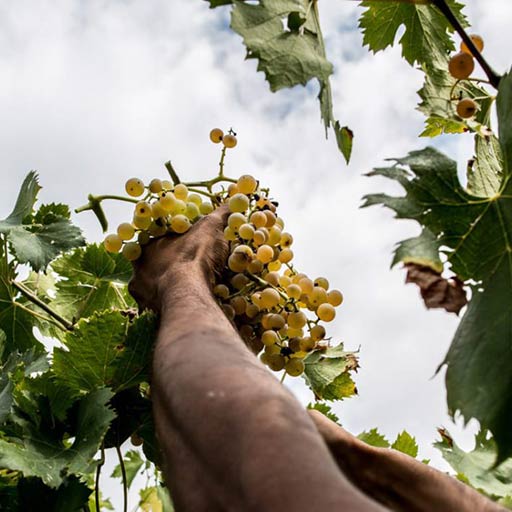
Lombardy cultivates a mixture of indigenous, traditional, and international grape varieties—a response to the different climates, soils, and market demands. Red varieties often include Barbera, Bonarda (Croatina), Cabernet Sauvignon, Merlot, Pinot Nero (Pinot Noir), and, in alpine areas, the indigenous Nebbiolo (often called Chiavennasca). On the white side, varieties such as Chardonnay and Pinot Bianco dominate, but also, especially in the southern Garda/Lugana area, the indigenous Turbiana (Trebbiano di Lugana) variety, which plays a central role in the Lugana DOC appellation. This diversity can be explained by the geographical diversity: robust, late-ripening varieties such as Nebbiolo thrive in the Alpine regions; Chardonnay or Pinot are suitable for elegant, fresh wines in the hilly, mineral-rich soils; and Turbiana and similar white grapes produce delicate, fruity wines in the lakes and plains.
Noteworthy wines or wine specialties
Lombardy boasts a number of famous and very diverse wines—the best known is probably the Franciacorta DOCG sparkling wine region: here, Chardonnay, Pinot Nero, and Pinot Bianco grapes are used to produce wines using the classic method, which enjoy an excellent international reputation. In the north, in the Alpine region, lies the Valtellina DOC wine-growing area, known for its Nebbiolo wines — structured, elegant, and with a mountain character, with potential for aging. The white wine from the south of the region is completely different: the Lugana DOC produces fresh, often mineral white wines from the Turbiana grape variety, which are highly appreciated for their liveliness and accessibility. In addition, there are numerous other DOC and DOCG areas such as Oltrepò Pavese DOCG, Moscato di Scanzo DOCG, and Valcalepio DOC — each with its own specialties, from red and white to sweet and sparkling wines. - Gerardo [TS12/25]
| Name | Lombardy | |||||||||||||||||||||||||||||||||||||||||||||||||||||||||||||||||||||||||||||||||||||||||||||||||
| Category | Wine Region | |||||||||||||||||||||||||||||||||||||||||||||||||||||||||||||||||||||||||||||||||||||||||||||||||
| Vineyard Area (Hectare) | 27.000 | |||||||||||||||||||||||||||||||||||||||||||||||||||||||||||||||||||||||||||||||||||||||||||||||||
| Grape Varieties | Lambrusco, Nebbiolo, Pinot Nero, Sangiovese, Barbera, Cabernet, Merlot, Lugana, Trebbiano, Chardonnay, Pinot Bianco | |||||||||||||||||||||||||||||||||||||||||||||||||||||||||||||||||||||||||||||||||||||||||||||||||
| Capital | Milano | |||||||||||||||||||||||||||||||||||||||||||||||||||||||||||||||||||||||||||||||||||||||||||||||||
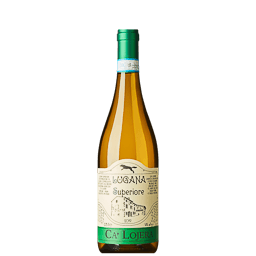 |
Lugana Superiore DOC 2021, Ca' LojeraCa' Lojera, Lombardy € 19,95 26,60 €/L | |||||||||||||||||||||||||||||||||||||||||||||||||||||||||||||||||||||||||||||||||||||||||||||||||
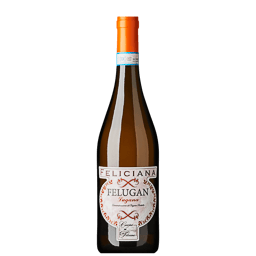 |
Felugan · Lugana DOC 2023, FelicianaFeliciana, Lombardy € 11,95 jetzt € 10,99 14,65 €/L | |||||||||||||||||||||||||||||||||||||||||||||||||||||||||||||||||||||||||||||||||||||||||||||||||
 |
Franciacorta Extra Brut DOCG 2019, Ricci CurbastroRicci Curbastro, Lombardy € 27,95 37,27 €/L | |||||||||||||||||||||||||||||||||||||||||||||||||||||||||||||||||||||||||||||||||||||||||||||||||
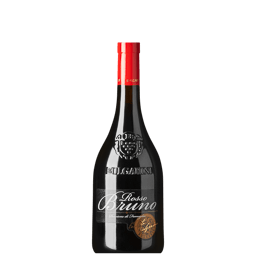 |
Rosso Bruno · Vino Rosso 2021, Bulgarini FaustoBulgarini Fausto, Lombardy € 11,95 15,93 €/L | |||||||||||||||||||||||||||||||||||||||||||||||||||||||||||||||||||||||||||||||||||||||||||||||||
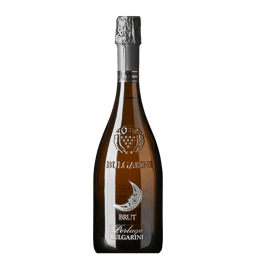 |
Perlage · Spumante Brut Garda DOC (2022), Bulgarini FaustoBulgarini Fausto, Lombardy € 15,95 21,27 €/L | |||||||||||||||||||||||||||||||||||||||||||||||||||||||||||||||||||||||||||||||||||||||||||||||||
 |
Cuvèe dei Frati · Spumante Metodo Classico Brut VSQ (2025), Cà dei FratiCà dei Frati, Lombardy € 22,95 30,60 €/L | |||||||||||||||||||||||||||||||||||||||||||||||||||||||||||||||||||||||||||||||||||||||||||||||||