Story: Olive Oil extra virgin | 1/3
A cultural asset with thousands of years of history
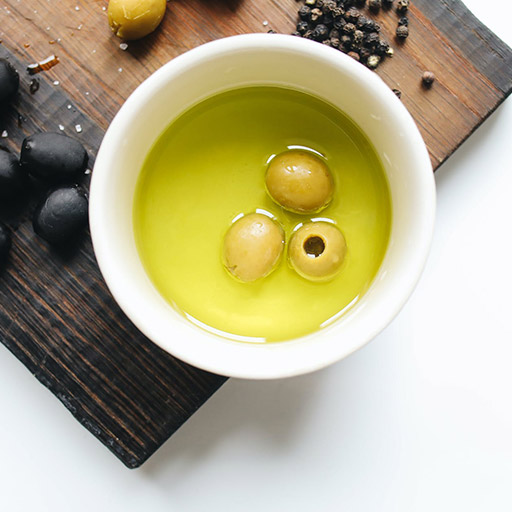
Olive oil is much more than just a kitchen utensil - it is a piece of cultural history. In Italy, the use of “liquid gold” dates back to ancient times. The Etruscans and Romans were already cultivating olive trees in large parts of the peninsula. At that time, olive oil was a means of payment, medicine, religious sacrifice and a sign of wealth.
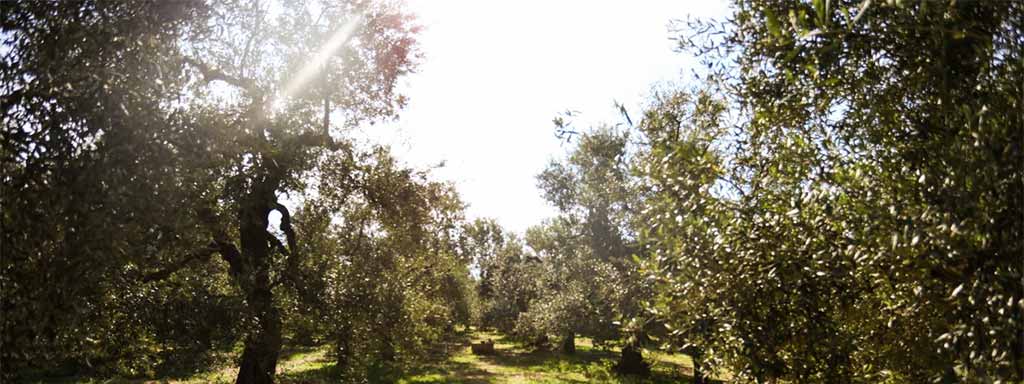
This significance has endured. In many regions of Italy, the production of olive oil is a family craft that has been passed down from generation to generation. Every region, every valley, every estate produces oils that are characterized by the climatic conditions, the soil conditions and the respective olive variety.
Italian diversity: 500 varieties, a treasure
Italy is the country with the greatest diversity of olive varieties in the world: over 500 autochthonous varieties are officially registered. This diversity creates an incredible range of flavor profiles - from mild and sweet to powerful, bitter and spicy.
Typical Ligurian olive oils from varieties such as Taggiasca are delicate, flowery and tender, while Apulian Coratina oils are intensely grassy, almost spicy. In Tuscany, Frantoio dominates - strong, slightly peppery, perfect for rustic cuisine.
Production: From harvesting to pressing
The production of high-quality olive oil is a sensitive process. The best producers rely on manual harvesting or modern shaking techniques that remove the olives from the trees undamaged. Ideally, the fruit should be processed on the day of harvest - the shorter the storage time, the better the quality.
The cold extraction process is used for pressing. The temperature of 27 °C must not be exceeded in order to preserve aromas and sensitive compounds such as polyphenols. The oil is then filtered or bottled in its natural state - depending on the producer's philosophy.
Quality criteria: What genuine “extra virgin” means
“Extra virgin” is not a marketing phrase, but a legally defined term. To carry this designation, an olive oil must:
- be produced exclusively by mechanical means (without solvents),
- have an acidity of less than 0.8%,
- be free from sensory defects,
- and carry the taste impression of fruitiness.
These criteria are non-negotiable - but the reality is often different, as we will see in the next part. - Gerardo [TS04/25]
| Name | Olive Oil Extra Virgin | |||||||||||||||||||||||||||||||||||||||||||||||||||||||||||||||||||||||||||||||||||||||||||||||||
| Category | 1/3 | |||||||||||||||||||||||||||||||||||||||||||||||||||||||||||||||||||||||||||||||||||||||||||||||||
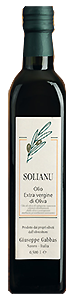 |
Solianu · Olivenöl Extra Vergine 2021, GabbasGabbas, Sardegna € 18,50 jetzt € 17,99 35,98 €/L | |||||||||||||||||||||||||||||||||||||||||||||||||||||||||||||||||||||||||||||||||||||||||||||||||
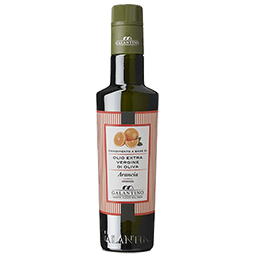 |
Arancia · Orangen Olivenöl Extra Vergine 2024, Frantoio GalantinoFrantoio Galantino, Puglia € 12,95 51,80 €/L | |||||||||||||||||||||||||||||||||||||||||||||||||||||||||||||||||||||||||||||||||||||||||||||||||
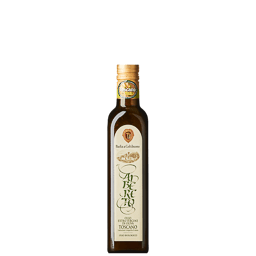 |
Albereto · Olivenöl Extra Vergine 2024 (Bio), Badia a ColtibuonoBadia a Coltibuono, Tuscany € 27,50 55,00 €/L | |||||||||||||||||||||||||||||||||||||||||||||||||||||||||||||||||||||||||||||||||||||||||||||||||
 |
Svevo · Olivenöl Extra Vergine 2022, Frantoio Oleario San DomenicoFrantoio Oleario San Domenico, Puglia € 19,95 26,60 €/L | |||||||||||||||||||||||||||||||||||||||||||||||||||||||||||||||||||||||||||||||||||||||||||||||||
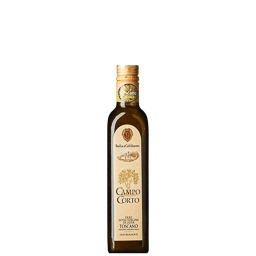 |
Campo Corto · Olivenöl Extra Vergine 2021 (Bio), Badia a ColtibuonoBadia a Coltibuono, Tuscany € 27,50 55,00 €/L | |||||||||||||||||||||||||||||||||||||||||||||||||||||||||||||||||||||||||||||||||||||||||||||||||
|
Svevo · Olivenöl Extra Vergine 2025, Frantoio Oleario San DomenicoFrantoio Oleario San Domenico, Puglia € 19,95 26,60 €/L | |||||||||||||||||||||||||||||||||||||||||||||||||||||||||||||||||||||||||||||||||||||||||||||||||