Story: Pfefferer | Classic
Page: 1/1

The Pfefferer grape, a fascinating subspecies of the Goldmuskateller, has its very own history, which is not limited to its variety of flavors. Its curious name, which comes from the South Tyrolean dialect, has an amusing nuance. The term 'Pfefferer' comes from the dialect and is the regional name for the golden muscatel. At first glance, this name may seem unusual, as the name 'Pfefferer' has nothing to do with pepper or its aromas. Rather, it is a linguistic peculiarity that is anchored in the regional culture and charmingly underlines the connection to the Goldmuskateller grape. The rich tradition and unique characteristics of this remarkable grape variety from the vineyards of South Tyrol and Trentino are reflected not only in the taste and bouquet, but also in the name itself.
Goldmuskateller: fragrant personality with alpine freshness
The Pfefferer grape, one of the oldest grape varieties of all, presents itself as a variant of the (Gold-) Muskateller grape of remarkable importance. The regions of South Tyrol and Trentino are home to a particularly fascinating variant of this grape variety. Its shape is relatively long and partly double-shouldered, and the berries take on a yellow color when fully ripe. The bouquet of this grape has a spicy, extremely aromatic character, which is impressively reflected in the wines made from it. Wine lovers will be surprised by the elegant, lively and youthful nature of this wine, which is accompanied by an unmistakable character
The Muscat grape, a common grape variety throughout Italy, is one of the most important historical plants and therefore one of the oldest cultivated by man. Presumably originating from the Middle East, it thrives optimally in warm and dry locations. The name 'Moscato' or 'Muscat' is possibly derived from the Latin word 'musca' (fly). Pliny the Elder called it 'uva apiana', the beehive, because of its highly fragrant fruit, which magically attracts bees. A less poetic interpretation of the origin of the name could refer to the small berries, which are very similar to the seeds of the nutmeg tree.
The different main varieties of this grape variety have different berry colors - from white to pink to red. The white varieties are the most widespread and are often characterized by a certain sweetness and a pronounced grape taste. Muscat wines exhibit a broad spectrum of aromas, ranging from banal nuances to the most exquisite treasures of the wine scene. The predominant styles manifest themselves in light sparkling wines or semi-sparkling wines such as Moscato d'Asti or the famous Asti Spumante from Piedmont.
More than just a summer wine: the charm of the Pfefferer
Despite its light nature, Pfefferer is not just a terrace wine. Its delicate aroma makes it an ideal accompaniment to starters, vegetable dishes or Asian-inspired cuisine. It goes just as well with a Mediterranean lunch as it does with a glass in convivial company. Its accessibility and yet independent personality make it one of the most likeable wines in South Tyrol - uncomplicated, but not banal.
In addition to the classic, the Schreckbichl winery has further developed the character of this grape variety in two other variants: the Pfefferer Rosato, which scores with its berry freshness and delicate rosé color, and the Pfefferer Cuvée Sun, a modern blend with a particularly fruity lightness. But the origin remains the classic white wine - an aromatic original that bears its name with pride.
The classic Pfefferer: South Tyrol in a glass
The classic Pfefferer white wine has long been a fixture on the South Tyrolean wine scene. Light yellow in the glass, with a beguiling aroma of elderflower, nutmeg, citrus and a hint of exotic fruit. It is fresh, playful and wonderfully drinkable on the palate. This wine is simply a joy - whether as an aperitif, with light starters or simply as a glass of wine for sunny moments.
It sums up the style of the Gold Muscat: expressive but not heavy, aromatic but never overloaded. A wine that shows that complexity can also be light-footed.
Pfefferer Rosato: summer in rosé
With Pfefferer Rosato, the Schreckbichl winery reinterprets Muscat - fruity, but with a seductive berry and blossom aroma. The color shimmers in a delicate pink, the aroma is reminiscent of strawberries, rose petals and a hint of clove. It is fruity on the palate, yet refreshingly dry and elegant.
This rosato is perfect for the warmer months - light, lively and yet full of character. A modern, Mediterranean delight that gives the Pfefferer feeling a new, playful twist.
Pfefferer Cuvée Sun: sunny diversity in a glass
The latest addition to the line is the Pfefferer Cuvée Sun - a creative blend in which the Goldmuskateller meets other aromatic grape varieties. The result is a wine full of luminosity: floral, exotic and full of energy. The Cuvée Sun brings sunshine to the glass - with a radiant aroma, clear freshness and a hint of fine spice on the finish.
It is living proof of how versatile the Pfefferer grape can be. The cuvée invites you to leave the classic framework and experience wine in a completely new way - as an accompaniment to creative cuisine or simply for moments when the sun is shining. - Gerardo [TS04/25]
 © www.colterenzio.it
| Name | Pfefferer | |||||||||||||||||||||||||||||||||||||||||||||||||||||||||||||||||||||||||||||||||||||||||||||||||
| Category | Classic | |||||||||||||||||||||||||||||||||||||||||||||||||||||||||||||||||||||||||||||||||||||||||||||||||
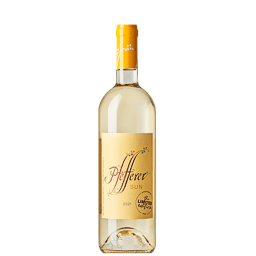 |
Pfefferer SUN · Cuvée Weiß IGT 2025, SchreckbichlSchreckbichl, South Tyrol € 11,95 15,93 €/L | |||||||||||||||||||||||||||||||||||||||||||||||||||||||||||||||||||||||||||||||||||||||||||||||||
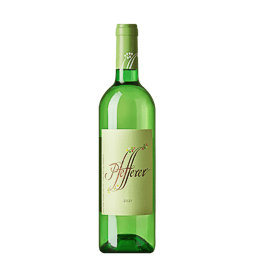 |
Pfefferer · Goldmuskateller IGT 2025, SchreckbichlSchreckbichl, South Tyrol € 10,95 14,60 €/L | |||||||||||||||||||||||||||||||||||||||||||||||||||||||||||||||||||||||||||||||||||||||||||||||||
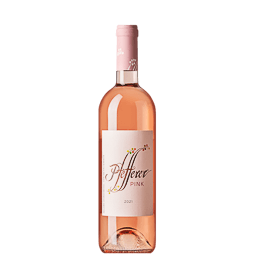 |
Pfefferer Pink · Rosato IGT 2024, SchreckbichlSchreckbichl, South Tyrol € 11,95 15,93 €/L | |||||||||||||||||||||||||||||||||||||||||||||||||||||||||||||||||||||||||||||||||||||||||||||||||