Story: South Tyrol Sparkling | Spumante Alto Adige

South Tyrolean sparkling wine stands for elegant, finely sparkling wines of the highest quality. Sparkling wine has been produced here for over 100 years, but it is only in recent decades that traditional bottle fermentation (Metodo Classico) has become the focus of local winegrowers and sparkling wine producers. Under the aegis of the Association of South Tyrolean Sparkling Wine Producers, ten specialized wineries are committed to the strictest quality criteria. The core idea is: “100% South Tyrol bubbles in the bottle - from the grape to the final product.” Only first-class grapes of the Chardonnay, Pinot Blanc, and Pinot Noir varieties are permitted. This is the only way to produce sparkling wines with a spicy acidity, elegant minerality, and particularly fine perlage - typical of South Tyrolean sparkling wines.
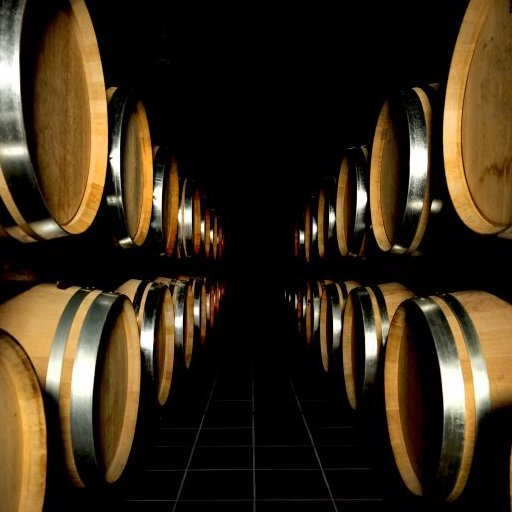
The secret of South Tyrolean sparkling wine production is classic bottle fermentation. Unlike tank fermentation, the second fermentation takes place directly in the bottle. After aerating with yeast and sugar, carbon dioxide is produced in the closed bottle, which ultimately makes the sparkling wine fizzy. The bottles are then stored on the fine lees for at least 15 months - and for Riserva selections, even 36 months or longer. During this time, the bottles are shaken to collect the yeast particles in the neck of the bottle, which are then removed by freezing. Only after adding a small dosage and sealing with natural cork and agraffe is the sparkling wine ready to drink. This labor-intensive process requires long yeast storage and a lot of manual work, but rewards with a particularly fine, lasting perlage and complex bouquet.
Limited quantity, highest standards
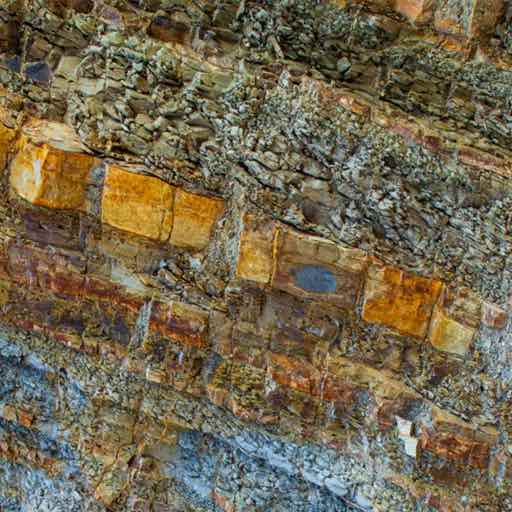
The complex production process results in comparatively small quantities: all South Tyrolean sparkling wine producers together produce only around 400,000 bottles per year. This means that the sparkling wines remain rare and valuable. Each vintage is strictly selected from the best vineyard sites. At the same time, all stages of production are carried out by hand - from harvesting to bottling and the special sparkling wine processes. This focus on quality rather than quantity is central to the success: since the sparkling wine producers' association was founded over 30 years ago, the emphasis here has been on authentic “100% South Tyrol” enjoyment. The combination of the alpine climate, mineral soils, and special grape varieties gives the sparkling wines their unmistakable freshness and elegance.
Leading sparkling wine producers in South Tyrol
Arunda in Mölten is Europe's highest sparkling wine producer, located at around 1,200 meters above sea level. It was founded in 1979 and produces exclusively according to the metodo classico. The sparkling wines are stored here in a frost-free mountain cellar, where they mature on the lees for several years. The cuvées are made from Chardonnay, Pinot Blanc, and Pinot Noir from selected vineyards. With around 120,000 bottles per year, Arunda is one of the largest classic sparkling wine producers in South Tyrol. The range extends from elegant Brut and Pas Dosé to Blanc de Blancs and Rosé to extensively matured Riserva editions.
The Merano Winery launched its first vintage sparkling wine in 2019. The “Brut Riserva DOC 36” is a cuvée of Chardonnay, Pinot Blanc, and Pinot Noir from vineyards around Merano and matures on the lees for 36 months. It impresses with its fine perlage and delicate bread crust aromas. Cantina Kaltern is also known for its Metodo Classico. Its Brut Nature is made from Pinot Noir and Chardonnay, aged on the lees for 39 months and produced without dosage. The result is a fresh, spicy sparkling wine with a particularly fine perlage.
The St. Pauls winery has been one of the pioneers since 1979 with its Praeclarus brand. Praeclarus Brut, made from 100% Chardonnay, is aged on the lees for at least 24 months and shines with aromas of almond blossom, peach, and bread crust, as well as a long-lasting perlage. The Haderburg Winery in Salurn is also considered a traditional address. Here, the sparkling wines mature on the lees for between two and eight years, often still in hand-shaking racks. The base is biodynamically grown Chardonnay, supplemented by Pinot Noir for the rosé variety. The sparkling wines are characterized by depth, power, and fine yeast aromas.
Other important producers include the Kettmeir Winery in Kaltern, the Kurtatsch Winery, the Braunbach Sparkling Wine and Wine Cellar in Terlan, the Lorenz Martini Sparkling Wine Cellar in Girlan, and the Pfitscher Winery in Montan. Together, they represent the pinnacle of South Tyrolean sparkling wine production, which consistently relies on the Metodo Classico, artisanal work, and longer yeast maturation. Each bottle is an ambassador for the South Tyrolean terroir and shows that sparkling wine here is one of Italy's top products.
Important grape varieties for South Tyrolean sparkling wine
Only three classic grape varieties may be used for South Tyrolean sparkling wine. Chardonnay is the main basis for many sparkling wines and provides freshness, structure, and aging potential. Pinot Noir lends body, depth, and elegant berry notes, while Pinot Blanc contributes freshness, smoothness, and floral accents. All grapes are harvested slightly earlier to preserve their lively acidity. Together, they produce sparkling wines with delicate acidity, precise minerality, and aromatic complexity—the hallmark of South Tyrolean sparkling wine. - Gerardo [TS09/25]

| Name | South Tyrol Sparkling | |||||||||||||||||||||||||||||||||||||||||||||||||||||||||||||||||||||||||||||||||||||||||||||||||
| Category | Spumante Alto Adige | |||||||||||||||||||||||||||||||||||||||||||||||||||||||||||||||||||||||||||||||||||||||||||||||||