Story: Roero Arneis | Grape Variety
Page: 1/2

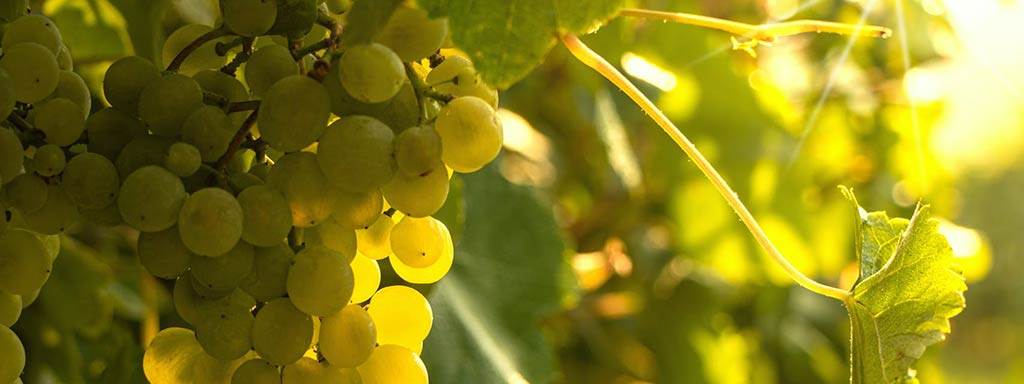
The elegant white wine Roero Arneis comes from Piedmont and is made from the Arneis grape variety of the same name. It is grown between Canale and Alba in the province of Cuneo, on the left bank of the River Tanaro, opposite the famous Barolo region. Since 2004, Roero Arneis has enjoyed DOCG status - the highest quality level within the Italian wine classification. Roero Arneis in particular often stands out clearly from the simpler Langhe Arneis. Some winegrowers even claim that there is a considerable amount of industrially produced Arneis on the market, which hardly corresponds to the original in terms of quality.
An almost forgotten grape variety makes a comeback
The history of the Arneis grape is a chequered one: towards the end of the 20th century, it was almost extinct. Its potential was long underestimated or simply not exploited. However, with the revival of interest in indigenous grape varieties, it has made a remarkable comeback. Today, the “Barolo Bianco”, as the Roero Arneis is sometimes jokingly called, is enjoying growing popularity. Its fresh fruit, pleasant acidity and fine aromas make it an ideal white wine for connoisseurs in search of character and authenticity.
History, renaissance and character
The Arneis grape, whose origins are firmly rooted in Piedmont, shares its fate with other grape varieties such as Viognier: almost forgotten, then rescued and now in demand again. In the 1960s, only a few vines were left and only a small number were actually used for wine. Today, the area under vines in Piedmont once again amounts to around 600 hectares. The variety is now firmly established in the Roero region in particular - even if it is far behind the red Nebbiolo in terms of quantity. The best vineyards produce fragrant wines with notes of pear, apricot and a hint of hazelnut.
Why Arneis was almost lost - and what saved it
There are several reasons for the decline of the Arneis grape in the 20th century: Piedmont was traditionally a region of red wines - white wines had little prestige there. As a result, white grape varieties were mostly used on less suitable sites or only as protective plantings for more valuable varieties. The Arneis grape, for example, with its intense aroma, served to distract birds and insects from Nebbiolo vines. Added to this were its low yields and susceptibility to mildew - not an easy fate for an already marginalized variety.
The fact that the grape variety nevertheless survived is largely thanks to the commitment of Alfredo Currado - a member of the renowned Vietti winegrowing family. From 1967 onwards, Currado invested time and effort in rediscovering this endangered variety, laying the foundations for its current reputation. His efforts were not only an act of preservation, but also a source of inspiration for modern Piedmont.
Conclusion: A white wine with identity and a future
Today, Roero Arneis stands for elegance, fine structure and full flavor. Thanks to the special terroir of the Roero, it has an unmistakable character - just as convincing as a soloist as it is as an accompaniment to food. The “white Nebbiolo” shows that Piedmont is not only capable of great red wines. Anyone who has only ever had Barolo or Barbaresco in their glass should give the Roero Arneis a chance. It's worth it - even for those who believe that the best has already been said when it comes to Italian white wine. - Gerardo [TS04/25]
| Name | Roero Arneis | |||||||||||||||||||||||||||||||||||||||||||||||||||||||||||||||||||||||||||||||||||||||||||||||||
| Category | Grape Variety | |||||||||||||||||||||||||||||||||||||||||||||||||||||||||||||||||||||||||||||||||||||||||||||||||
| Synonyms | Bianchetta D'Alba, Bianchetta Di Alba, Bianchetto, Bianchetto Albese, Bianchetto Di Verzuelo, Bianchetto Di Alba, Nebbiolo Bianco | |||||||||||||||||||||||||||||||||||||||||||||||||||||||||||||||||||||||||||||||||||||||||||||||||
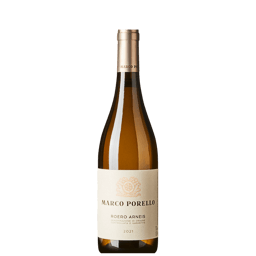 |
Roero Arneis Classico DOCG 2025, Marco PorelloMarco Porello, Piedmont € 9,95 13,27 €/L | |||||||||||||||||||||||||||||||||||||||||||||||||||||||||||||||||||||||||||||||||||||||||||||||||
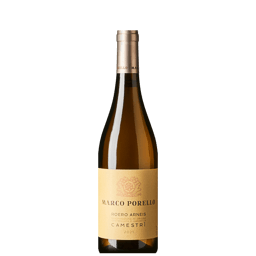 |
Camestri · Roero Arneis DOCG 2025, Marco PorelloMarco Porello, Piedmont € 10,95 14,60 €/L | |||||||||||||||||||||||||||||||||||||||||||||||||||||||||||||||||||||||||||||||||||||||||||||||||