Home Browse: Previous (1) Browse: Next (3) Shop: Cabernet-Sauvignon, Grape variety
Reading: 6 minutes | Listen to podcast: ()
Story: Cabernet-Sauvignon | Grape variety
Page: 2/3

In the mountainous north-west of Italy, Cabernet Sauvignon is particularly at home in the valleys of South Tyrol and Trentino. The alpine conditions with cool nights and temperate days have an effect there: the berries ripen more slowly, which gives the wines elegance and freshness. Typically, the Trentino/Alto Adige Cabernets are somewhat more restrained than their Tuscan counterparts. In the glass, they are medium-bodied with aromas of redcurrants, blackberries and slightly herbaceous notes. Cabernet is often combined with Merlot and Cabernet Franc in classic Bordeaux cuvées in order to delicately envelop the tannins.
Single-varietal Cabernet Sauvignon wines in the DOC category (e.g. Trentino or Alto Adige) are ruby red in color and usually have a subtle green spice or hay note on the nose. They are vinified dry and are characterized by a harmonious acid-tannin balance. When young, these wines often appear leaner and fresher, but can mature for some time thanks to their stable tannin content. They are traditionally enjoyed with South Tyrolean specialties: a Trentino Cabernet Sauvignon is an excellent accompaniment to spicy speck, smoked sausages and strong hard cheeses.
Veneto: fruit and structure from northern Italy
Cabernet Sauvignon also thrives in the Po Valley and the foothills of the Alps (Veneto). Here, the sites are less extreme and the climate is more continental-Mediterranean with hot summers and cool nights. Cabernet is often used in prestigious cuvées with local vines - for example, Corvina and Rondinella are added to Amarone-like blends - or pressed as an IGT wine in its own right. The typical Veneto Cabernets are medium to full-bodied and present aromas of black cherries, ripe blackberries and dark berries, as well as a hint of pepper and Mediterranean herbs. Thanks to the favorable soils (loamy and chalky), the wines remain fresh and balanced despite their strong fruit. In the mouth, they appear structured, with velvety tannins and a balanced acidity profile that supports the fruit.
Abruzzo: Mountain climate and balanced ripeness
The Abruzzo mountains shield the growing region in the center of Italy from extreme weather conditions. The climate combines warm days in the hills with cool nights and sea breezes from the Adriatic, which promotes even ripening. Cabernet Sauvignon plays a subordinate role there, but finds good conditions in the chalky altitudes. The wines typically show ripe, dark fruit (black cherry, blackberry) and often spicy, herbaceous nuances. They have strong, but rather medium-firm tannins and a balanced acidity structure. Overall, Abruzzo Cabernets are full-bodied and offer strong spice - a good basis for ageing and wood maturation.
Sicily: Mediterranean heat and power
In Sicily, Cabernet Sauvignon benefits from the hot, dry Mediterranean climate. The grapes ripen fully under the intense sun, making the wines very full-bodied and deep dark. Intense aromas of ripe blackcurrants, blackberries and plums are typical, often complemented by warm spicy and earthy notes. The result is extremely dense red wines with a high extract and sometimes a high alcohol content. They have distinctive, pithy tannins and well-integrated acidity. In Sicily, Cabernet Sauvignon is predominantly vinified as a single variety (e.g. as “Sicilia DOC” or IGT), often in large wooden barrels or barriques. The wines often have considerable ageing potential. Thanks to their Mediterranean characteristics (such as spicy herbal and tobacco notes), Sicilian Cabernets differ significantly in style from the lush, fruity varieties from warmer New World regions. - Gerardo [TS05/25]
| Name | Cabernet-Sauvignon | |||||||||||||||||||||||||||||||||||||||||||||||||||||||||||||||||||||||||||||||||||||||||||||||||
| Category | Grape Variety | |||||||||||||||||||||||||||||||||||||||||||||||||||||||||||||||||||||||||||||||||||||||||||||||||
 |
Coniale · Cabernet-Sauvignon IGT 2016, Castellare di CastellinaCastellare di Castellina, Tuscany € 58,00 jetzt € 49,99 66,65 €/L | |||||||||||||||||||||||||||||||||||||||||||||||||||||||||||||||||||||||||||||||||||||||||||||||||
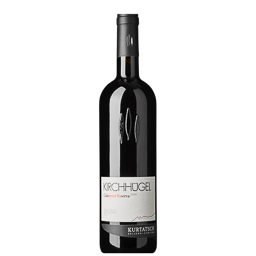 |
Kirchhügel · Cabernet Riserva DOC 2020, Kellerei KurtatschKellerei Kurtatsch, South Tyrol € 21,95 29,27 €/L | |||||||||||||||||||||||||||||||||||||||||||||||||||||||||||||||||||||||||||||||||||||||||||||||||
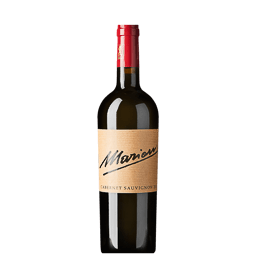 |
Cabernet-Sauvignon IGT 2019, MarionMarion, Veneto € 32,50 43,33 €/L | |||||||||||||||||||||||||||||||||||||||||||||||||||||||||||||||||||||||||||||||||||||||||||||||||
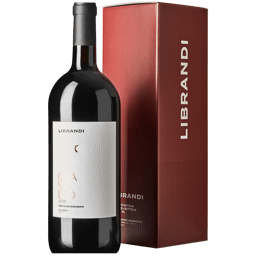 |
Gravello · Rosso MAGNUM IGT 2018 (1er Geschenkbox), LibrandiLibrandi, Calabria € 42,50 28,33 €/L | |||||||||||||||||||||||||||||||||||||||||||||||||||||||||||||||||||||||||||||||||||||||||||||||||
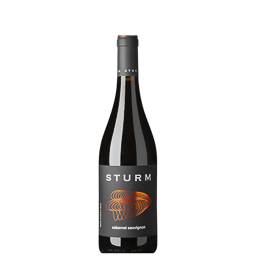 |
Cabernet-Sauvignon DOC 2020, SturmSturm, Friuli € 28,95 38,60 €/L | |||||||||||||||||||||||||||||||||||||||||||||||||||||||||||||||||||||||||||||||||||||||||||||||||
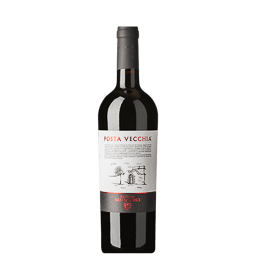 |
Posta Vecchia · Salento Rosso IGT 2022, Cantina San DonaciCantina San Donaci, Puglia € 7,95 10,60 €/L | |||||||||||||||||||||||||||||||||||||||||||||||||||||||||||||||||||||||||||||||||||||||||||||||||