Home Browse: Next (2) Shop: Cabernet-Sauvignon, Grape variety
Reading: 6 minutes | Listen to podcast: ()
Story: Cabernet-Sauvignon | Grape variety
Page: 1/3

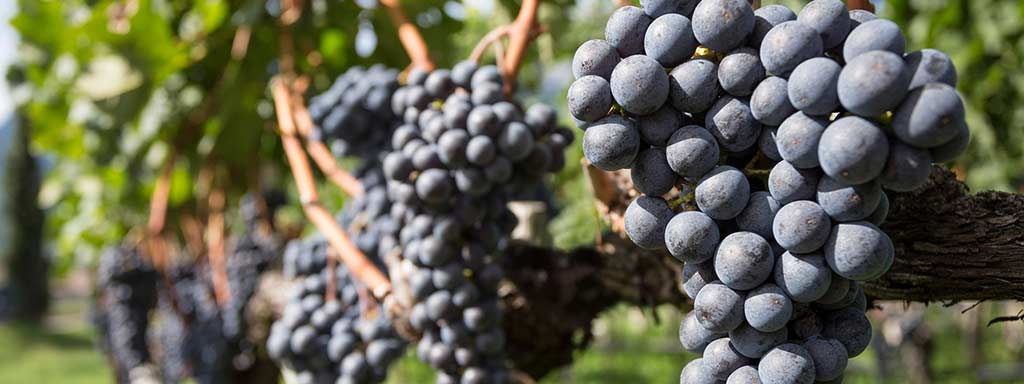
The Cabernet Sauvignon grape is a hybrid grape variety that was originally created by crossing Cabernet Franc, a red grape variety, and Sauvignon Blanc, a white grape variety. This genetic combination explains the complexity and versatility of Cabernet Sauvignon, which is offered both as a single-varietal wine (100% Cabernet Sauvignon) and in blends with other powerful grape varieties. Cabernet Sauvignon is particularly present in blends and is often combined with grapes such as Merlot or Sangiovese to give the wine additional structure and complexity. The wines are characterized by a full body, pronounced acidity and strong tannins, which become softer and more harmonious with age.
The Tuscan Cabernet Sauvignon impresses with ripe aromas of black cherries, which give the wine a fine, sweetish note, as well as intense nuances of blackcurrants. Despite the generally high alcohol content of around 14%, these wines retain a remarkable freshness and acidity. The combination with Sangiovese is particularly exciting, with Cabernet Sauvignon often dominating the blend in large proportions. However, most Tuscan winegrowers strive for a balanced ratio that reflects their individual style. Depending on their origin and ageing, Cabernet Sauvignon wines can be lush and fruity or spicy and smoky. This diversity makes them the ideal accompaniment for strong, grilled meat dishes, peppery sauces and dishes rich in flavor, allowing the wine to develop its full expressive power.
Cabernet Sauvignon in Italy: climate, terroir and style
Cabernet Sauvignon is very widespread worldwide, but in Italy the variety only plays a comparatively small role. Of the approximately 605,000 hectares of vineyards worldwide, around 14,200 hectares are planted with Cabernet Sauvignon - an indication that the variety is more of a niche crop in Italy, despite its international success. The main cultivation areas are in temperate regions such as Tuscany and in cooler areas of northern Italy (Veneto, Trentino-Alto Adige), supplemented by sunny areas in southern Italy (Sicily). The climate shapes the style accordingly: the cooler regions often produce wines with higher acidity and herbaceous notes, while warm locations produce opulent, fruity, full-bodied styles. Although the variety came to Italy as early as the 19th century, it became known primarily through the Super Tuscan movement of the 1970s, when Cabernet Sauvignon was blended with local vines and other Bordeaux varieties to create high-quality cuvées.
Tuscany: Super Tuscan style and Mediterranean terroir
Tuscany is probably the best-known Cabernet growing region in Italy. Here, the warm climate influenced by the sea, together with calcareous and gravelly soils, ensures that the grapes can ripen very well. The famous Supertuscan wines, in which Cabernet Sauvignon is often blended with Sangiovese, Merlot or Cabernet Franc, were created in the coastal areas around Bolgheri and in Maremma in the 1970s. These international cuvées produce deep, dark, complex red wines: they smell of blackcurrants, blackberries and plums, complemented by spicy notes of tobacco and herbs. They typically have a powerful body with firm, fine-grained tannins, which are smoothed by ageing in barriques.
Pure variety Cabernet Sauvignons from Tuscany (often as IGT or DOC “Cabernet Toscana”) show similar characteristics: rich dark fruit, accompanied by vanilla and roasted aromas from the wooden barrel. Bolgheri wines, for example, are an elegant expression of the Tuscan terroir: intense fruit aromas paired with pronounced tannins. In Tuscany, Cabernet wines are generally very full-bodied and structured, with a deep ruby red color and a bouquet of cassis, cherry and light spicy notes (such as cedar, tobacco and leather). The best Tuscan Cabernets have a high ageing potential due to their strong acidity and barrique ageing. - Gerardo [TS05/25]
| Name | Cabernet-Sauvignon | |||||||||||||||||||||||||||||||||||||||||||||||||||||||||||||||||||||||||||||||||||||||||||||||||
| Category | Grape Variety | |||||||||||||||||||||||||||||||||||||||||||||||||||||||||||||||||||||||||||||||||||||||||||||||||
 |
Rungg · Merlot Cabernet DOC 2021, Kellerei TraminKellerei Tramin, South Tyrol € 17,50 23,33 €/L | |||||||||||||||||||||||||||||||||||||||||||||||||||||||||||||||||||||||||||||||||||||||||||||||||
 |
Andritz · Collio Rosso DOC 2015 (6er Holzkiste), SturmSturm, Friuli € 390,00 86,67 €/L | |||||||||||||||||||||||||||||||||||||||||||||||||||||||||||||||||||||||||||||||||||||||||||||||||
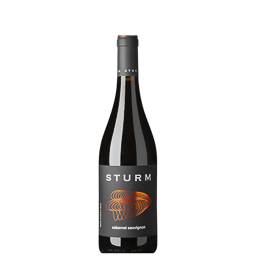 |
Cabernet-Sauvignon DOC 2020, SturmSturm, Friuli € 28,95 38,60 €/L | |||||||||||||||||||||||||||||||||||||||||||||||||||||||||||||||||||||||||||||||||||||||||||||||||
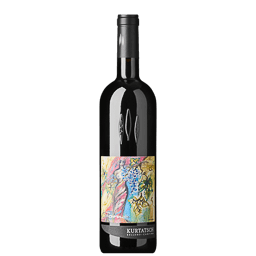 |
Soma · Merlot-Cabernet DOC 2023, Kellerei KurtatschKellerei Kurtatsch, South Tyrol € 27,95 37,27 €/L | |||||||||||||||||||||||||||||||||||||||||||||||||||||||||||||||||||||||||||||||||||||||||||||||||
 |
Lafòa · Cabernet-Sauvignon DOC 2022, SchreckbichlSchreckbichl, South Tyrol € 74,95 99,93 €/L | |||||||||||||||||||||||||||||||||||||||||||||||||||||||||||||||||||||||||||||||||||||||||||||||||
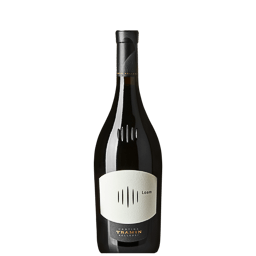 |
Loam · Cabernet-Merlot Riserva DOC 2021, Kellerei TraminKellerei Tramin, South Tyrol € 46,95 62,60 €/L | |||||||||||||||||||||||||||||||||||||||||||||||||||||||||||||||||||||||||||||||||||||||||||||||||