
Story: Casa d' Ambra | Campania
Page: 1/1

Ischia is so rich in grapes and vines that the island was already considered a reliable supplier of wine in ancient times. Archaeological and linguistic evidence suggests that even the name “Ischia” is linked to viticulture. The Romans called the island Aenaria, derived from the Greek oinaria, which means “land of vines and grapes”. Other names such as Inarim, which appear in poets such as Virgil and Ovid, are also said to refer to the vine.
The famous inscription on the so-called Nestor cup - an archaic vessel discovered on the island in 1954 - is significant evidence of early viticulture on Ischia. This inscription not only praises the local wine, but also proves that Greek settlers were already cultivating wine on Ischia in the 8th century BC. The beautiful, volcanic landscape, the Mediterranean climate and the mineral, nutrient-rich soil - especially around Monte Epomeo with its typical green tufa - have had a decisive influence on the island's wine-growing tradition to this day.
Angeli matti - the “crazy angels” of viticulture
The geographical remoteness and steep topography of the island have contributed to the development of a unique wine-growing culture on Ischia - with indigenous grape varieties, a special microclimate and an unmistakable style. However, it is precisely these conditions that make viticulture extremely challenging. Steep slopes, inaccessible plots and a lack of mechanization mean that all work in the vineyard is purely manual.
In addition, there are structural problems that many Italian wine regions are familiar with: demographic change, rising production costs and the loss of agricultural land. Nevertheless, many winegrowers hold on to this centuries-old tradition out of conviction. In professional circles, they have therefore been affectionately referred to as “angeli matti” - crazy angels. It takes a certain amount of madness to dedicate yourself to viticulture under these conditions - and at the same time as much idealism and dedication as an angel to create something great in harmony with nature.
Grape harvest on Ischia - a real adventure
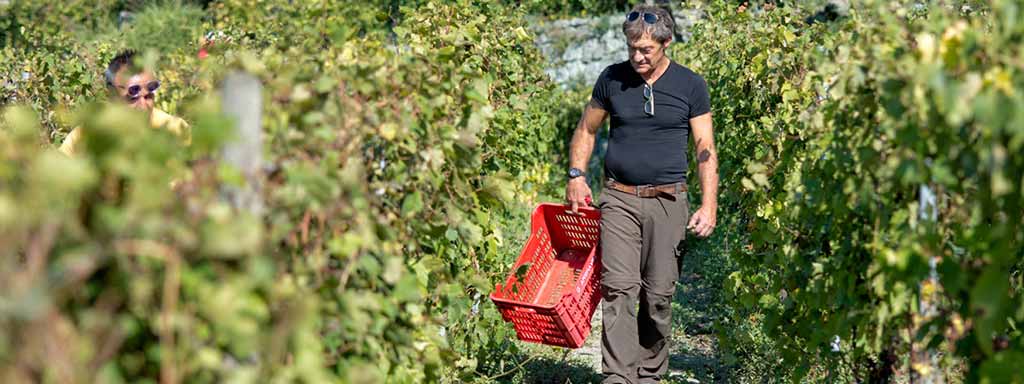
The grape harvest on Ischia usually begins at the end of September and lasts until the beginning of October. Some vineyards are harvested earlier or later, depending on altitude, sunshine and grape variety. What all vineyards have in common is that the harvest is carried out exclusively by hand. The delicate grapes are transported in small crates to ensure that they reach the cellar intact. In particularly steep sections, so-called monorotaia - small monorails - are used to make the work of the harvesters easier.
At Casa d'Ambra, the most traditional winery on the island, the grapes are processed with particular care. The aim is to bring out the fine, delicate aromas of the white wines - delicate floral notes and an elegant almond aroma are characteristic of Ischia. This stylistic clarity has earned the island's wines a great deal of recognition. The wines were awarded DOC status back in 1966 on the initiative of the brothers Michele and Salvatore d'Ambra - a milestone for quality viticulture on Ischia.
Casa d'Ambra - the heart of Ischitanian viticulture
At the foot of Monte Epomeo, nestled in a natural amphitheater, is the modern Casa d'Ambra winery - a perfect place to combine tradition with innovation. All the grapes from the estate's own vineyards and from around 100 contract winegrowers are processed here on an area of 3,500 square meters. The temperature-controlled fermentation cellar forms the heart of the winery. This is where the second part of the winemaking process begins after the harvest: fermentation, maturation and bottling.
The white wines are mainly fermented in stainless steel tanks with a total volume of up to 10,000 hectoliters in order to preserve their freshness and typicity. Large and small wooden barrels are used for the red wines, including barriques with a volume of up to 300 hectoliters. The daily processing volume is up to 80 tons for white wine grapes and 25 tons for red varieties - impressive figures for a small island region.
Today, Casa d'Ambra is not only the oldest, but also the most important winery in Ischia. The winery is a symbol of resistance to the challenges of modernity and a beacon for the future of viticulture on the island. The wines produced here - especially from the indigenous grape varieties Biancolella, Forastera and Per' e Palummo - embody the spirit of Ischia: strong in character, original and deeply connected to the landscape. - Gerardo [TS04/25]
 © www.dambravini.com
| Name | Casa D' Ambra | |||||||||||||||||||||||||||||||||||||||||||||||||||||||||||||||||||||||||||||||||||||||||||||||||
| Category | Campania | |||||||||||||||||||||||||||||||||||||||||||||||||||||||||||||||||||||||||||||||||||||||||||||||||
| Founding Year | 1888 | |||||||||||||||||||||||||||||||||||||||||||||||||||||||||||||||||||||||||||||||||||||||||||||||||
| Owner | Andrea D'Ambra | |||||||||||||||||||||||||||||||||||||||||||||||||||||||||||||||||||||||||||||||||||||||||||||||||
| Oenologist | Andrea D'Ambra | |||||||||||||||||||||||||||||||||||||||||||||||||||||||||||||||||||||||||||||||||||||||||||||||||
| Annual Production (Btls) | 500.000 | |||||||||||||||||||||||||||||||||||||||||||||||||||||||||||||||||||||||||||||||||||||||||||||||||
| Vineyard Area (Hectare) | 18 | |||||||||||||||||||||||||||||||||||||||||||||||||||||||||||||||||||||||||||||||||||||||||||||||||
| Additional Purchase | 80% | |||||||||||||||||||||||||||||||||||||||||||||||||||||||||||||||||||||||||||||||||||||||||||||||||
| Cultivation | Conventional | |||||||||||||||||||||||||||||||||||||||||||||||||||||||||||||||||||||||||||||||||||||||||||||||||
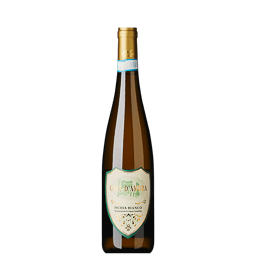 |
Ischia Bianco DOC 2024, Casa D'AmbraCasa D'Ambra, Campania € 10,95 14,60 €/L | |||||||||||||||||||||||||||||||||||||||||||||||||||||||||||||||||||||||||||||||||||||||||||||||||
 |
Vigna dei Mille Anni · Ischia Per' e Palummo DOC 2016 (3er Holzkiste), Casa D'AmbraCasa D'Ambra, Campania € 79,95 35,53 €/L | |||||||||||||||||||||||||||||||||||||||||||||||||||||||||||||||||||||||||||||||||||||||||||||||||
|
Mario D'Ambra · Ischia Rosso DOC 2017, Casa D'AmbraCasa D'Ambra, Campania € 19,95 jetzt € 17,99 23,99 €/L | |||||||||||||||||||||||||||||||||||||||||||||||||||||||||||||||||||||||||||||||||||||||||||||||||
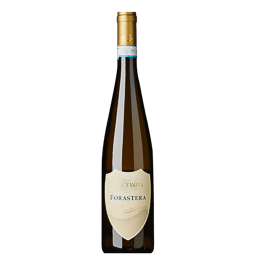 |
Ischia Forastera DOC 2018, Casa D'AmbraCasa D'Ambra, Campania € 14,95 19,93 €/L | |||||||||||||||||||||||||||||||||||||||||||||||||||||||||||||||||||||||||||||||||||||||||||||||||
|
Falanghina Campania DOC 2022, Casa D'AmbraCasa D'Ambra, Campania € 7,95 10,60 €/L | |||||||||||||||||||||||||||||||||||||||||||||||||||||||||||||||||||||||||||||||||||||||||||||||||
|
Mario D'Ambra · Ischia Rosso DOC 2019, Casa D'AmbraCasa D'Ambra, Campania € 19,95 jetzt € 17,99 23,99 €/L | |||||||||||||||||||||||||||||||||||||||||||||||||||||||||||||||||||||||||||||||||||||||||||||||||


