Story: Puglia | Wine region
Page: 1/5
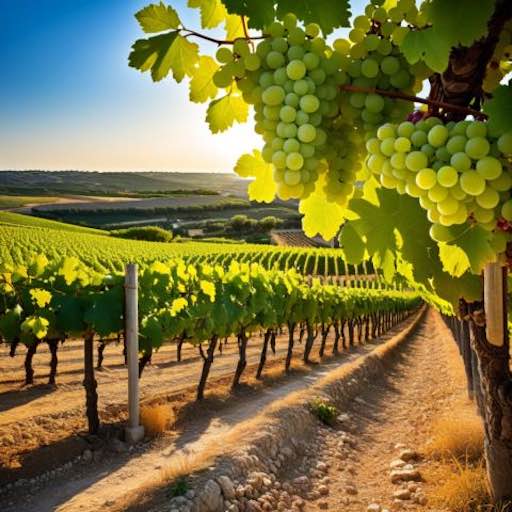
Apulia, known as Puglia in Italian, is located in the southeast of the country and forms the distinctive “heel” of the Italian boot. The wine-growing region there has an incredibly long tradition: the Phoenicians and Greeks are said to have cultivated the first vines in this region over 3,000 years ago. During Roman times, the vineyards of Apulia were among the most prized growing areas, and the region was even poetically glorified as a place of “eternal spring.” For centuries, however, a large part of the harvest was not used for premium wine production, but was used as bulk wine, must concentrate, or in the production of vermouth. It is only in recent decades that a profound change has taken place, with many winegrowers increasingly focusing on quality and introducing modern cellar technologies.
Geographical features, climate, and wine-growing areas
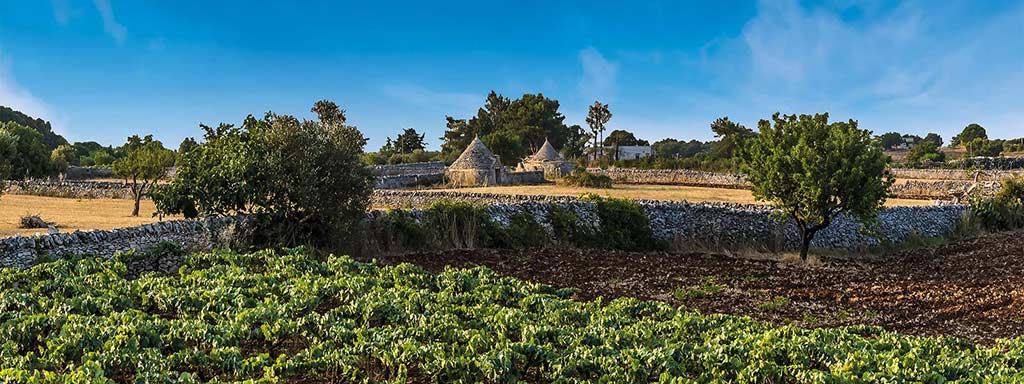
Geographically, Apulia is dominated by wide plains and rolling hills rather than striking mountain ranges—a distinctive feature compared to many other Italian wine regions. Nestled between the Adriatic and Ionian Seas, the region benefits from a very Mediterranean climate: hot, dry summers, mild winters, and stable sunshine characterize the year. At the same time, sea breezes, especially along the coasts, provide welcome nighttime cooling, which helps the vines retain their acidity. The vineyards in Apulia are among the largest in Italy: estimates range from around 100,000 to over 107,000 hectares. This enormous area makes Apulia one of the leading regions in terms of wine production volume.
Commonly grown grape varieties and why
Red grape varieties dominate in Apulia - around 80% of vineyards are planted with red grapes. Among the red varieties, Primitivo, Negroamaro, and Nero di Troia play a particularly important role. These indigenous grapes are ideally suited to the hot, sunny climate: Primitivo ripens early and produces strong, ripe fruit, while Negroamaro, with its dark color and characteristic bitterness, adds structure. Other red varieties such as Aglianico, Aleatico, Malvasia Nera, and Susumaniello are also native to Apulia. The range of white grape varieties is smaller, but not insignificant. Varieties such as Bombino Bianco, Fiano, Verdeca, but also international vines such as Chardonnay and Sauvignon Blanc are cultivated. As demand for white wines has also increased in recent years, winemakers are increasingly experimenting with these grape varieties.
Noteworthy wines or wine specialties
Apulia is home to several wines that are proudly presented locally and appreciated internationally. Primitivo di Manduria is probably one of the best known: a very velvety, rich red wine with ripe fruit notes that impressively demonstrates the potential of this region. Another big name is Salice Salentino DOC, whose wines, mostly based on Negroamaro, are often dark, spicy, and structured. Also particularly noteworthy is Aleatico di Puglia, a dessert wine in which the grapes are partially dried on the vine (appassimento) before being processed into naturally sweet or liqueur-like wines. In addition, there are DOC regions such as San Severo, where white and frizzante wines are also produced. - Gerardo [TS12/25]
| Name | Puglia | |||||||||||||||||||||||||||||||||||||||||||||||||||||||||||||||||||||||||||||||||||||||||||||||||
| Category | Wine Region | |||||||||||||||||||||||||||||||||||||||||||||||||||||||||||||||||||||||||||||||||||||||||||||||||
| Vineyard Area (Hectare) | 100.000 | |||||||||||||||||||||||||||||||||||||||||||||||||||||||||||||||||||||||||||||||||||||||||||||||||
| Grape Varieties | Primitivo, Negroamaro, Malvasia Nera, Bombino Nero, Nero Di Troia, Malvasia Bianca, Bombino Bianco, Chardonnay, Fiano, Verdeca, Sauvignon | |||||||||||||||||||||||||||||||||||||||||||||||||||||||||||||||||||||||||||||||||||||||||||||||||
| Capital | Bari | |||||||||||||||||||||||||||||||||||||||||||||||||||||||||||||||||||||||||||||||||||||||||||||||||
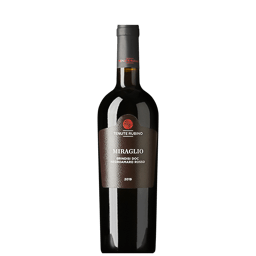 |
Miraglio · Brindisi Negroamaro DOC 2021, Tenute RubinoTenute Rubino, Puglia € 9,95 13,27 €/L | |||||||||||||||||||||||||||||||||||||||||||||||||||||||||||||||||||||||||||||||||||||||||||||||||
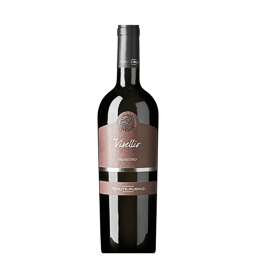 |
Visellio · Primitivo Salento IGT 2016, Tenute RubinoTenute Rubino, Puglia € 24,95 33,27 €/L | |||||||||||||||||||||||||||||||||||||||||||||||||||||||||||||||||||||||||||||||||||||||||||||||||
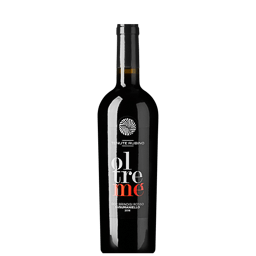 |
Oltremé · Susumaniello IGT 2021, Tenute RubinoTenute Rubino, Puglia € 10,95 14,60 €/L | |||||||||||||||||||||||||||||||||||||||||||||||||||||||||||||||||||||||||||||||||||||||||||||||||
 |
Primitivo Salento IGT 2022, RiveraRivera, Puglia € 7,95 jetzt € 7,49 9,99 €/L | |||||||||||||||||||||||||||||||||||||||||||||||||||||||||||||||||||||||||||||||||||||||||||||||||
 |
Crè · Fiano Minutolo IGP 2022, VetrèreVetrère, Puglia € 11,95 15,93 €/L | |||||||||||||||||||||||||||||||||||||||||||||||||||||||||||||||||||||||||||||||||||||||||||||||||
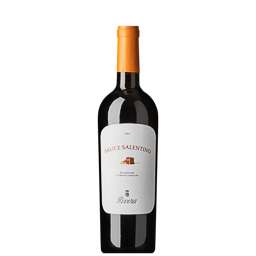 |
Salice Salentino DOC 2021, RiveraRivera, Puglia € 7,50 jetzt € 6,99 9,32 €/L | |||||||||||||||||||||||||||||||||||||||||||||||||||||||||||||||||||||||||||||||||||||||||||||||||