
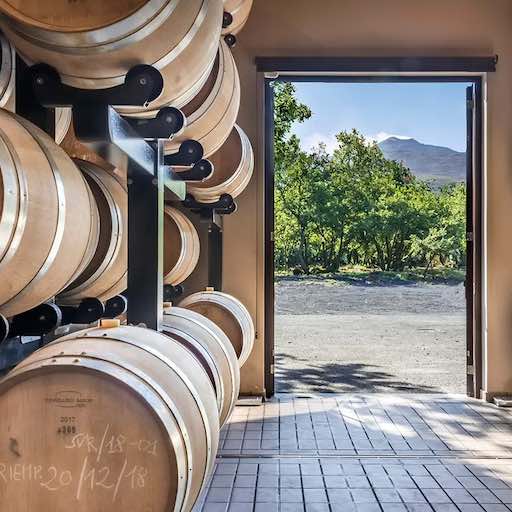
 Wine from Etna | Classic
|
Wine from Etna | Classic
Mount Etna is not only the highest mountain in Sicily, but also Europe's most active volcano - a fascinating natural phenomenon that has shaped the landscape and viticulture of the region for thousands of years. Even in ancient times, the inhabitants of Sicily were aware of the exceptional soils and the special microclimate of this unique terroir. The area has been classified as a DOC since 1968, and the regulations were updated in 2014 to better define the high quality of the wines.
The Etna wine-growing area extends at an altitude of between 450 and 1,100 meters above sea level and mainly comprises the northern, eastern and southern slopes of the volcano. The highest vineyards are therefore among the highest in Italy. The region's finest red wines grow particularly in the north, around Randazzo, while the best white wines are produced in the east, for example near Milo. Due to the steep slopes, cultivation often takes place in traditional terraced vineyards, which characterize the landscape and require careful, almost laborious manual work.
The volcanic terroir is the key to the uniqueness of Etna wines. The soils consist of lava, ash and sand and are extremely rich in minerals. They provide the vines with natural drainage, which promotes deep rooting and gives the wines an impressive complexity. The constant volcanic activity also means that the soil is continually renewed and naturally influences the growth of the vines.
After a long period of relative neglect, the wine world has rediscovered the immense potential of Etna in recent decades. Today, the region is one of the most exciting and dynamic wine-growing areas in Italy. In particular, indigenous grape varieties such as Nerello Mascalese and Nerello Cappuccio for red wines and Carricante for white wines are at the heart of production. These grape varieties produce elegant, mineral wines that impress with their finesse and longevity.
Despite its growing popularity, viticulture on Mount Etna remains an exclusive affair. The cultivated areas cover less than 1,000 hectares - a tiny number compared to other large wine-growing regions in Italy. But it is precisely this limitation that makes it so attractive: Each wine tells the story of an extraordinary terroir, characterized by fire and earth, tradition and innovation. Today, Etna is not only a geological sensation, but also an oenological one. - Gerardo [04/25]
"Etna is not only currently spitting fire again, it is also considered a hotspot of Italy's wine regions. The Etna wine region provides the basis for exceptional wines." - Falstaff
"Since then, Etna has virtually been considered the cool-climate region of the south. The very unique combination of volcanic soils and altitude - at 3400 meters, Etna is the highest volcano in Europe - creates finesse-rich wines with a pronounced salty-mineral flavor." - Falstaff
Region: Sicily Classic: Vulcanic Wines

Region: Sicily Classic: Vulcanic Wines
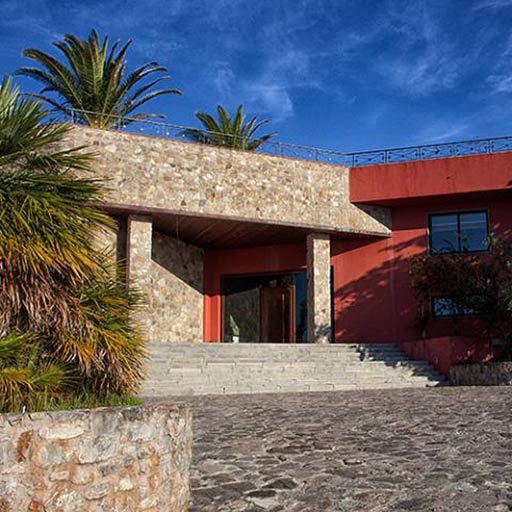
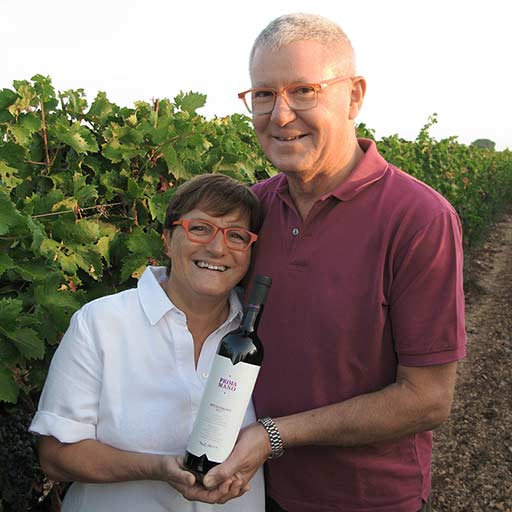
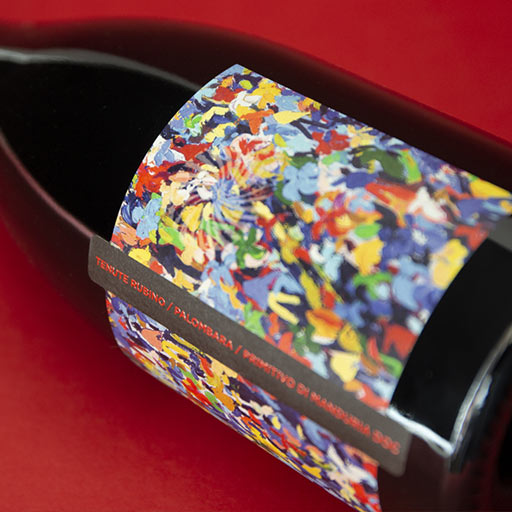
Wine from Etna | Classic | Buy at Gerardo
The vineyards around Mount Etna can almost be called their own wine region, so distinctive and unique are the wines from there. The strength is clearly in the white wines, which stand out for their salty taste and mineral notes reminiscent of flint. The red wines are somewhat in the background of the great whites, but are not to be despised: Etna Rosso are rather light-bodied drops, so very different from some opulent red Sicilians. The red wines from Etna all have something Burgundy-like in common, which is due to the relatively cool climate and the grape variety Nerello Mascalese.
After pioneers such as Giuseppe Benanti or the Belgian Frank Cornelissen, long-established wineries on the island have also recognized the quality potential of Etna and acquired vineyards. Today, the who's who of the wine scene can be found at the foot of the volcano, from Tasca d'Amerita to Planeta and Cusumano to Donnafugata, all of them are represented at the 'Fire Mountain'. - Gerardo [TS09/22]