Story: Falkenstein | South Tyrol
Page: 1/1
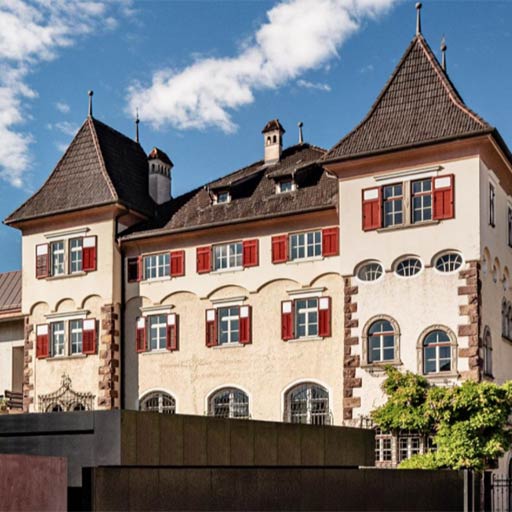
The roots of the winery go back to the long history of the Pratzner family in Naturns. The family has been rooted in this region for over two centuries. The decision to focus more on viticulture and reduce apple cultivation from 1989 onwards was a bold turning point. Franz and Bernadette Pratzner invested in the expansion of the wine business, laying the foundation for today's winery. From the very beginning, their approach was characterized by manual labor, meticulous care in the vineyard, and the desire to produce authentic wines that express the terroir of their homeland.
Location, climate, and terroir
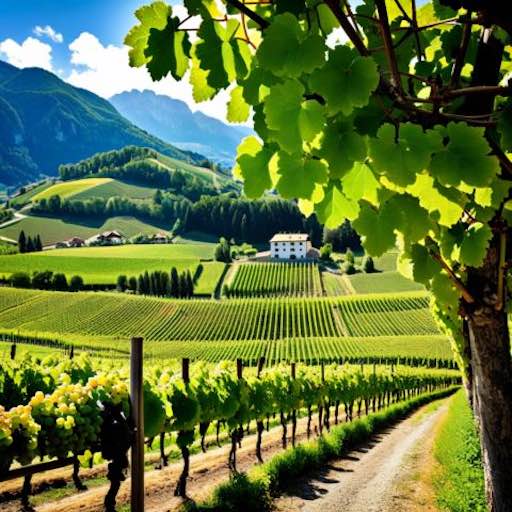
The Falkenstein winery is located on terraced slopes of the Naturns Sonnenberg, at altitudes between 600 and 900 meters. The climate is dry and windy: during the day, the sun shines intensely, while at night, fall winds bring cool air to the vineyards. The soils consist of sandy moraines enriched with minerals such as gneiss, slate, granite, mica, and quartz—relics of the geological history of the Vinschgau Valley. This combination of extremely sunny location, mineral-rich soils, and alpine climate forms an ideal basis for wines with structure, freshness, and a pronounced mineral backbone.
Wine philosophy and cellar technology
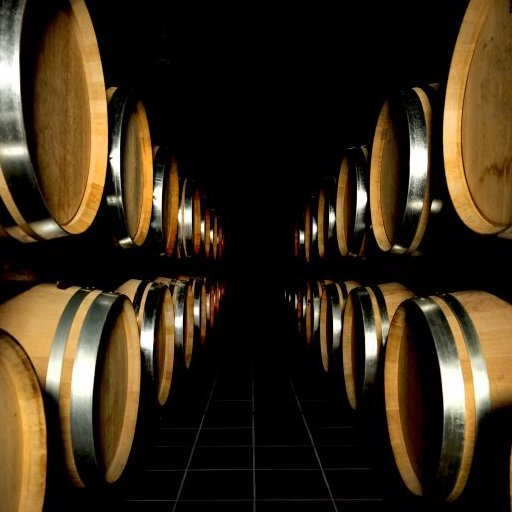
At the Falkenstein Winery, the philosophy of patience, mindfulness, and respect for nature is deeply rooted. All work in the vineyard is done primarily by hand; machines are used only as support. Wine production focuses on careful aging: white wines mature in large acacia wood barrels, while French barriques are used for Pinot Noir. After fermentation, the wines undergo at least 365 days of bottle aging, developing a creamy aroma and elegant depth. This slow, careful process allows the special characteristics of the terroir to come into their own.
Assortment and characteristic grape varieties
Falkenstein mainly cultivates white wine varieties on its 14 hectares of vineyards: Riesling (6 hectares), Pinot Blanc (3 hectares), Sauvignon (1.5 hectares), and Gewürztraminer (1.5 hectares). In addition, there is Pinot Noir on about 2 hectares. The planting density is high - around 9,000 to 13,000 vines per hectare - which promotes a dense grape structure and enables intense aromatics. Some wines come from special single vineyards, such as the “Riesling Alte Rebe” or the Pinot Noir “St. Ursula.” These vineyards bridge the gap between classic and terroir-driven wine profiles and testify to the diversity and depth of the range.
A special highlight: the Riesling “Anadûron”
A highlight in Falkenstein's portfolio is the Riesling “Anadûron.” This selection is made from grapes grown in higher-altitude vineyards and is characterized by a very special aroma: orange peel, peach, and a pronounced minerality combine with floral nuances and structured acidity. The wine is aged in acacia wood barrels, which gives it a subtle creaminess, while bottle aging adds additional dimensions to its depth and complexity. “Anadûron” is a powerful, elegant interpretation of Riesling that impressively reflects the terroir of Falkenstein.
Significance for the region and outlook
Falkenstein is more than just a winery—it is a symbol of the successful combination of tradition, nature, and modern quality orientation in South Tyrolean viticulture. Through their work, the Pratzner family contributes to the preservation of the terraced steep slopes of the Vinschgau Valley and produces wines that are regionally rooted yet internationally appealing. With the expansion of its vineyards, the constant care of its vineyards, and the expansion of its wine shop and distillery, Falkenstein sets standards for sustainability, authenticity, and future orientation. The continuation of the family tradition in the coming generations promises exciting developments - whether through new selections, increased attention to site character, or the expansion of its grappa production. - Gerardo [TS12/25]

| Name | Falkenstein | |||||||||||||||||||||||||||||||||||||||||||||||||||||||||||||||||||||||||||||||||||||||||||||||||
| Category | South Tyrol | |||||||||||||||||||||||||||||||||||||||||||||||||||||||||||||||||||||||||||||||||||||||||||||||||
| Founding Year | Gründung | |||||||||||||||||||||||||||||||||||||||||||||||||||||||||||||||||||||||||||||||||||||||||||||||||
| Owner | Inhaber | |||||||||||||||||||||||||||||||||||||||||||||||||||||||||||||||||||||||||||||||||||||||||||||||||
| Oenologist | Önologe | |||||||||||||||||||||||||||||||||||||||||||||||||||||||||||||||||||||||||||||||||||||||||||||||||
| Annual Production (Btls) | Jahresproduktion | |||||||||||||||||||||||||||||||||||||||||||||||||||||||||||||||||||||||||||||||||||||||||||||||||
| Vineyard Area (Hectare) | Hektar | |||||||||||||||||||||||||||||||||||||||||||||||||||||||||||||||||||||||||||||||||||||||||||||||||
| Additional Purchase | Zukauf | |||||||||||||||||||||||||||||||||||||||||||||||||||||||||||||||||||||||||||||||||||||||||||||||||
| Cultivation | Anbau | |||||||||||||||||||||||||||||||||||||||||||||||||||||||||||||||||||||||||||||||||||||||||||||||||