Home Browse: Start (1) Browse: Previous (4) Shop: Emilia-Romagna, Wine region
Reading: 8 minutes | Listen to podcast: ()
Story: Emilia-Romagna | Wine region
Page: 5/5
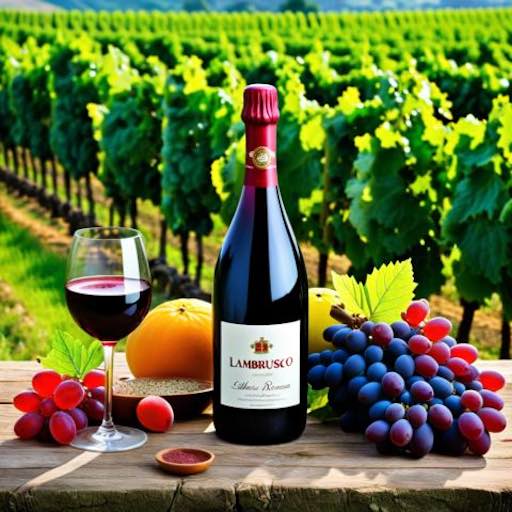
When you think of winegrowing in Emilia-Romagna, a vivid image immediately springs to mind: rolling hills, historic villages, and a fruity, sparkling red wine in your glass that embodies a unique attitude to life. This wine is Lambrusco, a distinctive wine specialty that is deeply rooted in the region and has long been much more than just the sparkling “pop wine” that many people have in mind.
Origin, terroir, and viticulture
Lambrusco is traditionally produced in Emilia-Romagna, primarily in the provinces of Modena, Reggio Emilia, and Parma. According to the region's tourism portal, the growing area extends across sunny slopes where the typical grape varieties of the Lambrusco family thrive. The climate is temperate Mediterranean, which, combined with the unique soil structure, provides ideal conditions for lively, fresh wines. The soils often consist of a mixture of clay and limestone, which on the one hand provides the vines with sufficient nutrients, but on the other hand also ensures the necessary water drainage capacity - an important factor for the vitality of Lambrusco grapes.
History and evolution of Lambrusco
The history of Lambrusco goes back a long way. Even in ancient times, there were references to a certain wild grapevine that is considered the precursor to today's Lambrusco varieties. In Emilia-Romagna, the wine gained in importance over the centuries, but became particularly popular worldwide in the second half of the 20th century. Production exploded in the 1960s and 1970s, mainly due to demand from the mass market. During this period, Lambrusco was often associated with sweet, slightly sparkling wines that offered little depth. However, the last few decades have seen a renaissance, with more and more winemakers focusing on high-quality, dry or semi-dry versions with classic effervescence.
Character, style, and taste
Lambrusco is essentially a fresh, lively sparkling wine—usually red, sometimes rosé, and available in various degrees of sweetness. Its aromas often range from red fruits such as strawberries, cherries, and berries to floral notes of violets, giving the wine an incredibly charming lightness. On the palate, Lambrusco displays a freshness that surprises many: it is not overly alcoholic, but scores with a pleasant, slightly sparkling mouthfeel and a balanced acidity. Depending on the variety, it can be dry - with a clear structure and moderate residual sugar - or sweet, with a gentle sweetness.
Significant varieties and regional diversity
Emilia-Romagna is home to different styles of Lambrusco, as there are several varieties that differ in grape variety, taste, and style. Among the best known are Lambrusco di Sorbara, Grasparossa, Salamino, and Ancellotta-based cuvées. Each of these varieties has its own personality: Sorbara is often particularly elegant and light, while Grasparossa is more powerful and tannic. This diversity makes Lambrusco a versatile wine that can be enjoyed young and fresh, but also in finer versions for more mature moments of enjoyment.
An outstanding producer: Medici Ermete
When talking about Lambrusco in Emilia-Romagna, there is no getting around Medici Ermete. This traditional winery from Reggio Emilia is an institution in the Lambrusco sector. Its “Concerto Lambrusco Reggiano,” a dry Lambrusco, is considered its flagship wine and has won the prestigious “Tre Bicchieri” award several times. What sets Medici Ermete apart is its combination of historical roots and modern quality standards. The family preserves the heritage of the region while at the same time producing wines that go far beyond the old cliché of sweet, “easy-drinking” Lambrusco through careful cellar work and mature technology.
Cultural context and significance for the region
In Emilia-Romagna, Lambrusco is more than just a wine: it is deeply interwoven with culinary and social traditions. In this region, which is known for its rich cuisine—think Parma ham, Parmesan cheese, and delicious pasta—Lambrusco is the perfect accompaniment to hearty dishes. In addition, the Lambrusco producers' community has become more organized in recent years to promote quality. According to Falstaff, various producer associations have joined forces to modernize the perception of Lambrusco and set quality standards.
Conclusion: Lambrusco - lively, complex, typical of Emilia-Romagna
Lambrusco is much more than a sparkling, fun wine - it is a lively expression of Emilia-Romagna, its soils, its climate, and its culture. From its history in the vineyards of Modena and Reggio Emilia to modern, dry interpretations by winemakers such as Medici Ermete, every sip tells a story of tradition, change, and passion. If you want to gain a real insight into the heart of this region, you can't go past a glass of Lambrusco - best served well chilled, with friends, and with a hearty dinner. - Gerardo [TS12/25]
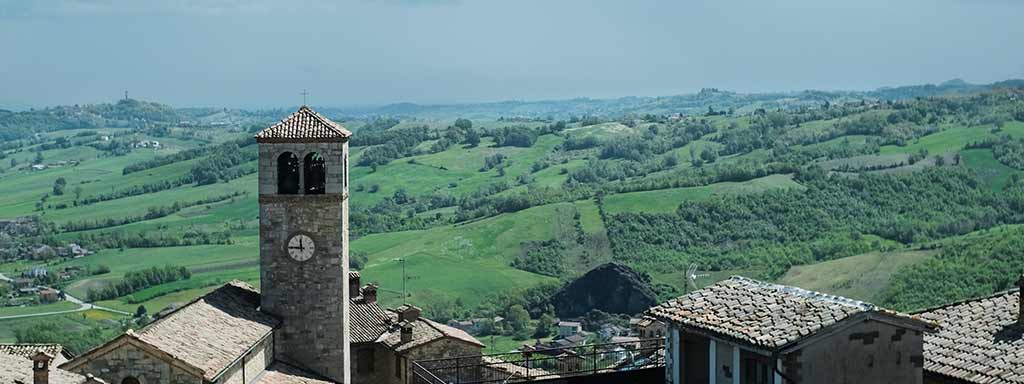
| Name | Emilia-Romagna | |||||||||||||||||||||||||||||||||||||||||||||||||||||||||||||||||||||||||||||||||||||||||||||||||
| Category | Wine Region | |||||||||||||||||||||||||||||||||||||||||||||||||||||||||||||||||||||||||||||||||||||||||||||||||
| Vineyard Area (Hectare) | 58.000 | |||||||||||||||||||||||||||||||||||||||||||||||||||||||||||||||||||||||||||||||||||||||||||||||||
| Grape Varieties | Lambrusco, Sangiovese, Barbera, Bonarda, Trebbiano, Malvasia, Moscato, Sauvignon | |||||||||||||||||||||||||||||||||||||||||||||||||||||||||||||||||||||||||||||||||||||||||||||||||
| Capital | Bologna | |||||||||||||||||||||||||||||||||||||||||||||||||||||||||||||||||||||||||||||||||||||||||||||||||