Story: Campania | Wine region
Page: 1/5
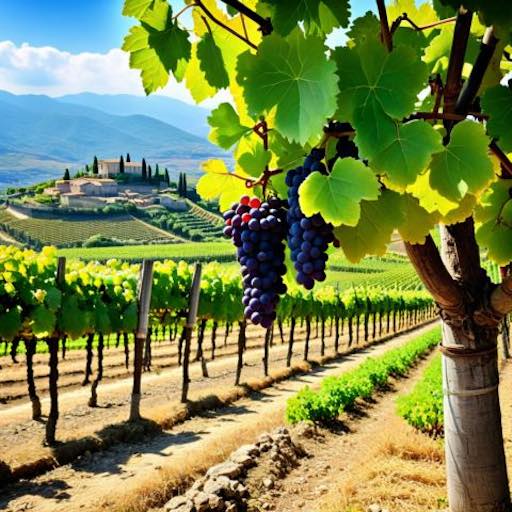
Campania—once known in Latin as Campania felix (“happy land”)—is one of Italy's oldest wine-growing regions and looks back on a long and eventful history. Even before Roman rule, Etruscan cultures cultivated wine here, and later Greek colonists planted new grape varieties before the Romans perfected viticulture. In ancient Rome, wines from Campania - for example, from areas around Vesuvius or the coast - were among the most sought-after in the empire, with wines such as the legendary Falernum enjoying the highest reputation. After economic and political upheavals, the region temporarily lost its importance - but today Campania is experiencing a renaissance as the origin of sophisticated, terroir-driven wines of great diversity.
Geographical features, climate, and wine-growing areas
Campania's geographical diversity is impressive: The vineyards stretch along the Tyrrhenian coast, at the foothills of the Apennines, along steep coasts such as the Amalfi Coast, and up to the slopes of the famous Vesuvius. The soils are strongly influenced by volcanism — volcanic ash, tuff, and mineral-rich earth mix with alluvial soil and calcareous structures, giving the wine a special minerality. The climate is dominated by Mediterranean influences: mild winters, hot summers, intense sunshine, and the influence of the sea — at the same time, the mountains and high altitudes provide nighttime cooling, allowing the grapes to ripen slowly and produce wines that are more aromatic and acidic. Depending on the source, Campania's vineyard area covers approximately 25,000 to over 40,000 hectares.
Commonly grown grape varieties and why
Campania is dominated by indigenous grape varieties—both red and white—as these have been perfectly adapted to the climate, soil, and geography of the region for centuries. The red grape variety Aglianico in particular is considered an icon of Campania: it produces powerful, structured, and long-lasting wines, especially on the volcanic slopes around Avellino or Benevento. Other red varieties include Piedirosso, Sciascinoso, and other regional variants that thrive mainly in lower or coastal locations. On the white side, the focus is on grape varieties such as Fiano, Greco di Tufo (or Greco Bianco), Falanghina, Coda di Volpe, and other local white wines. These vines produce fresh, mineral, and aromatically refined wines—ideal for the Mediterranean climate and perfect with fish, seafood, or light cuisine. The combination of volcanic soils, Mediterranean climate, and the diversity of micro-locations allows winemakers to produce very different types of wine — from strong and structured to light, fresh, and mineral.
Noteworthy wines or wine specialties
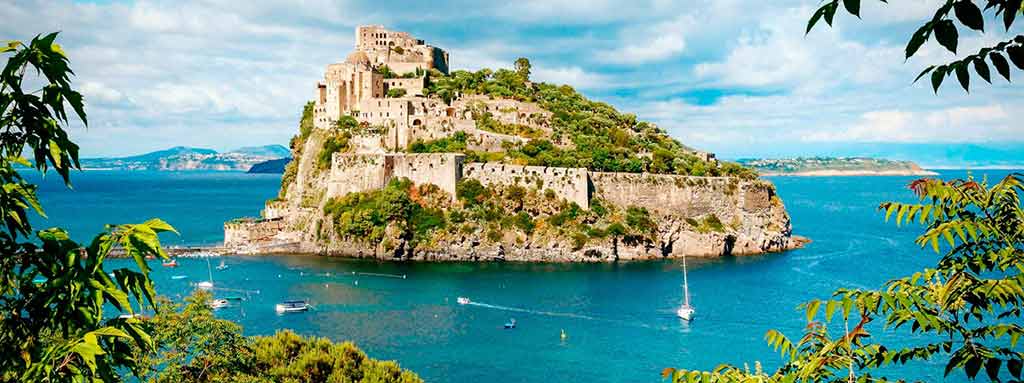
Among the many wines of Campania, a few stand out in particular: Taurasi—a red wine made from Aglianico grapes—is one of Italy's finest and has received the highest recognition as a DOCG wine. Its powerful structure, density, and aging potential allow it to compete with legends such as Barolo and Brunello. On the white side, Fiano di Avellino and Greco di Tufo are highly regarded. Fiano is fresh, elegant, and has delicate aromas of fruit and herbs — often drunk young, it unfolds its strengths particularly well in combination with Mediterranean dishes. Minimalist, expressive white wines from coastal areas and islands—such as old vineyards on the Amalfi Coast or offshore islands—often have a salty, mineral note, reflecting the influence of the sea and volcanic soils. Less well-known wine regions, such as those around Vesuvius or islands such as Ischia and Capri, also produce exciting, terroir-driven wines that go far beyond simple everyday quality. - Gerardo [TS12/25]
| Name | Campania | |||||||||||||||||||||||||||||||||||||||||||||||||||||||||||||||||||||||||||||||||||||||||||||||||
| Category | Wine Region | |||||||||||||||||||||||||||||||||||||||||||||||||||||||||||||||||||||||||||||||||||||||||||||||||
| Vineyard Area (Hectare) | 41.000 | |||||||||||||||||||||||||||||||||||||||||||||||||||||||||||||||||||||||||||||||||||||||||||||||||
| Grape Varieties | Aglianico, Sangiovese, Casavecchia, Greco, Fiano, Malvasia, Falanghina | |||||||||||||||||||||||||||||||||||||||||||||||||||||||||||||||||||||||||||||||||||||||||||||||||
| Capital | Naples | |||||||||||||||||||||||||||||||||||||||||||||||||||||||||||||||||||||||||||||||||||||||||||||||||
 |
Mario D'Ambra · Ischia Rosso DOC 2017, Casa D'AmbraCasa D'Ambra, Campania € 19,95 jetzt € 17,99 23,99 €/L | |||||||||||||||||||||||||||||||||||||||||||||||||||||||||||||||||||||||||||||||||||||||||||||||||
 |
Aglianico Campania IGT 2024, Casa D'AmbraCasa D'Ambra, Campania € 8,95 11,93 €/L | |||||||||||||||||||||||||||||||||||||||||||||||||||||||||||||||||||||||||||||||||||||||||||||||||
|
Falanghina Campania DOC 2020, Casa D'AmbraCasa D'Ambra, Campania € 7,95 10,60 €/L | |||||||||||||||||||||||||||||||||||||||||||||||||||||||||||||||||||||||||||||||||||||||||||||||||
 |
Vigna dei Mille Anni · Ischia Per' e Palummo DOC 2016, Casa D'AmbraCasa D'Ambra, Campania € 24,95 jetzt € 19,99 26,65 €/L | |||||||||||||||||||||||||||||||||||||||||||||||||||||||||||||||||||||||||||||||||||||||||||||||||
|
Vigna dei Mille Anni · Ischia Per' e Palummo DOC 2016 (3er Holzkiste), Casa D'AmbraCasa D'Ambra, Campania € 79,95 35,53 €/L | |||||||||||||||||||||||||||||||||||||||||||||||||||||||||||||||||||||||||||||||||||||||||||||||||
|
Falanghina Campania DOC 2022, Casa D'AmbraCasa D'Ambra, Campania € 7,95 10,60 €/L | |||||||||||||||||||||||||||||||||||||||||||||||||||||||||||||||||||||||||||||||||||||||||||||||||