Home Browse: Previous (1) Browse: Next (3) Shop: Liguria, Wine region
Reading: 5 minutes | Listen to podcast: ()
Story: Liguria | Wine region
Page: 2/5
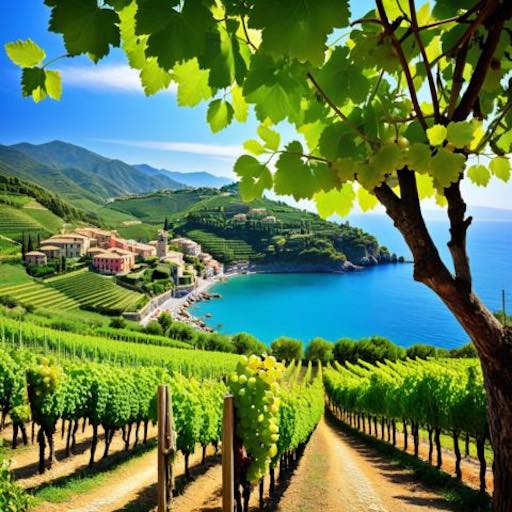
Liguria combines viticulture with Mediterranean cuisine dominated by seafood, fish, and garden herbs—ideal for the region's fresh white wines. The mineral, salty notes of many Vermentino or Pigato wines harmonize perfectly with fish, seafood, or light Mediterranean dishes. But Liguria offers more than just coastal cuisine: in the mountainous inland areas, hearty dishes, olives, herbs, and simple country fare are produced — these go well with lighter red wines such as Rossese or Ciliegiolo, which impress with their fruitiness and light structure. This combination of landscape, climate, wine, and cuisine makes Liguria a region with a strong local profile and great potential for enjoyment.
Notable wineries and winemakers
Small and medium-sized wineries dominate in Liguria—there are hardly any large wine companies. Instead, numerous family businesses, often winemakers with centuries of tradition, shape the landscape. Many of the vineyards are tiny—often less than one hectare—and located on extremely steep, terraced slopes. These winemakers rely on manual labor, careful cultivation of the vines, and traditional vinification, often with a focus on sustainability and the preservation of local grape varieties. Some wineries operate organically or semi-industrially, while others preserve old vines and rare varieties—making Liguria a treasure trove of rare and authentic wines.
Wine-growing significance and export share
Although Liguria covers only a small fraction of the area of large wine regions, its significance is remarkable precisely because of its uniqueness and diversity. With around 1,500-1,650 hectares of vineyards and an annual production of around 45,000-65,000 hectoliters, Liguria is one of Italy's smallest wine regions. The effort required for cultivation on terraced slopes, manual cultivation, and the many small plots make industrial mass production practically impossible — instead, the focus is on quality, craftsmanship, and terroir. Exports have played a minor role for Liguria so far. Many wines remain regional, are drunk locally, or are difficult to obtain outside Liguria — which makes Ligurian wines something special when you find them. But it is precisely this exclusivity and the reverence for small producers that have made Liguria an insider tip for wine lovers.
Summary and outlook for the future
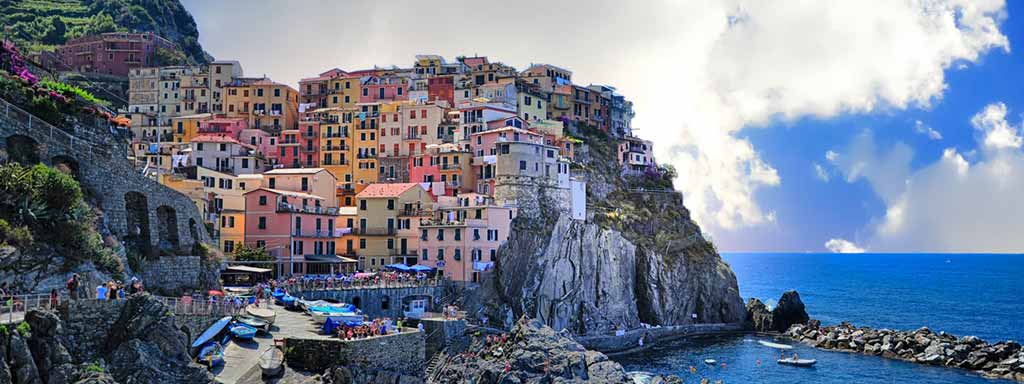
Liguria is a wine region full of contrasts and special charms: narrow, steep, Mediterranean—and at the same time delicate, mineral, and full of character. The combination of ancient wine traditions, spectacular coastal topography, indigenous grape varieties, and artisanal viticulture makes Liguria one of the most interesting, albeit smallest, wine regions in Italy. For the future, the potential clearly lies in emphasizing what is special: small, terroir-driven batches, a return to old grape varieties, the development of sustainable vineyards, and increased awareness outside Italy. Those who value individuality, landscape, and authenticity will be rewarded in Liguria with wines that are not mass-produced, but honest, personal, and unmistakable in character. - Gerardo [TS12/25]
| Name | Liguria | |||||||||||||||||||||||||||||||||||||||||||||||||||||||||||||||||||||||||||||||||||||||||||||||||
| Category | Wine Region | |||||||||||||||||||||||||||||||||||||||||||||||||||||||||||||||||||||||||||||||||||||||||||||||||
| Vineyard Area (Hectare) | 1.500 | |||||||||||||||||||||||||||||||||||||||||||||||||||||||||||||||||||||||||||||||||||||||||||||||||
| Grape Varieties | Sangiovese, Ormeasco, Ciliegiolo, Granaccia, Vermentino, Pigato, Trebbiano | |||||||||||||||||||||||||||||||||||||||||||||||||||||||||||||||||||||||||||||||||||||||||||||||||
| Capital | Genua | |||||||||||||||||||||||||||||||||||||||||||||||||||||||||||||||||||||||||||||||||||||||||||||||||