Story: Erste + Neue | South Tyrol
Page: 1/1

The history of Erste + Neue is deeply intertwined with the Kaltern wine-growing tradition: as early as 1900, 70 local winegrowers founded the “Erste Kellereigenossenschaft Kaltern” (First Kaltern Wine Cooperative) in order to vinify and market their grapes themselves. This was followed in 1925 by the founding of the “Neuen Kellereigenossenschaft” (New Winery Cooperative) in the immediate vicinity of the railway station, which laid the foundation for later growth. In 1986, these two cooperatives merged to form the modern Erste + Neue. Later, in 1991, the Baron Josef di Pauli winery was added. Another important milestone was the integration into the larger Kellerei Kaltern in 2016, while the traditional “Erste + Neue” brand was retained in the long term.
Philosophy and identity
Erste + Neue combines continuity with innovation. The name itself symbolizes this tension: “Erste” stands for established tradition, while “Neue” represents openness to new ideas. Winegrowing is understood here as a passion—not merely as production, but as an expression of homeland, nature, and intergenerational experience. Since the merger, the winery has been working consistently to preserve its regional identity, while at the same time relying on modern techniques in the cellar and bold label design.
Vineyards, membership structure, and locations
Today, around 430 winegrowers are members of the cooperative and bring in their grapes from the gently terraced slopes around Lake Kaltern and the plateau at the foot of the Mendel Mountains. The total cultivation area covers around 260 hectares, spread over many individual sites with very different soil types - from sandy to calcareous to gravelly. This diversity is also reflected in the range: Erste + Neue cultivates both typical South Tyrolean grape varieties such as Gewürztraminer, Lagrein, and Vernatsch, as well as international grapes such as Chardonnay, Pinot Noir, Cabernet, and Merlot.
Wine production and style
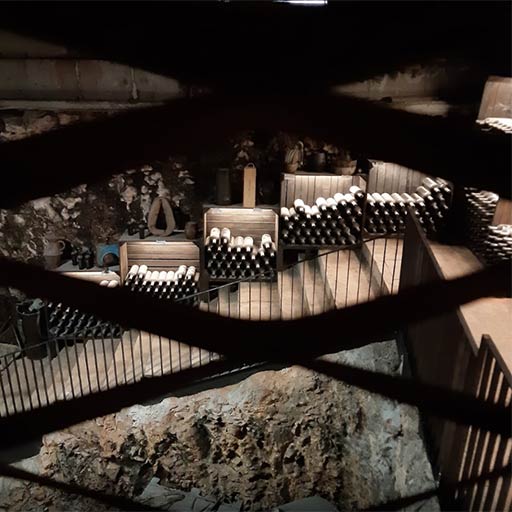
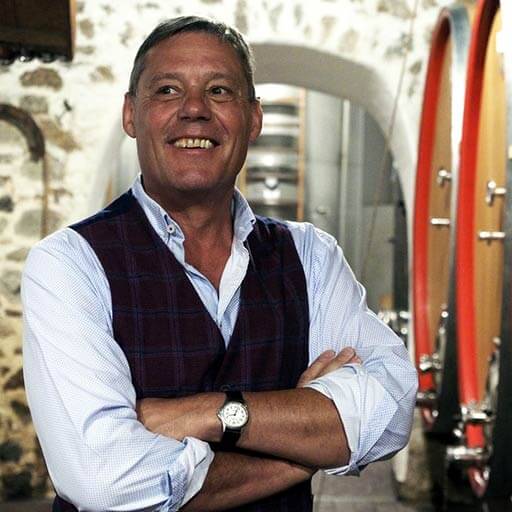
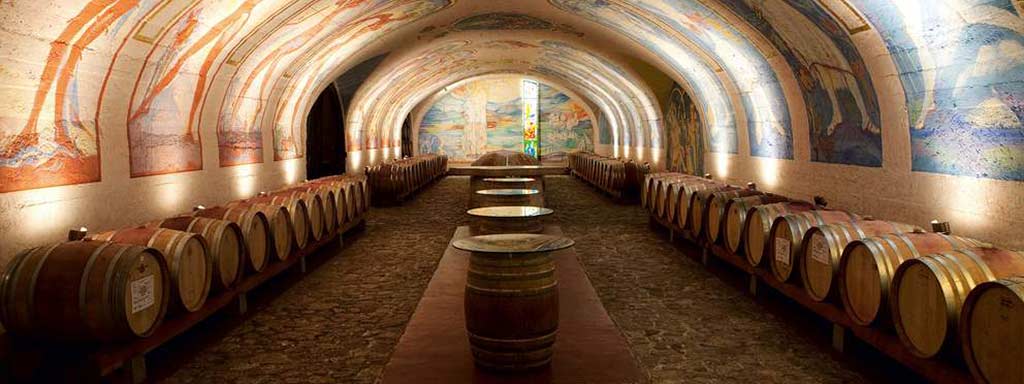
The grapes are harvested and vinified by hand with great care, with the cellar master, currently Gerhard Sanin, continuously monitoring developments in the cellar over several months. Some batches mature in stainless steel tanks, others in various wooden barrels, depending on the variety and vintage. The wines are divided into three quality lines: a basic line, the “Classic” line, and the premium line “Puntay.” The white varieties are often aged longer on the fine lees, while the red wines benefit from aging in large and small wooden barrels. The result is balanced, elegant mountain wines with characteristic typicity and noticeable aging potential.
Sustainability and outlook
Sustainability is now a central part of Erste + Neue's corporate philosophy. The winery is certified according to the Fair'n Green standard, which takes environmental, social, and economic criteria into account in equal measure. This not only ensures the quality of the wine, but also promotes the long-term preservation of the cultural landscape and natural resources.
Conclusion - A symbiosis of tradition and innovation
Erste + Neue is more than just a winery: it is a living example of how viticulture can combine tradition and progress. With over a century of history, a wide range of grape varieties, meticulous work in the vineyard, and a sustainable approach, this cooperative today stands for authentic South Tyrolean wine culture and a modern philosophy of quality. Each of its wines tells a story - about the people, the land, and the year in which the grapes ripened. - Gerardo [TS12/25]
 © www.erste-neue.it
| Name | Erste + Neue | |||||||||||||||||||||||||||||||||||||||||||||||||||||||||||||||||||||||||||||||||||||||||||||||||
| Category | South Tyrol | |||||||||||||||||||||||||||||||||||||||||||||||||||||||||||||||||||||||||||||||||||||||||||||||||
| Founding Year | 1900 | |||||||||||||||||||||||||||||||||||||||||||||||||||||||||||||||||||||||||||||||||||||||||||||||||
| Owner | Cooperative Property | |||||||||||||||||||||||||||||||||||||||||||||||||||||||||||||||||||||||||||||||||||||||||||||||||
| Oenologist | Gerhard Sanin | |||||||||||||||||||||||||||||||||||||||||||||||||||||||||||||||||||||||||||||||||||||||||||||||||
| Annual Production (Btls) | 3.500.000 | |||||||||||||||||||||||||||||||||||||||||||||||||||||||||||||||||||||||||||||||||||||||||||||||||
| Vineyard Area (Hectare) | 450 | |||||||||||||||||||||||||||||||||||||||||||||||||||||||||||||||||||||||||||||||||||||||||||||||||
| Additional Purchase | No | |||||||||||||||||||||||||||||||||||||||||||||||||||||||||||||||||||||||||||||||||||||||||||||||||
| Cultivation | Conventional | |||||||||||||||||||||||||||||||||||||||||||||||||||||||||||||||||||||||||||||||||||||||||||||||||
 |
Kalterer See Auslese Superiore DOC 2021, Erste + NeueErste + Neue, South Tyrol € 9,50 12,67 €/L | |||||||||||||||||||||||||||||||||||||||||||||||||||||||||||||||||||||||||||||||||||||||||||||||||
 |
Chardonnay DOC 2019, Erste + NeueErste + Neue, South Tyrol € 9,95 13,27 €/L | |||||||||||||||||||||||||||||||||||||||||||||||||||||||||||||||||||||||||||||||||||||||||||||||||
|
Chardonnay DOC 2020, Erste + NeueErste + Neue, South Tyrol € 9,95 jetzt € 8,99 11,99 €/L | |||||||||||||||||||||||||||||||||||||||||||||||||||||||||||||||||||||||||||||||||||||||||||||||||
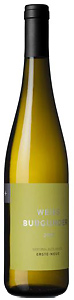 |
Sauvignon DOC 2021, Erste + NeueErste + Neue, South Tyrol € 10,95 14,60 €/L | |||||||||||||||||||||||||||||||||||||||||||||||||||||||||||||||||||||||||||||||||||||||||||||||||
|
Chardonnay DOC 2018, Erste + NeueErste + Neue, South Tyrol € 9,95 13,27 €/L | |||||||||||||||||||||||||||||||||||||||||||||||||||||||||||||||||||||||||||||||||||||||||||||||||
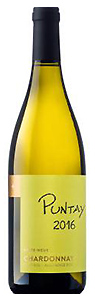 |
Puntay Chardonnay DOC 2016, Erste + NeueErste + Neue, South Tyrol € 16,50 22,00 €/L | |||||||||||||||||||||||||||||||||||||||||||||||||||||||||||||||||||||||||||||||||||||||||||||||||