Story: Tenuta San Guido | Tuscany
Page: 1/1
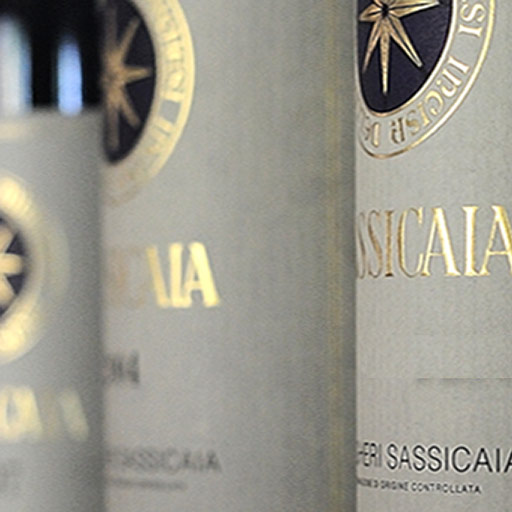
It is actually a paradox: on the one hand, Sassicaia stands for a new era of Italian viticulture - as a style-defining pioneer of the so-called “Super Tuscans”, which combine French grape varieties with Tuscan terroir and ageing in barriques. On the other hand, its origins go back further than those of many classic DOC wines, which today form the backbone of the Italian wine world.
The story of Sassicaia begins immediately after the Second World War, when Marchese Mario Incisa della Rocchetta moved with his family from Rome to the remote countryside near Bolgheri - a place that was still largely unknown at the time and hardly comparable with the prestige of the wine region today. Inspired by the style of the great Bordeaux wines, the Marchese had vine cuttings imported from the Médoc and planted them on the stony soils of his estate - an area that would later give Sassicaia (from the Italian “sassi” - stone) its name.
From insider tip to icon
What began as a purely private experiment slowly but surely developed into one of the greatest success stories in Italian wine history. In the early years, the wine made from Cabernet Sauvignon and Cabernet Franc was consumed exclusively within the family - the rustic, dense wine was initially not intended for sale. It was only when the Marchese's nephew, Piero Antinori, himself an important name in the Tuscan wine scene, and the renowned French oenologist Émile Peynaud became interested in the potential of the wines that the turning point came.
A second vineyard was planted and vinification was professionalized. Finally, in 1968, the first officially marketed vintage was released with just 3,000 bottles - and marked the beginning of a triumphal march that was second to none. Sassicaia was initially declared a simple “Vino da Tavola”, but its quality and elegance soon made international critics sit up and take notice.
The rise to worldwide fame
From the 1980s, Sassicaia entered a new phase. The legendary oenologist Giacomo Tachis, home winemaker of the Antinori family, took over responsibility for winemaking. With his flair for balance, structure and longevity, he gave Sassicaia its unmistakable style - elegant, powerful, multi-layered and with exceptional ageing potential.
The wine quickly became a symbol of a new quality standard in Italy and influenced an entire generation of winemakers. Its success was not only commercial: in 1994, Sassicaia was even awarded its own designation of origin as the only Italian single-vineyard wine - the DOC Bolgheri Sassicaia. An accolade that underlines its special position in the wine world.
Tenuta San Guido - More than just Sassicaia
The Tenuta San Guido wine estate, which is still owned by the Incisa della Rocchetta family today, covers around 2,500 hectares, of which only a small part is used for winegrowing. The remaining areas are wooded or used for breeding noble horses - as the famous “Dormello Olgiata” stud farm, which once produced the legendary racing stallion Ribot, is also located here.
In addition to Sassicaia, the winery also produces two other wines today: Guidalberto, named after an ancestor of the family, and Le Difese - both cuvées that appeal to different target groups with different maturity requirements and price points, but nevertheless reflect the same philosophy: Terroir-driven wines with international appeal and Tuscan soul.
A Tuscan classic with global appeal
Today, Sassicaia is considered one of the world's great red wines - mentioned in the same breath as Bordeaux greats such as Château Lafite or Mouton Rothschild. Its complexity, longevity and elegance not only make it a flagship of Tuscan wine culture, but also a coveted object for collectors and investors.
Tenuta San Guido has established itself not only as a winery, but also as a cultural institution - as a bridge between Italian tradition and the international avant-garde. Sassicaia stands for courage, vision and uncompromising quality. And for the power to write history with a single bottle. - Gerardo [TS04/25]
"Tenuta San Guido extends over an area of around 2,500 hectares from the sea to the hills. Of this, around 4% are vineyards on which Sassicaia is cultivated. Natural oak forests grow on the hills and near the coast there are 500 hectares of wetlands, which used to be found all over the Maremma. In between are alternating areas of farmland with sustainable crop rotation and centuries-old olive trees. The Scuderia of racehorses, the nature reserve along the sea and the vineyards are still the heart and soul of Tenuta San Guido today.
The soil of the vineyards is complex, rich in clay, rocks and old alluvial soils. The climatically balancing effect of the Mediterranean Sea and the protection of the entire DOC Bolgheri area by an amphitheater of hills on the other side prevent drastic temperature fluctuations between day and night, and favor the special microclimate of Bolgheri. The vineyards are laid out in small plots, surrounded by fields, bushes, woods and olive trees. Mario's son, Nicolò Incisa della Rocchetta, has been running Tenuta San Guido since the 1970s. Under his management, the wine business was further developed and expanded, new vineyards were planted and two more wines were created, Guidalberto and Le Difese. The Incisa family's wines are distributed worldwide, but the philosophy has never changed: Wine is essentially a passion. Contact with the earth is just as important for Nicolò as it was for Mario." - Tenuta San Guido
 © www.tenutasanguido.com
| Name | Tenuta San Guido | |||||||||||||||||||||||||||||||||||||||||||||||||||||||||||||||||||||||||||||||||||||||||||||||||
| Category | Tuscany | |||||||||||||||||||||||||||||||||||||||||||||||||||||||||||||||||||||||||||||||||||||||||||||||||
| Founding Year | 1940 | |||||||||||||||||||||||||||||||||||||||||||||||||||||||||||||||||||||||||||||||||||||||||||||||||
| Owner | Nicoló Incisa Della Rocchetta | |||||||||||||||||||||||||||||||||||||||||||||||||||||||||||||||||||||||||||||||||||||||||||||||||
| Oenologist | Giacomo Tachis | |||||||||||||||||||||||||||||||||||||||||||||||||||||||||||||||||||||||||||||||||||||||||||||||||
| Annual Production (Btls) | 790.000 | |||||||||||||||||||||||||||||||||||||||||||||||||||||||||||||||||||||||||||||||||||||||||||||||||
| Vineyard Area (Hectare) | 90 | |||||||||||||||||||||||||||||||||||||||||||||||||||||||||||||||||||||||||||||||||||||||||||||||||
| Additional Purchase | No | |||||||||||||||||||||||||||||||||||||||||||||||||||||||||||||||||||||||||||||||||||||||||||||||||
| Cultivation | Conventional | |||||||||||||||||||||||||||||||||||||||||||||||||||||||||||||||||||||||||||||||||||||||||||||||||
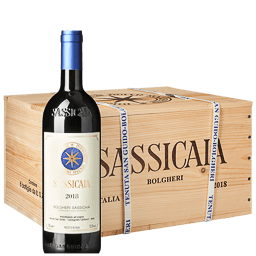 |
Sassicaia · Bolgheri Sassicaia DOC 2019 (6er Holzkiste), Tenuta San GuidoTenuta San Guido, Tuscany € 2350,00 522,22 €/L | |||||||||||||||||||||||||||||||||||||||||||||||||||||||||||||||||||||||||||||||||||||||||||||||||
 |
Sassicaia · Bolgheri Sassicaia DOC 2019, Tenuta San GuidoTenuta San Guido, Tuscany € 390,00 520,00 €/L | |||||||||||||||||||||||||||||||||||||||||||||||||||||||||||||||||||||||||||||||||||||||||||||||||
|
Sassicaia · Bolgheri Sassicaia DOC 2018, Tenuta San GuidoTenuta San Guido, Tuscany € 360,00 480,00 €/L | |||||||||||||||||||||||||||||||||||||||||||||||||||||||||||||||||||||||||||||||||||||||||||||||||
 |
Le Difese · Toscana IGT 2019, Tenuta San GuidoTenuta San Guido, Tuscany € 26,95 35,93 €/L | |||||||||||||||||||||||||||||||||||||||||||||||||||||||||||||||||||||||||||||||||||||||||||||||||
|
Le Difese · Toscana IGT 2022, Tenuta San GuidoTenuta San Guido, Tuscany € 26,95 35,93 €/L | |||||||||||||||||||||||||||||||||||||||||||||||||||||||||||||||||||||||||||||||||||||||||||||||||
|
Sassicaia · Bolgheri Sassicaia DOC 2018 (6er Holzkiste), Tenuta San GuidoTenuta San Guido, Tuscany € 2170,00 482,22 €/L | |||||||||||||||||||||||||||||||||||||||||||||||||||||||||||||||||||||||||||||||||||||||||||||||||