Story: Piedmont | Wine region
Page: 1/5

Piedmont (Piemonte) in northwestern Italy is considered one of the most traditional and renowned wine regions in the world. The name itself means “at the foot of the mountain,” referring to its location in the transition zone between the Alps and the Po Valley. Winegrowing has a centuries-old history here: Piedmontese wines were already highly regarded in the Middle Ages and early modern times, and monasteries and noble courts played a key role in cultivating and spreading the culture of viticulture. In the 19th century, the first great wines such as Barolo and Barbaresco emerged in the Langhe, whose reputation spread to European courts. In times of social and economic upheaval, production occasionally suffered from fluctuations in quality, but since the late 20th century, the region has increasingly focused on quality viticulture and terroir expression.
Geographical features, climatic conditions, and size of the wine-growing areas
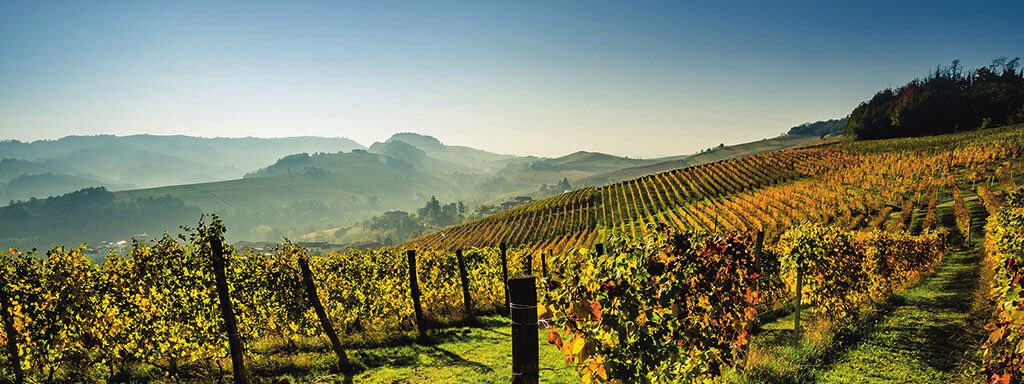
The wine-growing landscapes of Piedmont are characterized by rolling hills, deep valleys, and the influence of the nearby Alps. Particularly well-known are the hilly landscapes of Langhe, Monferrato, and Roero, which are now UNESCO World Heritage Sites and offer ideal conditions for viticulture. The climate is predominantly continental with significant day and night fluctuations, which helps the vines develop rich aromas with fresh acidity. The warm days during the growing season and the cooler nights in autumn are considered an important factor in the complexity of the wines. In total, the region's vineyards cover around 43,000 to 48,000 hectares, producing around two million hectoliters of wine.
Commonly grown grape varieties and why
Red grape varieties dominate in Piedmont, especially indigenous ones that have adapted perfectly to the soil and climate over centuries. At the top of the list is the Nebbiolo grape, famous for its ability to produce complex, long-lasting wines, from which great classics such as Barolo and Barbaresco are made. Despite its relatively small area, Nebbiolo shapes the profile of Piedmont's top wines. However, the most widespread grape variety is Barbera, which occupies a large part of the vineyards and produces fruity, acidic, more accessible red wines. Other important red varieties include Dolcetto, which produces softer, early-drinking red wines, as well as Grignolino, Freisa, and less common indigenous grapes such as Ruchè and Pelaverga. White grape varieties also play an important role. Particularly noteworthy is Moscato Bianco, the basis for the famous sweet sparkling wines Moscato d'Asti and Asti Spumante. Other white grapes such as Cortese (mainly for Gavi), Arneis, Erbaluce, and the rediscovered Timorasso are used to produce fresh, aromatic white wines.
Noteworthy wines or wine specialties
Piedmont is home to some of Italy's most prestigious wines. First and foremost are the red wines made from the Nebbiolo grape: Barolo is considered one of the greatest red wines in the world, powerful, tannic, and highly ageable, while Barbaresco often scores with a slightly finer elegance and accessibility. There are also excellent Barbera d'Asti and Barbera del Monferrato wines, which captivate with their lively acidity and fruitiness and are very versatile. Dolcetto d'Alba is one of the classic spicy everyday red wines, soft in tannin, fruity, and ready to drink early. In the white wine category, Moscato d'Asti is known for its aromatic sweetness and light effervescence, a classic with desserts or as a cheerful aperitif. Gavi, made from the Cortese grape, stands for elegant, dry white wines with fresh acidity, while Arneis and Timorasso further enrich the white wine selection from Piedmont. - Gerardo [TS12/25]
| Name | Piedmont | |||||||||||||||||||||||||||||||||||||||||||||||||||||||||||||||||||||||||||||||||||||||||||||||||
| Category | Wine Region | |||||||||||||||||||||||||||||||||||||||||||||||||||||||||||||||||||||||||||||||||||||||||||||||||
| Vineyard Area (Hectare) | 55.000 | |||||||||||||||||||||||||||||||||||||||||||||||||||||||||||||||||||||||||||||||||||||||||||||||||
| Grape Varieties | Nebbiolo, Barbera, Dolcetto, Bonarda, Cortese, Arneis, Chardonnay | |||||||||||||||||||||||||||||||||||||||||||||||||||||||||||||||||||||||||||||||||||||||||||||||||
| Capital | Torino | |||||||||||||||||||||||||||||||||||||||||||||||||||||||||||||||||||||||||||||||||||||||||||||||||
 |
Barolo DOCG 2017 (Bio), Giacomo Brezza & FigliGiacomo Brezza & Figli, Piedmont € 32,00 42,67 €/L | |||||||||||||||||||||||||||||||||||||||||||||||||||||||||||||||||||||||||||||||||||||||||||||||||
 |
Autinbej · Barbaresco DOCG 2020, Ca' del BaioCa' del Baio, Piedmont € 25,95 34,60 €/L | |||||||||||||||||||||||||||||||||||||||||||||||||||||||||||||||||||||||||||||||||||||||||||||||||
 |
Cannubi · Barolo DOCG 2013, Giacomo Brezza & FigliGiacomo Brezza & Figli, Piedmont € 39,95 jetzt € 37,50 50,00 €/L | |||||||||||||||||||||||||||||||||||||||||||||||||||||||||||||||||||||||||||||||||||||||||||||||||
 |
Vigna Pozzo Barbera d'Alba DOC 2018, Renato CorinoRenato Corino, Piedmont € 29,95 jetzt € 27,50 36,67 €/L | |||||||||||||||||||||||||||||||||||||||||||||||||||||||||||||||||||||||||||||||||||||||||||||||||
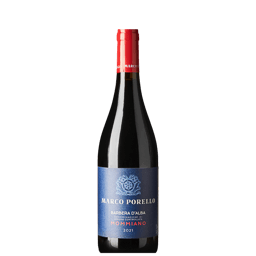 |
Mommiano · Barbera d'Alba DOC 2024, Marco PorelloMarco Porello, Piedmont € 9,95 13,27 €/L | |||||||||||||||||||||||||||||||||||||||||||||||||||||||||||||||||||||||||||||||||||||||||||||||||
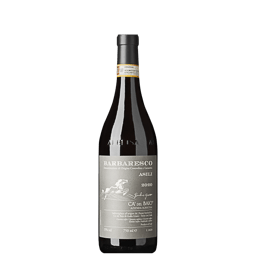 |
Asili · Barbaresco DOCG 2020, Ca' del BaioCa' del Baio, Piedmont € 36,95 49,27 €/L | |||||||||||||||||||||||||||||||||||||||||||||||||||||||||||||||||||||||||||||||||||||||||||||||||