Home Browse: Start (1) Browse: Previous (4) Shop: Piedmont, Red Wine
Reading: 8 minutes | Listen to podcast: ()
Story: Piedmont | Red Wine
Page: 5/5
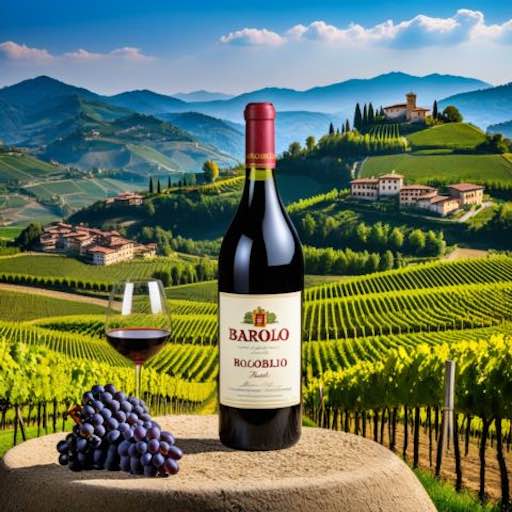
Piedmont in northwestern Italy is considered one of the country's largest wine regions and is world-famous for its red wines made from the Nebbiolo grape. This grape variety is used to produce a wine that is considered the region's flagship: Barolo. Often referred to as the “king of wines and wine of kings,” Barolo not only represents the wine tradition of Piedmont, but is also one of the most important red wines in Italy as a whole.
Origin and terroir-specific development
Barolo is produced exclusively in the small hilly area of Langhe, south of the city of Alba in the province of Cuneo. This area is characterized by calcareous and marly soils, which provide the Nebbiolo grape with the ideal foundation for deep and complex wines. The climatic conditions, with hot days, cool nights, and clear autumn mists, favor slow ripening of the grapes, allowing Barolo to develop its extraordinary range of aromas.
Barolo - Style, Taste, and Character
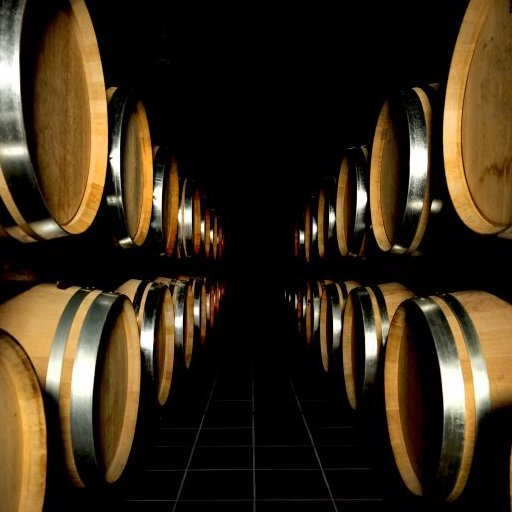
Barolo is a dry red wine with remarkable depth and portée. It appears in the glass as a deep ruby red, which tends toward garnet red reflections with age. When young, Barolo often displays distinctive aromas of red cherries, plums, and floral notes such as roses and violets; with increasing bottle age, more complex nuances of leather, spices, tobacco, and even truffles emerge. The structure of the wine is characterized by high acidity and powerful but elegant tannins, which give it not only vitality but also enormous aging potential. Barolo is one of those wines that mature over decades, constantly revealing new and fascinating facets. The minimum aging requirement for Barolo is 38 months, including at least 18 months in wooden barrels, which allows it to further develop its structure and complexity. In Riserva versions, the aging process can take even longer before the wine is released for tasting and shows its full potential.
The history of Barolo
The modern history of Barolo began in the 19th century, when the Nebbiolo grape began to be cultivated in the region around the village of Barolo to produce a dry, storable red wine. The wine subsequently became the preferred drink at the royal court of Savoy, earning it the nickname “Wine of Kings.” In 1980, Barolo was one of the first Italian wines to be awarded the highest quality seal DOCG (Denominazione di Origine Controllata e Garantita), a sign of its outstanding position in Italian viticulture. This long history has not only earned Barolo great respect in the wine world, but also a close cultural bond with the Langhe region, which is now part of the UNESCO World Heritage Site “Vineyard Landscapes of Piedmont.”
A legendary producer: Giuseppe Rinaldi
Among the winemakers who have shaped Barolo and continue to set standards is the Giuseppe Rinaldi winery in Barolo itself. Rinaldi is known for its uncompromising, traditional approach: long maceration, gentle aging in wood, and patient development in the cellar result in wines that are powerful, complex, and typical of the Barolo terroir. His Barolos from famous vineyards such as Brunate and Cannubi are considered benchmarks for artisanal excellence and great aging potential. Rinaldi Barolos are appreciated by enthusiasts and connoisseurs alike because they authentically and unadulteratedly reflect the character of Piedmont.
Barolo and the culinary identity of Piedmont
Barolo is not only a wine to be enjoyed on its own, but also a perfect accompaniment to the regional cuisine of Piedmont. Its powerful structure and lively acidity harmonize perfectly with rich, aromatic dishes such as braised beef, mushroom risotto, or the famous white truffles from Alba. Barolo is therefore a natural choice for festive occasions or long conversations at the table - it is an expression of a deeply rooted food and drink culture.
Conclusion: A wine that makes history
Barolo represents what connoisseurs associate with Italian wine tradition: an expression of landscape, culture, and decades of craftsmanship in a glass. Its complex aromas, profound structure, and extraordinary aging potential make it a legend among red wines. Thanks to outstanding producers such as Giuseppe Rinaldi, Barolo remains not only the pinnacle of Piedmontese viticulture, but also a globally appreciated classic that tells a piece of Italian winemaking tradition with every bottle. - Gerardo [TS12/25]
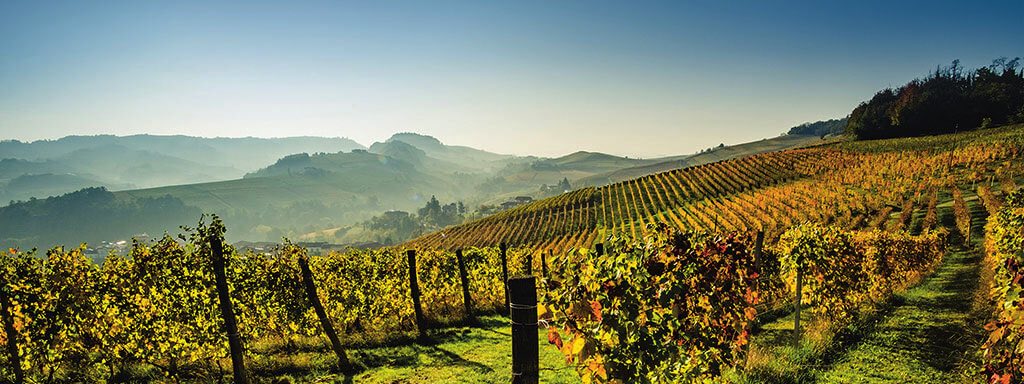
| Name | Piedmont | |||||||||||||||||||||||||||||||||||||||||||||||||||||||||||||||||||||||||||||||||||||||||||||||||
| Category | Red Wine | |||||||||||||||||||||||||||||||||||||||||||||||||||||||||||||||||||||||||||||||||||||||||||||||||
| Vineyard Area (Hectare) | 55.000 | |||||||||||||||||||||||||||||||||||||||||||||||||||||||||||||||||||||||||||||||||||||||||||||||||
| Grape Varieties | Nebbiolo, Barbera, Dolcetto, Bonarda, Cortese | |||||||||||||||||||||||||||||||||||||||||||||||||||||||||||||||||||||||||||||||||||||||||||||||||
| Capital | Torino | |||||||||||||||||||||||||||||||||||||||||||||||||||||||||||||||||||||||||||||||||||||||||||||||||
 |
Piani · Barbera d'Alba DOCG 2023, PelisseroPelissero, Piedmont € 16,95 22,60 €/L | |||||||||||||||||||||||||||||||||||||||||||||||||||||||||||||||||||||||||||||||||||||||||||||||||
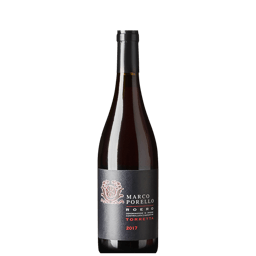 |
Torretta · Roero Rosso DOC 2023, Marco PorelloMarco Porello, Piedmont € 16,95 22,60 €/L | |||||||||||||||||||||||||||||||||||||||||||||||||||||||||||||||||||||||||||||||||||||||||||||||||
 |
La Villa · Barbera d'Asti DOCG 2024 (Bio), Tenuta Olim BaudaTenuta Olim Bauda, Piedmont € 11,95 15,93 €/L | |||||||||||||||||||||||||||||||||||||||||||||||||||||||||||||||||||||||||||||||||||||||||||||||||
|
Long Now · Langhe Rosso DOCG 2021, PelisseroPelissero, Piedmont € 27,95 37,27 €/L | |||||||||||||||||||||||||||||||||||||||||||||||||||||||||||||||||||||||||||||||||||||||||||||||||
 |
Bric del Baio · Langhe Nebbiolo DOC 2023, Ca' del BaioCa' del Baio, Piedmont € 18,95 25,27 €/L | |||||||||||||||||||||||||||||||||||||||||||||||||||||||||||||||||||||||||||||||||||||||||||||||||
|
Long Now · Langhe Rosso DOCG 2020 (1er Original Holzkiste), PelisseroPelissero, Piedmont € 32,95 43,93 €/L | |||||||||||||||||||||||||||||||||||||||||||||||||||||||||||||||||||||||||||||||||||||||||||||||||