Home Browse: Next (2) Shop: Amarone della Valpolicella, Classic
Reading: 6 minutes | Listen to podcast: ()
Story: Amarone della Valpolicella | Classic
Page: 1/2
Ruby red with fine garnet reflections - Amarone della Valpolicella presents itself majestically in the glass. Its bouquet is a true spectacle of aromas: intense notes of ripe dark fruits such as plums, black cherries, and blackberries mingle with nuances of violets, dried fruit, sweet tobacco, dark chocolate, roasted hazelnuts, and sometimes even hints of balsamic or earthy tones such as graphite and slate. The aromatic complexity of Amarone is almost incomparable and continues to develop with increasing maturity.
On the palate, this wine is powerful, velvety, and voluminous. The concentration of fruit aromas is further intensified by the so-called appassimento method, i.e., drying the grapes. The characteristic, slightly bitter note—from which the name Amarone is derived—gives it its unmistakable finish. Despite its richness and structure, Amarone always remains elegant, with well-integrated tannins and a harmonious acidity that gives it freshness and longevity.
Appassimento - An ancient but demanding technique
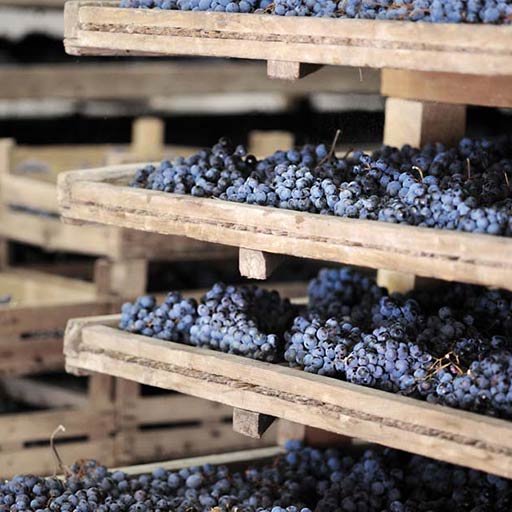
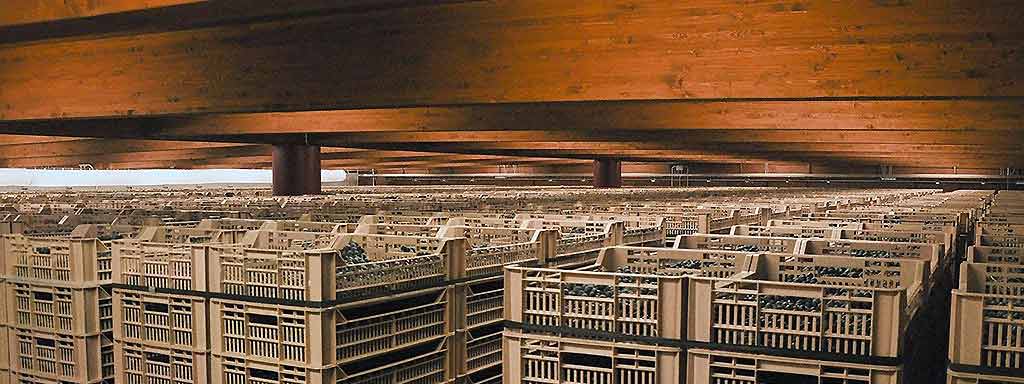
What makes Amarone so unique is the ancient, labor-intensive production method, in which only perfectly ripened grapes are harvested and then stored for months on straw mats or in well-ventilated drying rooms. During this time, they lose up to 40% of their weight, resulting in an enormous concentration of sugar, aroma, and extract. This method has its origins in ancient times - the first references to dried grapes for winemaking date back to Roman times.
The fermentation process for Amarone is lengthy and usually takes place in winter. The highly concentrated must is fermented completely - in contrast to the related Recioto, which remains sweet. The result is a dry but extremely powerful wine with a high alcohol content, usually between 15 and 16%. Amarone is then aged for at least two to four years in large wooden barrels or small barriques before it is released onto the market - some producers even leave it to rest in the cellar for much longer.
The Valpolicella wine region - a home steeped in history
The Valpolicella region in Veneto, north of Verona, is the birthplace of Amarone. Here, among rolling hills, olive groves, and centuries-old vineyards, the indigenous grape varieties Corvina, Rondinella, and Molinara thrive. Each of these vines has specific qualities: Corvina provides structure and aromatic diversity, Rondinella delivers color and finesse, and Molinara brings freshness - even though the latter is often replaced today by other varieties such as Corvinone or Oseleta. The composition is therefore variable, but Corvina always remains at the heart of the blend.
Valpolicella can look back on over 1,500 years of winegrowing tradition. The soils are mostly calcareous, well aerated, and, with their varying altitudes, offer ideal conditions for the complex production of Amarone. Today, the area is divided into three zones: Valpolicella Classico, Valpantena, and the extended Valpolicella DOC zone. The best Amarone wines often come from the higher, cooler areas of the Classico zone.
A wine that tells stories
Every bottle of Amarone della Valpolicella is more than just a drink—it is a reflection of the region, the art of winemaking, and the passage of time. From the careful selection of grapes to months of drying and long maturation in the cellar, this wine tells a story of patience, craftsmanship, and passion. Its complex aromas, dense structure, and aging potential make it a wine that accompanies special moments and brings the history of the Valpolicella hills and the people who created it to life with every sip. - Gerardo [TS12/25]
| Name | Amarone Della Valpolicella | |||||||||||||||||||||||||||||||||||||||||||||||||||||||||||||||||||||||||||||||||||||||||||||||||
| Category | Classic | |||||||||||||||||||||||||||||||||||||||||||||||||||||||||||||||||||||||||||||||||||||||||||||||||
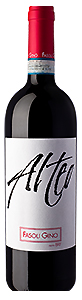 |
Alteo · Amarone della Valpolicella DOCG 2018 (Bio), Fasoli GinoFasoli Gino, Veneto € 84,95 113,27 €/L | |||||||||||||||||||||||||||||||||||||||||||||||||||||||||||||||||||||||||||||||||||||||||||||||||
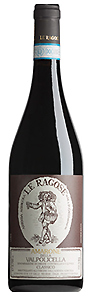 |
Caloetto · Amarone della Valpolicella DOC 2009, Le RagoseLe Ragose, Veneto € 59,95 79,93 €/L | |||||||||||||||||||||||||||||||||||||||||||||||||||||||||||||||||||||||||||||||||||||||||||||||||
 |
Pietro dal Cero · Amarone della Valpolicella MAGNUM DOC 2019 (1er Holzkiste), Cà dei FratiCà dei Frati, Lombardy € 165,00 110,00 €/L | |||||||||||||||||||||||||||||||||||||||||||||||||||||||||||||||||||||||||||||||||||||||||||||||||
 |
Amarone della Valpolicella DOC 2016, MarionMarion, Veneto € 56,90 75,87 €/L | |||||||||||||||||||||||||||||||||||||||||||||||||||||||||||||||||||||||||||||||||||||||||||||||||
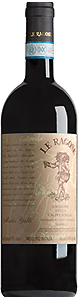 |
Marta Galli · Amarone della Valpolicella Classico DOC 2009, Le RagoseLe Ragose, Veneto € 55,00 73,33 €/L | |||||||||||||||||||||||||||||||||||||||||||||||||||||||||||||||||||||||||||||||||||||||||||||||||
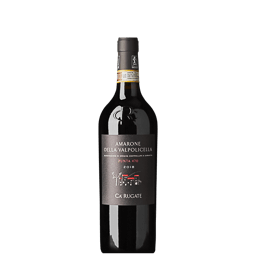 |
Punta 470 · Amarone della Valpolicella DOCG 2020, Ca' RugateCa' Rugate, Veneto € 43,95 58,60 €/L | |||||||||||||||||||||||||||||||||||||||||||||||||||||||||||||||||||||||||||||||||||||||||||||||||