Home Browse: Previous (1) Shop: Amarone della Valpolicella, Classic
Reading: 5 minutes | Listen to podcast: ()
Story: Amarone della Valpolicella | Classic
Page: 2/2
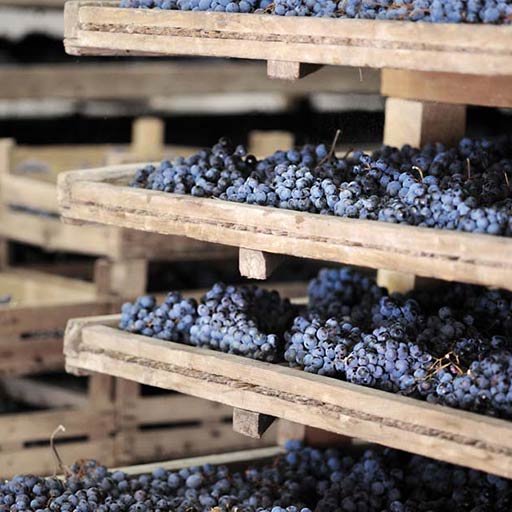
Despite its historical roots, it took a long time for Amarone to be recognized as an important Italian wine. It was only after World War II, more precisely from 1953 onwards, that individual winegrowers began to specifically market the special characteristics of this type of wine. The Bolla winery played a pioneering role in this: with its “Recioto Amarone della Valpolicella,” it presented the first dry wine made from dried grapes that appealed to the tastes of the time and quickly attracted attention.
However, it took decades for Amarone to achieve the international fame it enjoys today. Many winemakers in the region initially underestimated its potential, and the market was initially cautious. Towards the end of the 20th century, as wine connoisseurs around the world began to appreciate wines with depth and character, Amarone rose to the top league of red wines.
Diversity through DOCG regulations and new varieties
Since 2010, Amarone della Valpolicella has carried the controlled and guaranteed designation of origin (DOCG). These strict regulations protect not only the origin but also the traditional production methods. At the same time, they open up new possibilities in terms of grape variety composition: in addition to the classic varieties Corvina, Rondinella, and Molinara, lesser-known varieties such as Corvinone and Oseleta may also be used. This allows Amarone to remain deeply rooted in its origins, while winemakers can give it their own individual signature.
This flexibility has led to a remarkable range of styles: from the classic, powerful Amarone with long aging in wooden barrels to modern interpretations with more freshness to elegant single-vineyard wines that reflect the terroir, Amarone now offers special nuances and expressiveness for every discerning palate.
Amarone - A wine for special moments
Amarone della Valpolicella is not a wine for quick enjoyment. It unfolds its magic above all in peace and tranquility, best paired with hearty meat dishes, mature cheese, or game. It also reveals its full depth when enjoyed on its own. Its aging potential is legendary: many Amarone wines gain even more expression, harmony, and complexity after ten, fifteen, or even twenty years of bottle aging. Once you have really gotten to know it, you will not forget it so quickly.
A monument to Italian winemaking
Amarone combines tradition, craftsmanship, and passion in a glass. Every sip tells the story of the Valpolicella region, the carefully dried grapes, and the patience of the winemakers. Amarone is more than a wine: it is an experience that captivates the senses and impressively reflects the uniqueness of Italian winemaking. For special occasions or as a meditative companion to a quiet evening, it remains an incomparable expression of Italian winemaking. - Gerardo [TS12/25]
| Name | Amarone Della Valpolicella | |||||||||||||||||||||||||||||||||||||||||||||||||||||||||||||||||||||||||||||||||||||||||||||||||
| Category | Classic | |||||||||||||||||||||||||||||||||||||||||||||||||||||||||||||||||||||||||||||||||||||||||||||||||
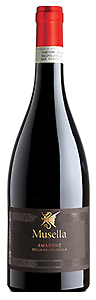 |
Amarone della Valpolicella DOC 2014 (Bio), MusellaMusella, Veneto € 34,95 46,60 €/L | |||||||||||||||||||||||||||||||||||||||||||||||||||||||||||||||||||||||||||||||||||||||||||||||||
 |
Pietro dal Cero · Amarone della Valpolicella MAGNUM DOC 2019 (1er Holzkiste), Cà dei FratiCà dei Frati, Lombardy € 165,00 110,00 €/L | |||||||||||||||||||||||||||||||||||||||||||||||||||||||||||||||||||||||||||||||||||||||||||||||||
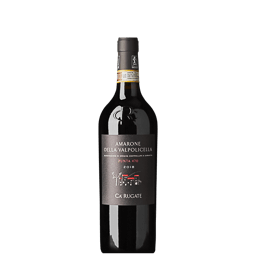 |
Punta 470 · Amarone della Valpolicella DOCG 2019, Ca' RugateCa' Rugate, Veneto € 42,95 57,27 €/L | |||||||||||||||||||||||||||||||||||||||||||||||||||||||||||||||||||||||||||||||||||||||||||||||||
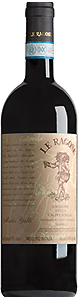 |
Marta Galli · Amarone della Valpolicella Classico DOC 2011, Le RagoseLe Ragose, Veneto € 59,95 79,93 €/L | |||||||||||||||||||||||||||||||||||||||||||||||||||||||||||||||||||||||||||||||||||||||||||||||||
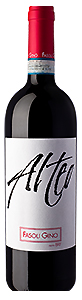 |
Alteo · Amarone della Valpolicella DOCG 2018 (Bio), Fasoli GinoFasoli Gino, Veneto € 84,95 113,27 €/L | |||||||||||||||||||||||||||||||||||||||||||||||||||||||||||||||||||||||||||||||||||||||||||||||||
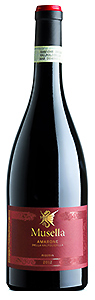 |
Amarone della Valpolicella Riserva DOC 2015 (Bio), MusellaMusella, Veneto € 44,95 59,93 €/L | |||||||||||||||||||||||||||||||||||||||||||||||||||||||||||||||||||||||||||||||||||||||||||||||||