Story: Rosso di Montalcino | Classic
Page: 1/1

Rosso di Montalcino is often overshadowed by its famous brother, Brunello di Montalcino, but this elegant and accessible red wine deserves far more than the term “little brother”. Rosso di Montalcino is a multifaceted interpretation of the Sangiovese grape and offers sophisticated enjoyment at a high level, at a price that makes it affordable for a wider target group. But what exactly makes this wine so special and why is it worth taking a closer look?
Origin and special features of Rosso di Montalcino
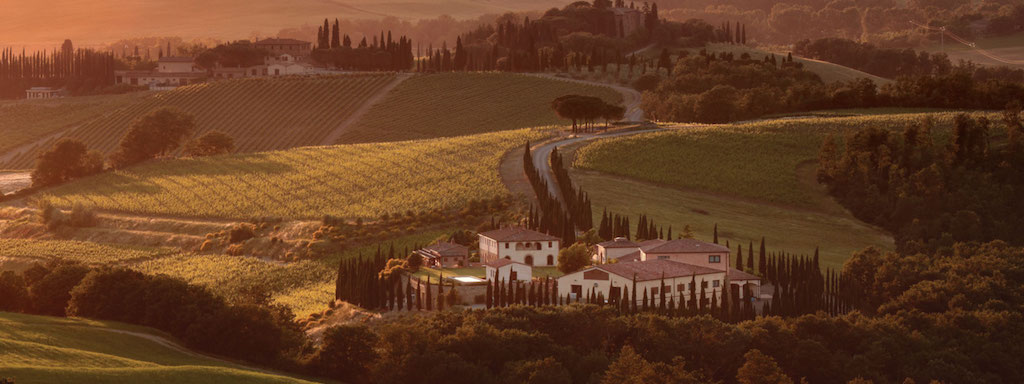
Rosso di Montalcino, like Brunello, comes from the picturesque Montalcino region in Tuscany, one of Italy's most renowned wine-growing areas. The soil here is rich in minerals and characterized by Galestro slate and limestone, while the Mediterranean climate with hot summers and cool nights provides ideal conditions for the Sangiovese grapes to ripen. The “Rosso di Montalcino DOC” designation of origin has existed since 1984 and is regulated by strict production guidelines that guarantee high quality.
While the highest quality and best-ripened grapes are used for the production of Brunello, Rosso uses grapes from younger vines or from plots that require an earlier harvest or a shorter ripening period. The result is a lively wine with fruity notes that is a kind of “young interpretation” of Sangiovese.
The difference between Brunello and Rosso di Montalcino
The most striking differences between Rosso and Brunello di Montalcino lie in the ageing period and the resulting structure of the wine. While Brunello has to mature for at least five years, at least two of which must be in wooden barrels, according to DOCG regulations, Rosso only has to mature for twelve months, often less. This shorter maturation gives the Rosso di Montalcino a lively fruitiness and makes it more accessible and easier to drink.
Due to the less pronounced barrel ageing, Rosso di Montalcino develops a leaner structure with velvety tannins, showing the character of Sangiovese in its purest form and with youthful freshness. Rosso is therefore less tannic, more accessible and often smoother than Brunello, making it an ideal companion for convivial evenings.
A wine for every occasion
Rosso di Montalcino has earned a reputation as a versatile wine that accompanies many occasions and dishes without losing its origin or elegance. Its aromas range from red berries such as cherry and raspberry to subtle floral notes and a gentle spiciness that adds complexity. On the palate, it is soft, fresh and balanced in acidity, making it an ideal accompaniment to Italian cuisine: pasta, grilled vegetables, medium-aged cheeses and light meat dishes are particularly well suited to its characteristics.
Unlike Brunello, which often needs time to develop its full aromatic splendor, Rosso di Montalcino is a wine that can be enjoyed young. It therefore offers an uncomplicated way to enjoy the taste of Tuscany in everyday life and at the same time experience top-class wine quality.
Rosso di Montalcino - quality that convinces
In recent years, Rosso di Montalcino has carved out its own place on the international wine market, winning over not only wine lovers but also discerning connoisseurs. Many wineries in Montalcino consciously invest in the quality of the Rosso, producing wines that are characterized by high consistency and a balanced price-performance ratio. Some winegrowers refer to Rosso di Montalcino as a “mini-Brunello” or “second wine”, which underlines the accessible quality of the wine, but also highlights its deep roots in the Montalcino terroir.
The clear structure, gentle tannin balance and elegance of Rosso di Montalcino speak for the expertise and fine craftsmanship of the winemakers, who also place the highest value on quality in this wine. The Rosso di Montalcino is therefore much more than just a “little brother”: it stands independently and with dignity for the elegant, fruity character of the Sangiovese grape and is a reflection of Tuscany that can be enjoyed with pleasure and passion. - Gerardo [TS11/24]
| Name | Rosso Di Montalcino | |||||||||||||||||||||||||||||||||||||||||||||||||||||||||||||||||||||||||||||||||||||||||||||||||
| Category | Classic | |||||||||||||||||||||||||||||||||||||||||||||||||||||||||||||||||||||||||||||||||||||||||||||||||
 |
Geschenk: Rosso di Montalcino · 3x Rosso di Montalcino DOC (Bio), CamiglianoCamigliano, Tuscany € 42,00 56,00 €/L | |||||||||||||||||||||||||||||||||||||||||||||||||||||||||||||||||||||||||||||||||||||||||||||||||
 |
Ginestreto · Rosso di Montalcino DOC 2020, Eredi FuligniEredi Fuligni, Tuscany € 27,50 jetzt € 19,99 26,65 €/L | |||||||||||||||||||||||||||||||||||||||||||||||||||||||||||||||||||||||||||||||||||||||||||||||||
 |
Rosso di Montalcino DOC 2024 (Bio), CamiglianoCamigliano, Tuscany € 12,95 17,27 €/L | |||||||||||||||||||||||||||||||||||||||||||||||||||||||||||||||||||||||||||||||||||||||||||||||||