Story: Moscato Rosa | Grape variety
Page: 1/1

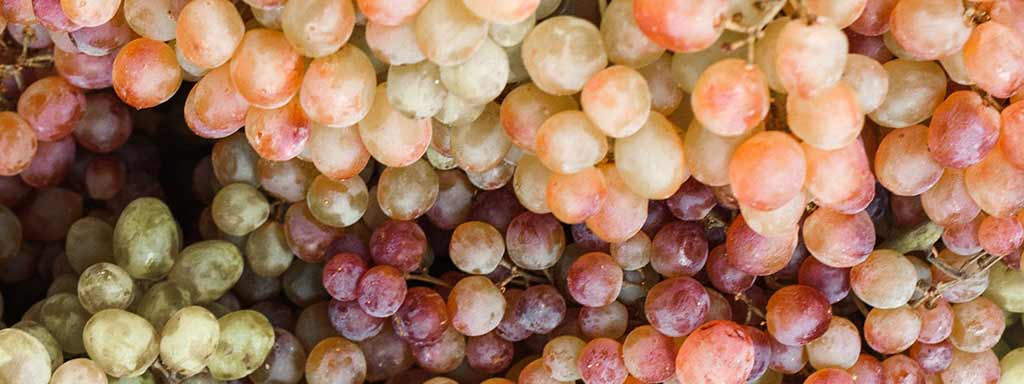
Rosenmuskateller - also known by its Italian name Moscato Rosa - is an extremely rare grape variety from South Tyrol, characterized by its delicate reddish berries and intense rose bouquet. Its female flowers tend to suffer from coulure, which severely limits yields and makes the vineyards true treasure troves. Planting is challenging: only very warm, airy locations with well-aerated soil allow the grapes to ripen fully. In South Tyrol, this variety is now only cultivated on small areas, and its grapes are considered a coveted resource for the finest noble sweet wines. The origins of this wine lie in a centuries-old winegrowing tradition: some sources trace the variety back to the Balkans, others point to Sicilian roots—an origin that has undergone consistent refinement in South Tyrol.
Characteristics in the glass
In the glass, Rosenmuskateller displays a bright ruby red color with slight brick-colored reflections. Its bouquet reveals an interplay of fragrant rose petals, ripe raspberries, and dark wild strawberries, accompanied by subtle spice notes, orange blossoms, and a hint of nutmeg. On the palate, it is opulent and velvety, with an elegant sweetness, fine acidity, and a lingering finish. Despite its concentration, the wine retains a remarkable lightness and ensures that every sip lingers with its aromatic depth. The result: a dessert wine of great finesse that will delight both discerning connoisseurs and lovers of fragrant, fruity specialties.
Enjoyment and aging potential
Rosenmuskateller is the ideal accompaniment to sweet delicacies such as apple strudel, poppy seed cake, or chocolate tartlets with a liquid center—but it is also proud enough to be enjoyed on its own as a meditation wine. Its aging potential is remarkable: high-quality examples mature over many years, developing even greater aromatic complexity. The combination of low yields, long ripening, and careful vinification makes it an exclusive specialty in South Tyrolean viticulture.
Vineyards and production
The grapes usually thrive on south-facing slopes in Überetsch and Unterland, on porphyry, sand, or limestone gravel soils, at an altitude of around 200 to 350 meters above sea level. These conditions promote slow, aroma-rich ripening, which is essential for this variety. Vinification often involves maceration over several days, followed by either short-term storage in stainless steel tanks or longer storage in wooden barrels to consolidate the aromatic structure and generate depth. This complex production process is another reason for the rarity and high demand for this wine.
Looking to the future
With the increasing popularity of quality wines, there is growing interest in indigenous and unusual varieties - Rosenmuskateller could therefore be set for a renaissance. Its exquisite aroma, limited quantities, and artisanal production have already given it cult status. Wine lovers who discover this gem from South Tyrol enter a world where aroma, finesse, and rarity come together—a wine that is not simply drunk, but experienced. - Gerardo [TS10/25]
| Name | Moscato Rosa | |||||||||||||||||||||||||||||||||||||||||||||||||||||||||||||||||||||||||||||||||||||||||||||||||
| Category | Grape Variety | |||||||||||||||||||||||||||||||||||||||||||||||||||||||||||||||||||||||||||||||||||||||||||||||||
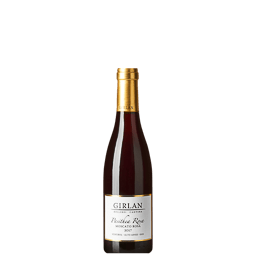 |
Pasithea Rosa · Rosenmuskateller DOC 2017, Kellerei GirlanKellerei Girlan, South Tyrol € 28,90 77,07 €/L | |||||||||||||||||||||||||||||||||||||||||||||||||||||||||||||||||||||||||||||||||||||||||||||||||
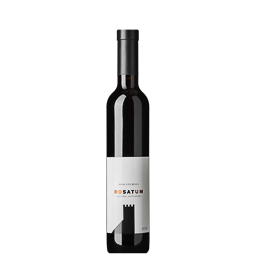 |
Rosatum · Rosenmuskateller DOC 2016, SchreckbichlSchreckbichl, South Tyrol € 30,95 82,53 €/L | |||||||||||||||||||||||||||||||||||||||||||||||||||||||||||||||||||||||||||||||||||||||||||||||||
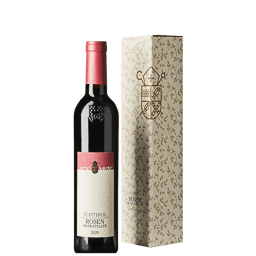 |
Rosenmuskateller DOC 2021 (1er Geschenkbox), Muri GriesMuri Gries, South Tyrol € 24,95 66,53 €/L | |||||||||||||||||||||||||||||||||||||||||||||||||||||||||||||||||||||||||||||||||||||||||||||||||
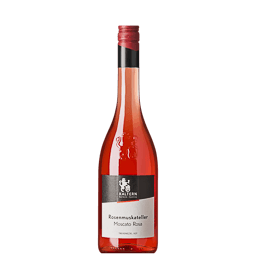 |
Rosenmuskateller Trevenezie Moscato Rosa IGT 2023, Kellerei KalternKellerei Kaltern, South Tyrol € 10,95 14,60 €/L | |||||||||||||||||||||||||||||||||||||||||||||||||||||||||||||||||||||||||||||||||||||||||||||||||
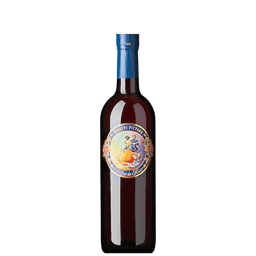 |
Valzer in Rosa Moscato Rosa IGT 2023, Vigneti PittaroVigneti Pittaro, Friuli € 10,95 14,60 €/L | |||||||||||||||||||||||||||||||||||||||||||||||||||||||||||||||||||||||||||||||||||||||||||||||||
|
Rosatum · Rosenmuskateller DOC 2013, SchreckbichlSchreckbichl, South Tyrol € 30,95 82,53 €/L | |||||||||||||||||||||||||||||||||||||||||||||||||||||||||||||||||||||||||||||||||||||||||||||||||