Home Browse: Previous (1) Browse: Next (3) Shop: Abruzzo, Wine region
Reading: 7 minutes | Listen to podcast: ()
Story: Abruzzo | Wine region
Page: 2/5
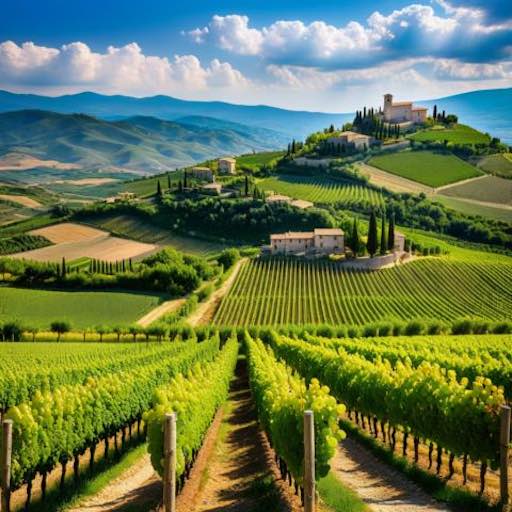
The cuisine of Abruzzo is rustic and deeply rooted in the region - ideal for wine. Typical dishes include arrosticini (small lamb skewers), pasta with rich sauces, game meat, and seafood along the coast. When paired with local wines, the combination is powerful: a strong Montepulciano goes well with grilled meat or lamb, while a fresh Cerasuolo harmonizes well with pasta, salads, or seafood. Regional specialties such as sheep's cheese or lentils from the highlands are also often served with white and rosé wines. Herbs also play an important role in Abruzzo cuisine, which harmonizes well with the fruity and sometimes spicy notes of the wines.
Important wineries
One very well-known winery is Cantina Zaccagnini, which owns around 300 hectares of vineyards. Montepulciano, Trebbiano, Passerina, and other varieties are grown there sustainably. Their wines, including Cerasuolo d'Abruzzo, are internationally renowned. Furthermore, there are an increasing number of smaller, quality-focused producers who are no longer exclusively organized in cooperatives. One example from the natural/organic sector is the Cirelli winery, which uses natural cultivation methods and produces amphora wines. Ambitious winemakers such as Emidio Pepe, Valentini, and other boutique producers also play an important role in the region's qualitative transformation.
Overall importance of viticulture & export share
A high percentage of wine in Abruzzo is still produced by cooperatives: according to Wikipedia, around 80% of all wines in the region come from large cooperatives such as Cantina Tollo, Casal Thaulero, Casal Bordino, and Citra. Abruzzo produces around 300 million liters of wine annually. Export figures are strong: according to the Consorzio di Tutela Vini d'Abruzzo and reports on the WineNews portal, around 140 million bottles were sold in 2022, an increase of +10% over the previous year. The most important export markets are Germany, the USA, Canada, Switzerland, and the UK - with very promising developments also in France, Japan, and South Korea.
Summary and outlook for the future
Abruzzo is a traditional but still relatively underrated wine region in Italy—geographically exciting due to its combination of mountains and coastline, and climatically favored by large temperature fluctuations. Montepulciano dominates red wine production, while Trebbiano and some newly revived indigenous white varieties are becoming increasingly important. Typical wine styles such as Montepulciano d'Abruzzo, Cerasuolo, and fresh white wines characterize the regional profile. On the winegrower side, there are both large cooperatives and courageous, quality-oriented small businesses that are raising the image of the region. Exports are growing, mainly thanks to rising demand in important markets. Abruzzo is likely to continue to gain profile in the coming years, especially if the trend toward premium wines continues. Greater promotion of indigenous varieties (e.g., Pecorino, Passerina), combined with modern winemaking techniques and a clear marketing strategy (e.g., the new “Modello Abruzzo”), could lead to even greater international visibility for this region. - Gerardo [TS12/25]
"...And Montepulciano d'Abruzzo is no longer just the ubiquitous, accessible, and inexpensive wine we know from the past. Today, crowned with DOCG status, it is strong and rich in the Colline Teramane, much more delicate in Popoli and Capestrano, and full-bodied and suitable for long aging in San Martino sulla Marrucina and Loreto Aprutino. The same applies to Trebbiano d'Abruzzo, now much more than just the white workhorse in the cellar, and to Pecorino, perhaps the new secret weapon of Abruzzo's winemakers..." - Gambero Rosso
"The province of Chieti accounts for 80 percent of wine production in Abruzzo. Montepulciano continues to claim the lion's share, accounting for 90 percent of the region's vineyards together with Trebbiano. However, a number of indigenous white grapes are also gaining ground, with Pecorino at the forefront." - Slow Wine
| Name | Abruzzo | |||||||||||||||||||||||||||||||||||||||||||||||||||||||||||||||||||||||||||||||||||||||||||||||||
| Category | Wine Region | |||||||||||||||||||||||||||||||||||||||||||||||||||||||||||||||||||||||||||||||||||||||||||||||||
| Vineyard Area (Hectare) | 34.000 | |||||||||||||||||||||||||||||||||||||||||||||||||||||||||||||||||||||||||||||||||||||||||||||||||
| Grape Varieties | Montepulciano, Sangiovese, Cabernet, Merlot, Trebbiano, Pecorino, Malvasia, Verdicchio | |||||||||||||||||||||||||||||||||||||||||||||||||||||||||||||||||||||||||||||||||||||||||||||||||
| Capital | L'Aquila | |||||||||||||||||||||||||||||||||||||||||||||||||||||||||||||||||||||||||||||||||||||||||||||||||
 |
Fonte Cupa · Montepulciano d' Abruzzo Colline Teramane DOC 2019, Camillo MontoriCamillo Montori, Abruzzo € 17,95 23,93 €/L | |||||||||||||||||||||||||||||||||||||||||||||||||||||||||||||||||||||||||||||||||||||||||||||||||
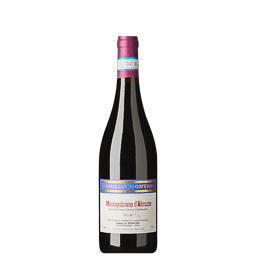 |
Casa Montori · Montepulciano d' Abruzzo DOC 2021, Camillo MontoriCamillo Montori, Abruzzo € 7,95 10,60 €/L | |||||||||||||||||||||||||||||||||||||||||||||||||||||||||||||||||||||||||||||||||||||||||||||||||
|
Casa Montori · Montepulciano d' Abruzzo DOC 2019, Camillo MontoriCamillo Montori, Abruzzo € 7,95 10,60 €/L | |||||||||||||||||||||||||||||||||||||||||||||||||||||||||||||||||||||||||||||||||||||||||||||||||
|
Fonte Cupa · Montepulciano d' Abruzzo Colline Teramane DOC 2020, Camillo MontoriCamillo Montori, Abruzzo € 18,95 25,27 €/L | |||||||||||||||||||||||||||||||||||||||||||||||||||||||||||||||||||||||||||||||||||||||||||||||||
 |
Casa Montori · Cerasuolo d' Abruzzo DOC 2023, Camillo MontoriCamillo Montori, Abruzzo € 7,95 jetzt € 6,99 9,32 €/L | |||||||||||||||||||||||||||||||||||||||||||||||||||||||||||||||||||||||||||||||||||||||||||||||||
 |
Fonte Cupa · Pecorino Controguerra DOC 2024, Camillo MontoriCamillo Montori, Abruzzo € 13,95 18,60 €/L | |||||||||||||||||||||||||||||||||||||||||||||||||||||||||||||||||||||||||||||||||||||||||||||||||