Home Browse: Start (1) Browse: Previous (4) Shop: Lombardy, Wine Specialities
Reading: 7 minutes | Listen to podcast: ()
Story: Lombardy | Wine Specialities
Page: 5/5
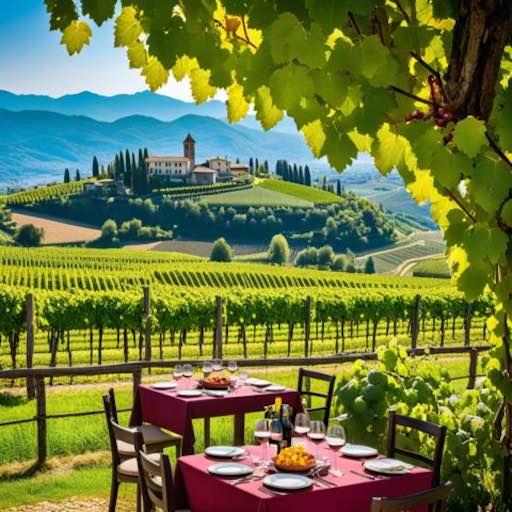
Lombardy in northern Italy is a wine region of astonishing diversity. Between the Alps, flatlands, and lakes, a wide variety of terroirs thrive in the region - from steep, terraced Alpine slopes to rolling hills near lakes and rivers. This diversity is reflected in the variety of wines: elegant sparkling wines, mineral mountain red wines, but also full-bodied red and white wines are produced here. Among the many wines of Lombardy, one specialty is particularly often referred to as the “flagship”: Franciacorta DOCG - a sparkling wine that is internationally regarded as Italy's answer to champagne.
Franciacorta - When northern Italian wine seeks champagne quality
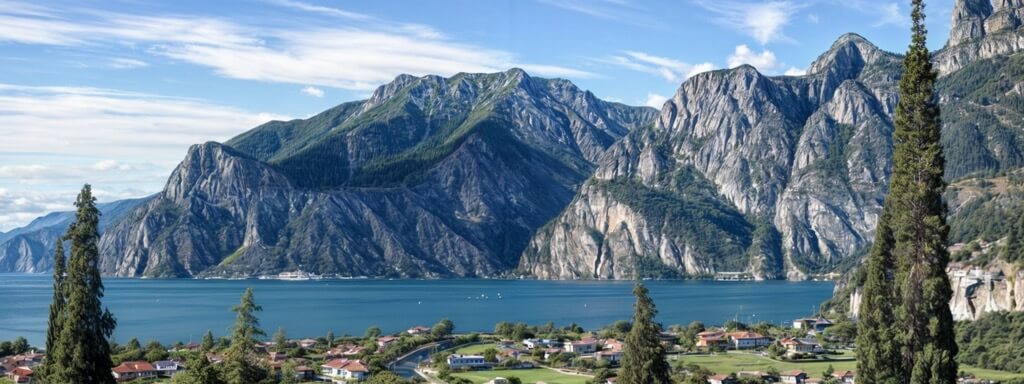
Franciacorta is located in the province of Brescia, between the southern shore of Lake Iseo and the rolling hills formed by moraines from the last ice age. The soils - a mixture of gravel, sand, and limestone - offer ideal conditions for demanding vines. The climate, with mild summers and cool nights, creates an exciting balance: the grapes ripen but retain their freshness and acidity. Chardonnay, Pinot Nero, and Pinot Bianco (occasionally with small amounts of Pinot Grigio/Erbamat) are used to produce wines in Franciacorta that are fermented using the classic Champagne method (metodo classico). This bottle fermentation, combined with a long yeast aging period of at least 18 months (and 30 months for vintage wines), gives the wines a fine perlage and great complexity.
Taste, character, and style of a genuine Franciacorta
In the glass, Franciacorta typically displays a straw yellow to light golden color. The aromas open with notes of white fruits and citrus—such as apple, pear, or delicate peach—complemented by floral hints and a pleasant, restrained minerality. Older or mature bottles sometimes reveal bread aromas or subtle yeasty notes, which lend the wine depth and elegance. On the palate, Franciacorta impresses with its lively acidity and fine, creamy perlage. The body remains slender, but the structure is present - the wine is fresh and complex at the same time, with a balance of fruit, minerality, and elegant texture. This combination makes Franciacorta a perfect accompaniment not only for festive occasions, but also for fine dining: from seafood to risotto to delicate appetizers.
History & significance - From the Middle Ages to DOCG status
Winegrowing in Franciacorta has a long tradition. As early as the Middle Ages, the area was referred to as “franca curte” - a tax-exempt region. The modern chapter of the region began in the mid-20th century with a conscious attempt to produce a top-quality Italian sparkling wine using the classic method. Franciacorta gained international fame in the 1990s: in 1995, it became the first Italian sparkling wine region ever to be awarded DOCG status. Since then, Franciacorta has been the flagship for Italian quality sparkling wine - with top-level quality.
A shining example: Ca' del Bosco
Ca' del Bosco is a particularly outstanding producer in the region. The winery is considered one of Italy's leading cellars and has played a key role in raising Franciacorta to international status. Ca' del Bosco's creations include elegant basic cuvées as well as complex vintage and reserve wines, which are regularly ranked among the best Italian sparkling wines. The wines of the house combine freshness and finesse with structure and depth - with clear fruit, fine perlage, and often remarkable longevity. For many wine lovers, a bottle of Ca' del Bosco Franciacorta is the epitome of Italian sparkling wine artistry.
Why Franciacorta is a wine for explorers and connoisseurs
Franciacorta is not simply an “Italian sparkling wine” - it is a style in its own right, which strives for champagne quality using the classic method and often achieves it. Its elegance, fine perlage, and balanced complexity make it a wine that combines origin, craftsmanship, and terroir at a high level. If you want to taste Lombardy, you should try Franciacorta - ideal as an introductory wine to Italian sparkling wine culture, but also for connoisseurs who appreciate depth and finesse. A bottle of Franciacorta is more than just an aperitif: it is a glass of history, landscape, and living wine tradition. - Gerardo [TS12/25]
| Name | Lombardy | |||||||||||||||||||||||||||||||||||||||||||||||||||||||||||||||||||||||||||||||||||||||||||||||||
| Category | Wine Specialities | |||||||||||||||||||||||||||||||||||||||||||||||||||||||||||||||||||||||||||||||||||||||||||||||||
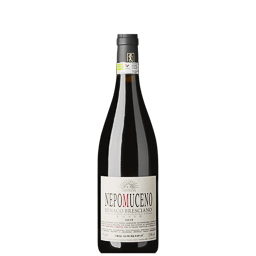 |
Nepomuceno · Benaco Bresciano Rosso IGT 2020 (Bio), CantrinaCantrina, Lombardy € 30,95 41,27 €/L | |||||||||||||||||||||||||||||||||||||||||||||||||||||||||||||||||||||||||||||||||||||||||||||||||
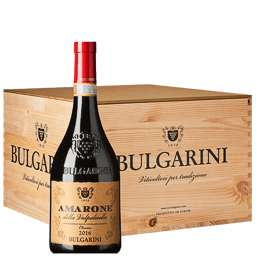 |
Amarone della Valpolicella DOCG 2018 (6er Holzkiste), Bulgarini FaustoBulgarini Fausto, Lombardy € 269,95 59,99 €/L | |||||||||||||||||||||||||||||||||||||||||||||||||||||||||||||||||||||||||||||||||||||||||||||||||
 |
Rosso Bruno · Vino Rosso 2021, Bulgarini FaustoBulgarini Fausto, Lombardy € 11,95 15,93 €/L | |||||||||||||||||||||||||||||||||||||||||||||||||||||||||||||||||||||||||||||||||||||||||||||||||
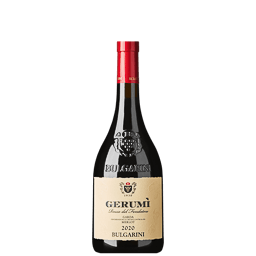 |
Gerumi · Garda Merlot IGT 2022, Bulgarini FaustoBulgarini Fausto, Lombardy € 18,95 25,27 €/L | |||||||||||||||||||||||||||||||||||||||||||||||||||||||||||||||||||||||||||||||||||||||||||||||||
 |
Pietro dal Cero · Amarone della Valpolicella MAGNUM DOC 2019 (1er Holzkiste), Cà dei FratiCà dei Frati, Lombardy € 165,00 110,00 €/L | |||||||||||||||||||||||||||||||||||||||||||||||||||||||||||||||||||||||||||||||||||||||||||||||||
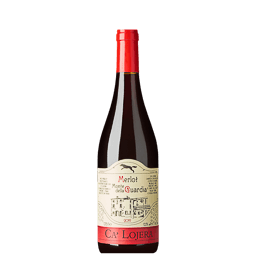 |
Monte della Guardia · Merlot 2021, Ca' LojeraCa' Lojera, Lombardy € 12,95 17,27 €/L | |||||||||||||||||||||||||||||||||||||||||||||||||||||||||||||||||||||||||||||||||||||||||||||||||