Story: Lambrusco | Classic
Page: 1/1

Lambrusco is much more than just a simple sparkling wine. It is deeply rooted in the culture and history of Emilia-Romagna - a true everyday wine that has accompanied people on festive occasions and in everyday life for centuries. In the summer heat of the Po Valley, it refreshes with its lightness, while in the cooler months of the year it accompanies strong, hearty dishes. Its versatility makes it the ideal companion for carefree moments - in Italy and around the world. Whether at family celebrations, picnics or barbecues: Lambrusco is always ready to offer a glass of joie de vivre.
Its enormous popularity is also due to its accessibility. Light, fresh, fruity and pleasantly sparkling, Lambrusco is easy to enjoy - even over several glasses. However, this seemingly down-to-earth red wine is produced with great care. High-quality Lambrusco is produced using the Charmat method, i.e. a second fermentation in a pressure tank. Its ruby red color, fine foam and playful mousse make it a charming but never overpowering wine. However, it is important to pay attention to quality - unfortunately, there are many simple, sweet varieties on the market that do not live up to the reputation of genuine Lambrusco.
Diversity by tradition: the grape varieties and DOC zones
The term Lambrusco encompasses not just one grape variety, but rather an entire family of grape varieties, most of which are cultivated in Emilia-Romagna. There are a total of four protected designations of origin (DOCs), each of which produces its own style:
- Lambrusco di Sorbara is usually dry, very elegant, light in color and characterized by lively acidity and floral notes, especially of violets.
- Lambrusco Grasparossa di Castelvetro is darker, more tannic and has a distinctly fruity sweetness - ideal for lovers of fuller wines.
- Lambrusco Salamino di Santa Croce, the smallest of the four DOC areas, produces dry, vinous and expressive wines with a fruity bouquet.
- Lambrusco Reggiano is the most important representative in terms of volume and is often also offered as a red frizzante.
Depending on the region of origin, ageing and residual sugar content - dry, semi-dry or sweet - this results in a range of styles that offer the right Lambrusco for almost every taste.
From antiquity to the present day - a wine with history
Lambrusco looks back on an impressive history. The first references to the cultivation of these wines date back to 861 BC, and as early as the 9th century, the Church of Modena demanded certain quantities of Lambrusco as an annual tax. The Roman statesman Cato also praised the region's enormous wine production. Such historical documents bear witness to the deep roots of this wine in the cultural heritage of Emilia.
Today, Lambrusco is one of the most produced wines in Italy, with an annual volume of up to two million hectoliters - the majority of which is destined for the Italian market. Compared to many other red wines, Lambrusco has not lost its consumers, on the contrary: it is defying the general decline in red wine consumption and is maintaining its popularity. This is not least due to its ability to adapt to the occasion and the season - light and invigorating in summer, warming and powerful in winter.
A wine with soul - and many faces
Whether as a dry Sorbara, fruity Grasparossa or round Salamino - Lambrusco is and remains a wine with soul. A true Italian that doesn't pretend to be more than it is and therefore impresses with its charm, character and authenticity. Properly selected, it is a high-quality sparkling wine that knows how to impress with its lightness and lively character. It is a piece of the Italian way of life in a glass - uncomplicated, enjoyable and always a little festive. - Gerardo [TS07/25]

| Name | Lambrusco | |||||||||||||||||||||||||||||||||||||||||||||||||||||||||||||||||||||||||||||||||||||||||||||||||
| Category | Classic | |||||||||||||||||||||||||||||||||||||||||||||||||||||||||||||||||||||||||||||||||||||||||||||||||
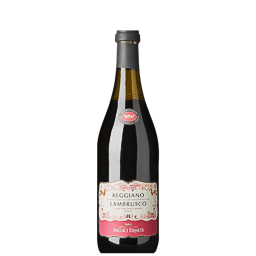 |
Lambrusco Reggiano Rosso dolce DOC (2025), Medici ErmeteMedici Ermete, Emilia-Romagna € 4,95 6,60 €/L | |||||||||||||||||||||||||||||||||||||||||||||||||||||||||||||||||||||||||||||||||||||||||||||||||
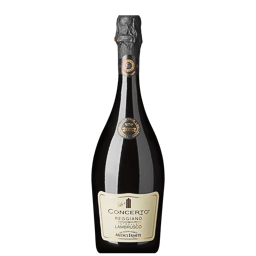 |
Concerto · Lambrusco Reggiano secco DOC 2022 (Bio), Medici ErmeteMedici Ermete, Emilia-Romagna € 10,95 14,60 €/L | |||||||||||||||||||||||||||||||||||||||||||||||||||||||||||||||||||||||||||||||||||||||||||||||||
 |
Quercioli dolce · Lambrusco Reggiano DOC (2024), Medici ErmeteMedici Ermete, Emilia-Romagna € 5,95 7,93 €/L | |||||||||||||||||||||||||||||||||||||||||||||||||||||||||||||||||||||||||||||||||||||||||||||||||
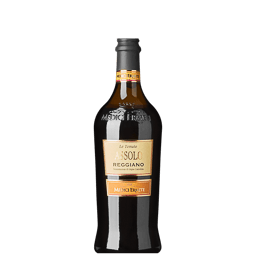 |
Assolo · Lambrusco Reggiano secco DOC 2024, Medici ErmeteMedici Ermete, Emilia-Romagna € 7,95 jetzt € 6,99 9,32 €/L | |||||||||||||||||||||||||||||||||||||||||||||||||||||||||||||||||||||||||||||||||||||||||||||||||
|
Concerto · Lambrusco Reggiano secco DOC 2023 (Bio), Medici ErmeteMedici Ermete, Emilia-Romagna € 10,95 14,60 €/L | |||||||||||||||||||||||||||||||||||||||||||||||||||||||||||||||||||||||||||||||||||||||||||||||||
 |
Quercioli secco · Lambrusco Reggiano DOC (2025), Medici ErmeteMedici Ermete, Emilia-Romagna € 5,95 7,93 €/L | |||||||||||||||||||||||||||||||||||||||||||||||||||||||||||||||||||||||||||||||||||||||||||||||||