Home Browse: Previous (1) Browse: Next (3) Shop: Valle d'Aosta, Wine region
Reading: 5 minutes | Listen to podcast: ()
Story: Valle d'Aosta | Wine region
Page: 2/5
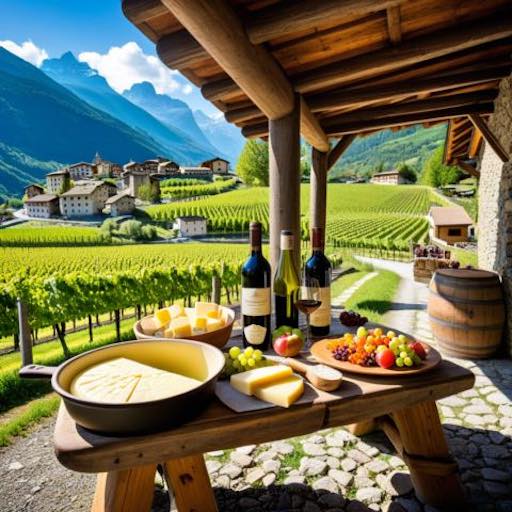
The cuisine of the Aosta Valley is strongly influenced by Alpine traditions. Typical regional specialties include:
· Fontina: A famous Alpine cheese that pairs well with fresh white or delicate red wines.
· Boudin, Lardo d'Arnad: Salted meat products that are often enjoyed locally with full-bodied red wines.
· Polenta and hearty stews: Perfect with the rustic but elegant wines of the region.
· Desserts: Local sweet wines such as Moscatos or Passito styles go particularly well with desserts such as almond pastries or nuts.
These dishes reflect the mountain terroir: hearty, artisanal cuisine with locally sourced ingredients that pair very well with the mineral, often crisp wines.
Notable wineries
Small family businesses and cooperatives dominate in the Aosta Valley - typically very small-scale:
· Grosjean Vin: A traditional winery that produces wines such as Cornalin, Petit Rouge, Pinot Noir, and Petite Arvine.
· Elio Ottin: Known for Torrette Supérieur, a blend of Petit Rouge, Fumin, and Cornalin.
· Les Crêtes: Produces Fumin wines, among others, which are often intense, smoky, and well-structured.
· Cave Valdôtaine: A central point of contact for wine lovers to discover many Valle d'Aosta wines.
Overall importance in viticulture & exports
Despite its small size, the region has great cultural and symbolic significance in viticulture:
· The vineyard area covers around 400-420 hectares.
· Annual production is around 20,000 hectoliters.
· According to sources, around 60% of the wines are red or rosé, and around 40% are white.
· The majority of wine production is consumed locally: around 70% remains in the Aosta Valley, around 20% goes to other Italian regions, and only around 10% is exported.
· The extreme terraced slopes, manual labor, and small plots make production costly, which gives the wines a rarity value and a prestigious image.
Summary and outlook for the future
The Aosta Valley is a fascinating little wine region in the Alps, captivating visitors with its extreme conditions, indigenous grape varieties, and “heroic viticulture.” Although it has only a few hectares of vineyards and limited production, the region impresses with its great diversity, craftsmanship, and strong terroir. Typical wines such as Torrette, Blanc de Morgex, and Nebbiolo from Donnas are full of character and convey a very specific Alpine impression. Looking ahead:
· Demand for high-quality, small-batch, “old-fashioned” wines could continue to rise, especially among enthusiasts and wine collectors.
· The promotion and revival of native grape varieties that have become rare is likely to continue, reinforcing the region's uniqueness.
· Wine tourism offers great potential: wine lovers could increasingly discover the Aosta Valley, especially through wine walks on terraces and visits to small wineries.
· Sustainability and preservation of the “heroic” wine-growing landscape could become even more important - both ecologically and culturally. - Gerardo [TS12/25]
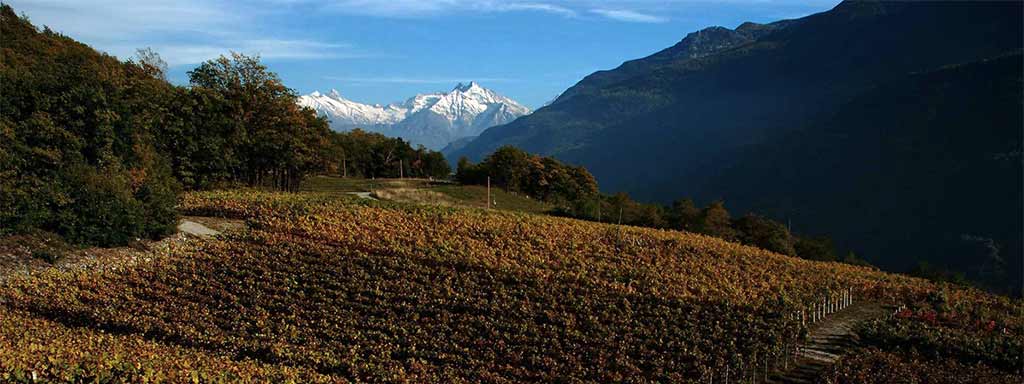
| Name | Valle D'Aosta | |||||||||||||||||||||||||||||||||||||||||||||||||||||||||||||||||||||||||||||||||||||||||||||||||
| Category | Wine Region | |||||||||||||||||||||||||||||||||||||||||||||||||||||||||||||||||||||||||||||||||||||||||||||||||
| Vineyard Area (Hectare) | 460 | |||||||||||||||||||||||||||||||||||||||||||||||||||||||||||||||||||||||||||||||||||||||||||||||||
| Grape Varieties | Petit Rouge, Fumin, Pinot Noir, Gamay, Muscat, Müller-Thurgau | |||||||||||||||||||||||||||||||||||||||||||||||||||||||||||||||||||||||||||||||||||||||||||||||||
| Capital | Aosta | |||||||||||||||||||||||||||||||||||||||||||||||||||||||||||||||||||||||||||||||||||||||||||||||||
 |
Attente Chambave Muscat Vallée d'Aosta DOC 2018, La Crotta di VegneronLa Crotta di Vegneron, Valle d'Aosta € 17,95 jetzt € 14,99 19,99 €/L | |||||||||||||||||||||||||||||||||||||||||||||||||||||||||||||||||||||||||||||||||||||||||||||||||
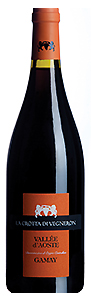 |
Gamay Vallée d'Aosta DOC 2019, La Crotta di VegneronLa Crotta di Vegneron, Valle d'Aosta € 9,95 jetzt € 7,99 10,65 €/L | |||||||||||||||||||||||||||||||||||||||||||||||||||||||||||||||||||||||||||||||||||||||||||||||||
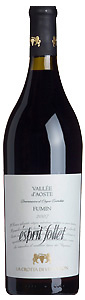 |
Esprit Follet · Fumin Vallée d'Aosta DOP 2017, La Crotta di VegneronLa Crotta di Vegneron, Valle d'Aosta € 19,95 jetzt € 15,99 21,32 €/L | |||||||||||||||||||||||||||||||||||||||||||||||||||||||||||||||||||||||||||||||||||||||||||||||||
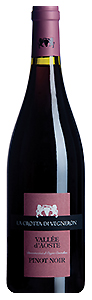 |
Pinot-Noir Vallée d'Aosta DOC 2019, La Crotta di VegneronLa Crotta di Vegneron, Valle d'Aosta € 12,95 jetzt € 10,99 14,65 €/L | |||||||||||||||||||||||||||||||||||||||||||||||||||||||||||||||||||||||||||||||||||||||||||||||||
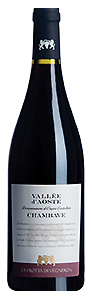 |
Chambave Rouge Vallée d'Aosta DOC 2019, La Crotta di VegneronLa Crotta di Vegneron, Valle d'Aosta € 10,95 jetzt € 8,99 11,99 €/L | |||||||||||||||||||||||||||||||||||||||||||||||||||||||||||||||||||||||||||||||||||||||||||||||||
 |
Creme Vallée d'Aosta Syrah DOC 2016, La Crotta di VegneronLa Crotta di Vegneron, Valle d'Aosta € 17,95 jetzt € 14,99 19,99 €/L | |||||||||||||||||||||||||||||||||||||||||||||||||||||||||||||||||||||||||||||||||||||||||||||||||