Story: Schiava Alto Adige (Alle) | Grape variety
Page: 1/1
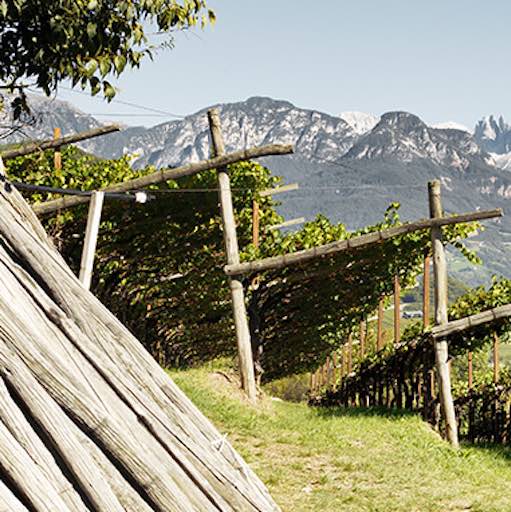
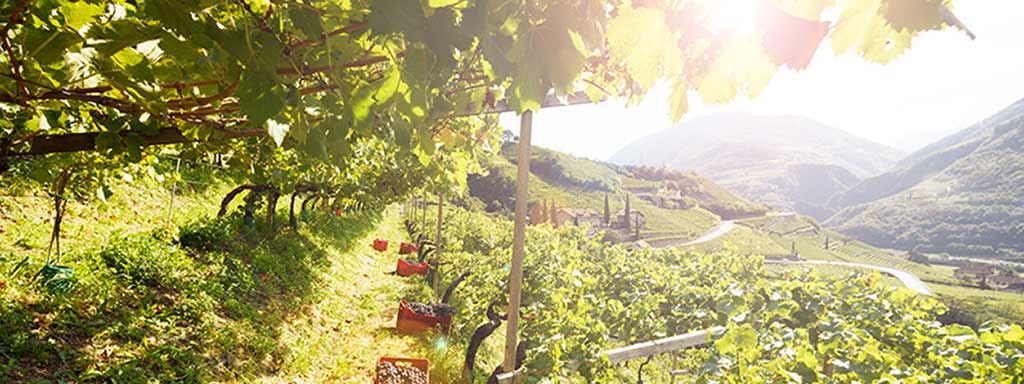
Vernatsch is a traditional red wine grape that is deeply rooted in South Tyrol. The name derives from the Latin vernaculus (= indigenous). The variety is known by its Italian name Schiava and almost always corresponds to the type known in South Tyrol as Großvernatsch (in Germany it is called Trollinger). Vernatsch grapes ripen on warm slopes up to an altitude of around 500 m; their thin skins produce light, ruby-red wines. These are usually light and low in tannins, with moderate acidity and a fruity bouquet. Typical notes include red berries and a hint of bitter almond.
History and origin
Vernatsch is one of the oldest known grape varieties in South Tyrol. As early as 1370, there is a document mentioning a variety called “Vernatschia” from Kaltern. Under Habsburg rule, South Tyrolean Vernatsch (at that time also in blends) was exported—around 1810 to Württemberg, for example. After the phylloxera crisis around 1900 and the Second World War, Vernatsch dominated local viticulture for decades: in the 1950s-70s, its wines accounted for over 70% of South Tyrol's red wine production at times. However, with the introduction of DOC regulations in 1971 and increased efforts to improve quality, many Vernatsch vineyards were reduced. In recent decades, the area under cultivation has decreased, while the quality of the remaining wines has increased - Vernatsch is currently experiencing a kind of renaissance.
Varieties and variants
The Vernatsch family includes several clones. The most important ones are:
- Großvernatsch (Schiava Grossa / Trollinger): This is the most widespread variety. Thanks to modern clone research, it produces relatively high-quality wines, which are usually marketed under the name Edelvernatsch. A small mutant with small berries is also called Tschaggelevernatsch.
- Mittervernatsch (Kleinvernatsch, Schiava Gentile): This variant used to be particularly widespread around Bolzano and in the Überetsch region. Due to its very low yields, it is considered high-quality, but is hardly ever planted today.
- Grauvernatsch (Schiava Grigia, Cenerina): A separate clone group with gray berries. It often produces particularly spicy wines (classically in the St. Magdalener area), but is demanding to cultivate. Because the grapes remain slightly unripe, there are only a few pure Grauvernatsch vineyards - current labels with “Grauvernatsch” usually come from mixed sets.
- “Rotfüssler”: Not a clone in its own right, but a traditional style designation, especially among certain producers. A Rotfüssler Vernatsch is often fermented spontaneously and gently in concrete. It is said to embody the typical, unadulterated character of Vernatsch - an honest, straightforward Vernatsch with a fine drinking flow.
Character and enjoyment
South Tyrolean Vernatsch wines are generally easy to drink. In the glass, they usually shine with a clear ruby red color. Their aroma is reminiscent of fresh wild strawberries, cherries, or raspberries, often accompanied by a delicate hint of violets and bitter almonds. On the palate, they are mild and juicy, with soft tannins and lively acidity. As the wines generally have low alcohol content (around 12%) and acidity, they are best enjoyed well chilled (approx. 54-57°F).
Vernatsch is considered the ideal accompaniment to South Tyrolean cuisine. It goes well with simple home-style dishes: smoked bacon, Kaminwurzen sausage, and Schüttelbrot crispbread are just as compatible with this wine as dumplings, Schlutzkrapfen ravioli, or polenta. Its mild fruitiness complements butter ravioli, beef carpaccio, or even pizza prima. With every tasting, Vernatsch shows its down-to-earth character - sometimes full-bodied and spicy (such as the classic St. Magdalener), sometimes velvety soft (such as Kalterersee) or elegantly fragrant (Meraner Hügel).
Today, after years of being displaced by international varieties, Vernatsch is experiencing a resurgence of interest. As an uncomplicated, easy-drinking summer wine, it is one of South Tyrol's leading varieties. Many winemakers rely on traditional methods of cultivation to preserve the typical almond-fruit flavor. South Tyrolean Vernatsch is very popular among connoisseurs and locals, not least because of its moderate alcohol content and versatility. - Gerardo [TS09/25]
"The trend is back towards lighter wines, trinky wines that can be enjoyed as a matter of course to give pleasure every day without philosophizing big time." - Helmuth Köcher, President of the Merano Wine Festival.
| Name | Schiava Alto Adige (Alle) | |||||||||||||||||||||||||||||||||||||||||||||||||||||||||||||||||||||||||||||||||||||||||||||||||
| Category | Grape Variety | |||||||||||||||||||||||||||||||||||||||||||||||||||||||||||||||||||||||||||||||||||||||||||||||||
 |
Moar · St. Magdalener Classico MAGNUM DOC 2018 (1er Geschenkbox), Kellerei BozenKellerei Bozen, South Tyrol € 35,00 23,33 €/L | |||||||||||||||||||||||||||||||||||||||||||||||||||||||||||||||||||||||||||||||||||||||||||||||||
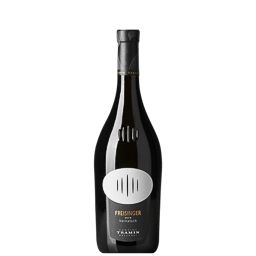 |
Freisinger · Vernatsch DOC 2018, Kellerei TraminKellerei Tramin, South Tyrol € 13,95 18,60 €/L | |||||||||||||||||||||||||||||||||||||||||||||||||||||||||||||||||||||||||||||||||||||||||||||||||
 |
Sonntaler · Vernatsch alte Reben DOC 2021, Kellerei KurtatschKellerei Kurtatsch, South Tyrol € 13,95 18,60 €/L | |||||||||||||||||||||||||||||||||||||||||||||||||||||||||||||||||||||||||||||||||||||||||||||||||
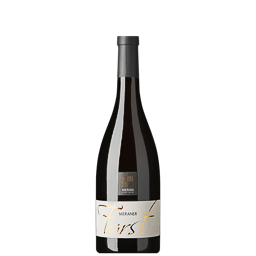 |
Fürst · Vernatsch Meraner DOC 2022, Kellerei MeranKellerei Meran, South Tyrol € 23,95 31,93 €/L | |||||||||||||||||||||||||||||||||||||||||||||||||||||||||||||||||||||||||||||||||||||||||||||||||
 |
St. Magdalener Classico DOC 2023, PfannenstielhofPfannenstielhof, South Tyrol € 18,95 25,27 €/L | |||||||||||||||||||||||||||||||||||||||||||||||||||||||||||||||||||||||||||||||||||||||||||||||||
 |
Moar · St. Magdalener Classico DOC 2022, Kellerei BozenKellerei Bozen, South Tyrol € 15,95 21,27 €/L | |||||||||||||||||||||||||||||||||||||||||||||||||||||||||||||||||||||||||||||||||||||||||||||||||