Story: Marchese Antinori | Tuscany
Page: 1/2
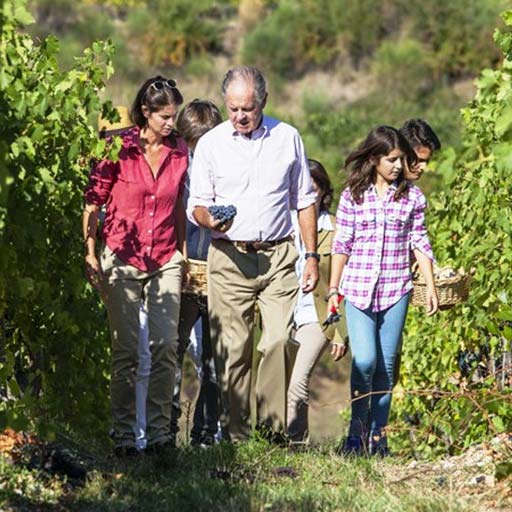
The name Antinori sounds like a whole orchestra of symbolism, history and elegance in the ears of every wine lover. The roots of this family so rich in tradition go back to 1180, when Ugo and Antinori di Rinuccio were first mentioned in a document as the owners of the medieval Castello di Combiate near Calenzano, north of Florence. Less than a century later, the family settled in Florence, where they soon became part of the economic upper class and were accepted into the prestigious guild of silk merchants.
A significant turning point followed in 1385, when Giovanni di Piero Antinori joined the Florentine winegrowers' guild - the Arte dei Vinattieri - as an apprentice. From that moment on, the family's history was inextricably linked to winegrowing in Tuscany. With over 600 years of uninterrupted activity in the wine sector, Antinori is one of the oldest family-run wineries in the world - a rare example of consistency and passion that has lasted for generations.
From the beginnings to the founding of the Antinori winery
Despite political upheavals and economic crises, the family continued to produce wine with vision and patience. In the late 19th century, in 1895 to be precise, they finally officially founded the Antinori winery, which laid the foundations for today's company structure. Just three years later, in 1898, the winery was built in San Casciano in Val di Pesa, south of Florence - a location that is still considered the heart of production today.
From here, a business developed that stood out not only for its quality but also for its innovative strength over the course of the 20th century. The Antinoris began to combine traditional grape varieties such as Sangiovese with international varieties such as Cabernet Sauvignon - a revolutionary step at the time that paved the way for the so-called Super Tuscans. These wines broke with the DOC regulations of the time and caused an international sensation.
Piero Antinori and the global expansion
Under the visionary leadership of Marchese Piero Antinori, who shaped the family business from the 1960s onwards, the winery experienced an unprecedented renaissance. Not only were classic labels such as Tignanello and Solaia born, which now enjoy cult status worldwide - the understanding of quality and origin was also redefined.
Piero Antinori set himself the goal of bringing Tuscan wines back to the top of the world - using state-of-the-art oenology, but without losing respect for tradition. Today, the family's best-known wineries include Santa Cristina, Pèppoli, Badia a Passignano, La Braccesca and the legendary Castello della Sala in Umbria, known for white wines such as Cervaro della Sala. The Piedmontese Prunotto is also part of the group and testifies to the desire to be present in the most diverse terroirs in Italy.
But Antinori is thinking bigger: the portfolio has been expanded globally with joint ventures in California (Atlas Peak), Chile, Romania and the historic Tokaj region in Hungary. However, the philosophy behind it all remains the same: understanding local terroir and interpreting it with the utmost precision.
A company between past and future
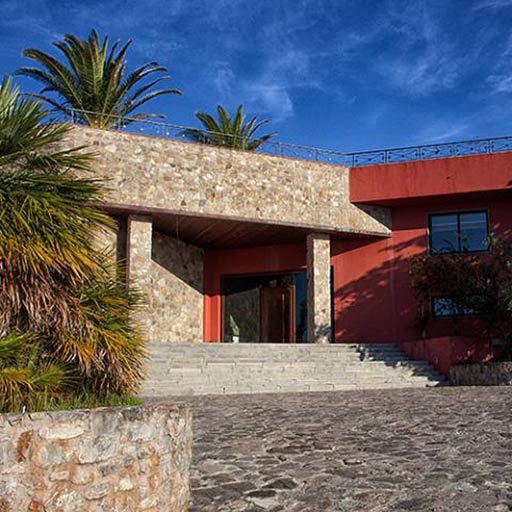
The Antinori family has been proving for centuries that tradition and innovation need not be a contradiction in terms. This is also evident in the architecturally spectacular winery in Bargino, which was opened in 2012. Nestled in the hills of Chianti Classico and built largely underground with respect for nature, it is not only a production site, but also an experience center for visitors and an architectural manifesto of modern viticulture.
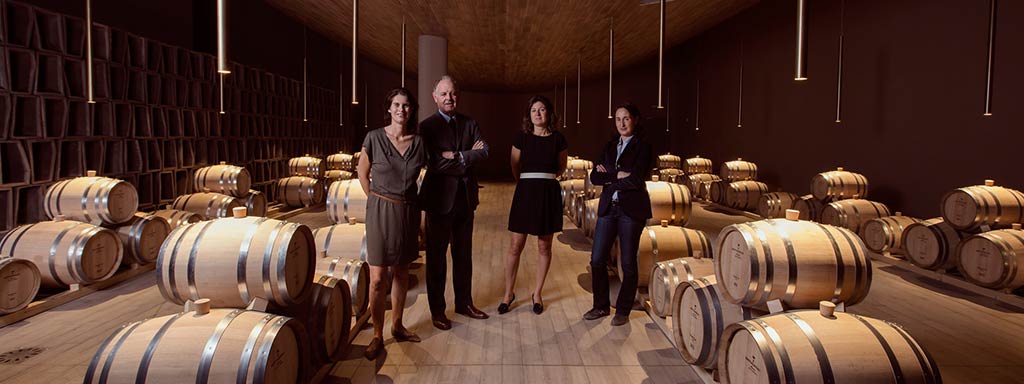
Today, Albiera Antinori and her sisters Allegra and Alessia are the 26th generation to run the family business - with the same dedication as their ancestors. Their focus is always on the connection between soil, grape variety, culture and people. They are leading Antinori into a future that continues to move between excellence, authenticity and international appeal. Antinori is more than just a name - it is a synonym for the best that Italian wine can be: tradition-conscious, elegant, courageous and cosmopolitan. - Gerardo [TS05/25]
"The Antinori family has been dedicated to wine production for more than 600 years. Throughout its history, the family has always managed the company directly, making innovative and bold choices without losing sight of tradition and the territory. The balance between tradition and innovation is a distinctive feature of the company, whose main values include a passion for wine, the care and patience typical of farmers, which are necessary to avoid compromising on quality." - Falstaff
 © www.antinori.it
| Name | Marchese Antinori | |||||||||||||||||||||||||||||||||||||||||||||||||||||||||||||||||||||||||||||||||||||||||||||||||
| Category | Tuscany | |||||||||||||||||||||||||||||||||||||||||||||||||||||||||||||||||||||||||||||||||||||||||||||||||
| Founding Year | 1898 | |||||||||||||||||||||||||||||||||||||||||||||||||||||||||||||||||||||||||||||||||||||||||||||||||
| Owner | Antinori Family | |||||||||||||||||||||||||||||||||||||||||||||||||||||||||||||||||||||||||||||||||||||||||||||||||
| Oenologist | Renzo Cotarella | |||||||||||||||||||||||||||||||||||||||||||||||||||||||||||||||||||||||||||||||||||||||||||||||||
| Annual Production (Btls) | 23.000.000 | |||||||||||||||||||||||||||||||||||||||||||||||||||||||||||||||||||||||||||||||||||||||||||||||||
| Vineyard Area (Hectare) | 2400 | |||||||||||||||||||||||||||||||||||||||||||||||||||||||||||||||||||||||||||||||||||||||||||||||||
| Additional Purchase | None | |||||||||||||||||||||||||||||||||||||||||||||||||||||||||||||||||||||||||||||||||||||||||||||||||
| Cultivation | Conventional | |||||||||||||||||||||||||||||||||||||||||||||||||||||||||||||||||||||||||||||||||||||||||||||||||
 |
Marchese Antinori · Chianti Classico Riserva DOCG 2022, Tenuta Tignanello - Marchesi AntinoriTenuta Tignanello - Marchesi Antinori, Tuscany € 41,95 55,93 €/L | |||||||||||||||||||||||||||||||||||||||||||||||||||||||||||||||||||||||||||||||||||||||||||||||||
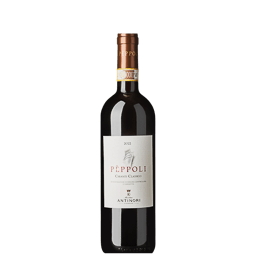 |
Pèppoli · Chianti Classico DOCG 2023, Tenute del Chianti Classico - Marchesi AntinoriTenute del Chianti Classico - Marchesi Antinori, Tuscany € 17,95 23,93 €/L | |||||||||||||||||||||||||||||||||||||||||||||||||||||||||||||||||||||||||||||||||||||||||||||||||
 |
Badia a Passignano · Chianti Classico Gran Selezione DOCG 2019, Tenuta Tignanello - Marchesi AntinoriTenuta Tignanello - Marchesi Antinori, Tuscany € 45,95 61,27 €/L | |||||||||||||||||||||||||||||||||||||||||||||||||||||||||||||||||||||||||||||||||||||||||||||||||
 |
Solaia · Toscana IGT 2019 (3er Holzkiste), Villa AntinoriVilla Antinori, Tuscany € 1330,00 591,11 €/L | |||||||||||||||||||||||||||||||||||||||||||||||||||||||||||||||||||||||||||||||||||||||||||||||||
 |
Guado al Tasso · Bolgheri Superiore DOC 2020 (6er Holzkiste), Tenuta Guado al Tasso - Marchesi AntinoriTenuta Guado al Tasso - Marchesi Antinori, Tuscany € 970,00 215,56 €/L | |||||||||||||||||||||||||||||||||||||||||||||||||||||||||||||||||||||||||||||||||||||||||||||||||
 |
Guado al Tasso · Bolgheri Superiore DOC 2020, Tenuta Guado al Tasso - Marchesi AntinoriTenuta Guado al Tasso - Marchesi Antinori, Tuscany € 160,00 213,33 €/L | |||||||||||||||||||||||||||||||||||||||||||||||||||||||||||||||||||||||||||||||||||||||||||||||||