Home Browse: Start (1) Browse: Previous (2) Browse: Next (4) Shop: Muri Gries, South Tyrol
Reading: 6 minutes | Listen to podcast: ()
Story: Muri Gries | South Tyrol
Page: 3/5

Benedict of Nursia, the founder of the Monte Cassino monastery, was already concerned with wine and its appropriate use over 1,500 years ago - a debate that lives on in monasteries to this day. Wine has always been more than just a stimulant: it has religious, cultural and medical significance. The Bible is full of references to the juice of the vine - for example in Psalm 104, where wine is praised as a gift from God that gladdens the heart of man. In the Jewish-Christian tradition, wine is a central symbol. It plays an indispensable role in church services, especially as the wine of the mass. In addition, wine has always been regarded as an elixir of life - well dosed and enjoyed in moderation. It is therefore no coincidence that monasteries in central and southern Europe have played a key role in the spread and cultivation of European viticulture since the early Middle Ages.
Muri-Gries as guardian of monastic wine tradition
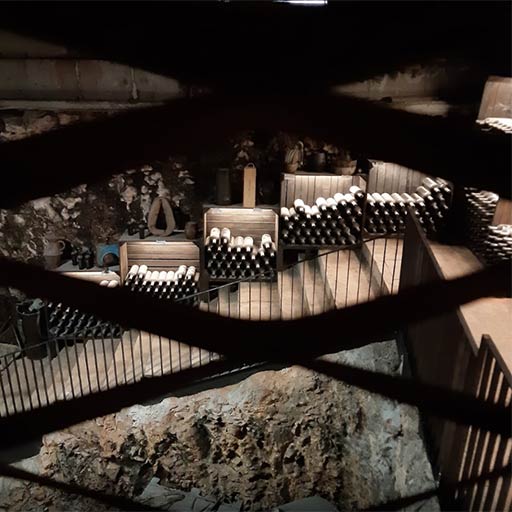
Muri-Gries Monastery has seen itself as the guardian of this wine-growing tradition since its foundation. The vineyards belonging to the monastery are cultivated with great care - from the vineyard to the historic monastery cellar to bottling. The manageable in-house production makes it possible to ensure the highest quality. It is a philosophy of responsibility: the wines of Muri-Gries are not only a flagship, but also a commitment to preserving a cultural heritage. Since 1788, the wines have been maturing in the old walls of the former Augustinian canons' monastery, at the heart of the monastery complex. This is also where the old wine press from 1549 is located - a symbol of the permanence and task of practicing viticulture with tradition. Modern cellar technology is used discreetly without disturbing the historical structures. The fermentation cellar, the stainless steel vats and the large wooden barrels and barriques are in perfect harmony with the centuries-old walls.
From past to present
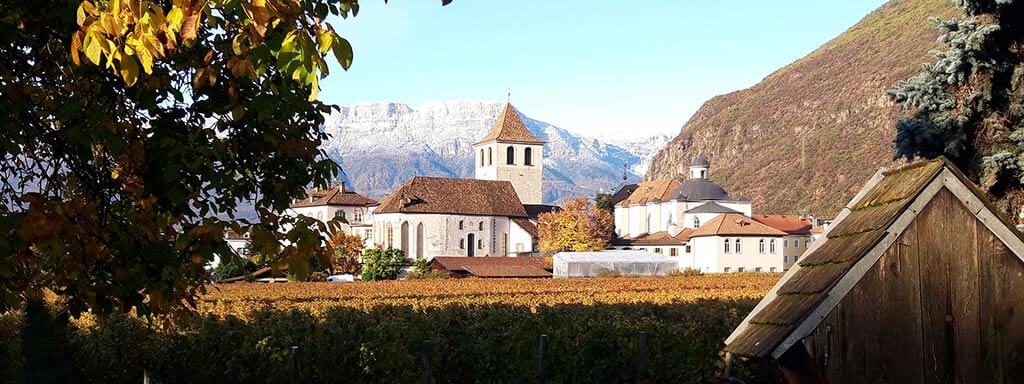
The arrival of the Benedictine monks from the Swiss monastery of Muri in 1845 marked the beginning of a new era for Gries. The monastery winery was further developed and professionalized over the years. In the 20th century, more emphasis was placed on in-house bottling - a decisive step in bringing the Muri-Gries winery into the modern age. Today, it is considered exemplary for the combination of the Benedictine way of life, respectful treatment of nature and precision craftsmanship in viticulture.
The people behind the wine
Two personalities play a key role in shaping the quality and philosophy of Muri-Gries: Walter Bernard and Christian Werth. Walter Bernard, born in 1970, has been looking after the vineyards since 1990. He carefully observes every phase of vine growth and describes his approach as sensitive “nurturing” of the vines - always with the aim of achieving the best possible grape quality.
Christian Werth, born in 1961, has been working as a cellar master since 1988. For him, his profession is also a vocation. Between tradition and innovation, he finds his own way - supported by the monastery community. The moment when the new vintage is tasted for the first time is always a highlight for him: a reflection of nature and its diversity. Muri-Gries not only stands for excellent wines, but also for people who carry on a centuries-old heritage with dedication and respect. - Gerardo [TS05/25]
 © www.muri-gries.com
| Name | Muri Gries | |||||||||||||||||||||||||||||||||||||||||||||||||||||||||||||||||||||||||||||||||||||||||||||||||
| Category | South Tyrol | |||||||||||||||||||||||||||||||||||||||||||||||||||||||||||||||||||||||||||||||||||||||||||||||||
| Founding Year | 1500 | |||||||||||||||||||||||||||||||||||||||||||||||||||||||||||||||||||||||||||||||||||||||||||||||||
| Owner | Monastery Muri | |||||||||||||||||||||||||||||||||||||||||||||||||||||||||||||||||||||||||||||||||||||||||||||||||
| Oenologist | Manfred Bernard | |||||||||||||||||||||||||||||||||||||||||||||||||||||||||||||||||||||||||||||||||||||||||||||||||
| Annual Production (Btls) | 500.000 | |||||||||||||||||||||||||||||||||||||||||||||||||||||||||||||||||||||||||||||||||||||||||||||||||
| Vineyard Area (Hectare) | 30 | |||||||||||||||||||||||||||||||||||||||||||||||||||||||||||||||||||||||||||||||||||||||||||||||||
| Additional Purchase | No | |||||||||||||||||||||||||||||||||||||||||||||||||||||||||||||||||||||||||||||||||||||||||||||||||
| Cultivation | Conventional | |||||||||||||||||||||||||||||||||||||||||||||||||||||||||||||||||||||||||||||||||||||||||||||||||
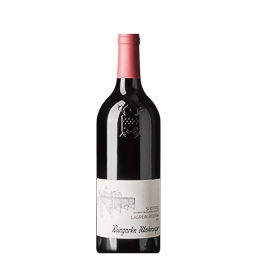 |
Weingarten Klosteranger · Lagrein Riserva DOC 2020, Muri GriesMuri Gries, South Tyrol € 74,95 99,93 €/L | |||||||||||||||||||||||||||||||||||||||||||||||||||||||||||||||||||||||||||||||||||||||||||||||||
 |
Messwein · Weißburgunder Literflasche DOC 2024, Muri GriesMuri Gries, South Tyrol € 9,99 9,99 €/L | |||||||||||||||||||||||||||||||||||||||||||||||||||||||||||||||||||||||||||||||||||||||||||||||||
 |
Vernatsch Mitterberg Literflasche DOC 2021, Muri GriesMuri Gries, South Tyrol € 8,99 8,99 €/L | |||||||||||||||||||||||||||||||||||||||||||||||||||||||||||||||||||||||||||||||||||||||||||||||||
 |
St. Magdalener Classico DOC 2024, Muri GriesMuri Gries, South Tyrol € 10,50 14,00 €/L | |||||||||||||||||||||||||||||||||||||||||||||||||||||||||||||||||||||||||||||||||||||||||||||||||
|
Weingarten Klosteranger · Lagrein Riserva DOC 2018, Muri GriesMuri Gries, South Tyrol € 74,95 99,93 €/L | |||||||||||||||||||||||||||||||||||||||||||||||||||||||||||||||||||||||||||||||||||||||||||||||||
 |
Muri Gries Lagrein · 3x Lagrein DOC (3er Geschenkbox), Muri GriesMuri Gries, South Tyrol € 45,00 20,00 €/L | |||||||||||||||||||||||||||||||||||||||||||||||||||||||||||||||||||||||||||||||||||||||||||||||||