Home Browse: Previous (1) Shop: Negroamaro, Grape variety
Reading: 6 minutes | Listen to podcast: ()
Story: Negroamaro | Grape variety
Page: 2/2
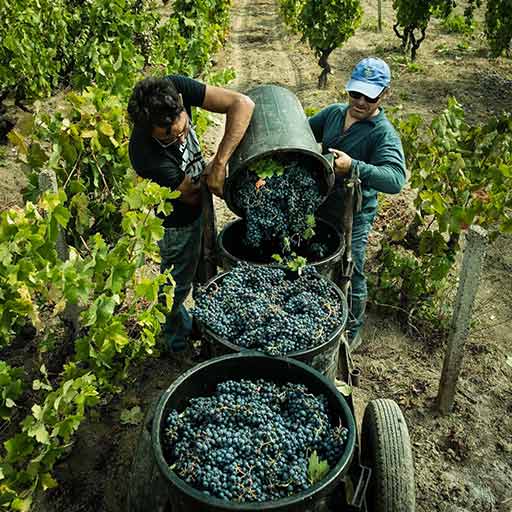
Traditionally, Negroamaro is often used as a component of cuvées in southern Italy, together with grape varieties such as Primitivo, Malvasia Nera, Sangiovese or Montepulciano. These cuvées are popular, as the soft, slightly spicy notes of Negroamaro harmonize wonderfully with the intense aromas of its blending partners. At the same time, Negroamaro has also made a name for itself in single-varietal wines in recent years. Winegrowers are increasingly producing single-varietal Negroamaro wines to showcase the diversity and unmistakable character of this grape. These wines impress with their elegant structure, the combination of fruity and spicy notes and their distinctive southern Italian typicity.
Salice Salentino DOC: proof of the quality of Negroamaro
The best Negroamaro wines undoubtedly come from Salento, a region known for its fertile soils and Mediterranean climate. The designation Salice Salentino DOC is synonymous with Negroamaro wines of the highest quality. This DOC status guarantees that the wine is made from strict quality standards and the best grapes in Salento, resulting in complex, multi-layered wines. On the palate, Salice Salentino wines are velvety, full-bodied and have a hint of cherry and spice. The high degree of ripeness of the grapes produces wines that are appreciated both as everyday wines and as fine wines for special occasions.
Negroamaro Rosato: a rosé with character
A special variant of Negroamaro wines is Rosato - a rosé wine that is also made from this grape variety. With its light cherry-red color and fresh, fruity aromas, Cerasuolo di Negroamaro is an elegant representative of Italy's rosé wines. It combines the fresh acidity of a rosé with the typical fruity strength of Negroamaro. Cerasuolo di Negroamaro is light and refreshing and is often described as having aromas of strawberries, cherries and a hint of Mediterranean herbs, making it a particularly good summer wine and an excellent accompaniment to antipasti and seafood.
Negroamaro and sustainability: a grape variety with a future
In recent years, the production of Negroamaro has increasingly developed in the direction of sustainability and organic cultivation. As the grape variety is relatively resistant to diseases and extreme weather conditions, it is particularly suitable for environmentally friendly viticulture. More and more wineries are turning to natural cultivation methods that do not require the use of chemical pesticides. These efforts are not only a contribution to environmental protection, but also a tribute to the rich heritage of Negroamaro and the viticultural culture of Apulia.
Negroamaro: a renaissance of southern Italian wine culture
The increasing popularity of the Negroamaro grape variety is symbolic of the rediscovery of southern Italian wines. Often dismissed as simple and rustic in the past, Negroamaro is now used in high-quality wines and celebrated as an expression of Puglia's culture. Thanks to its ability to reflect the nuances of the terroir, Negroamaro offers wines that provide a distinctive combination of power, complexity and warmth. The renaissance of this grape variety and the increase in the quality of Apulian wines illustrate the growing recognition of Negroamaro on an international level and the fascination that the grape variety exerts on wine lovers worldwide.
In today's wine world, Negroamaro has found a new identity as a sophisticated, intense wine from Apulia. This grape, which was once mainly used for regional everyday wines, now presents itself as an integral part of Italian quality viticulture - a grape variety that stands for tradition, terroir and the future of southern Italian wine in equal measure. - Gerardo [TS11/24]
| Name | Negroamaro | |||||||||||||||||||||||||||||||||||||||||||||||||||||||||||||||||||||||||||||||||||||||||||||||||
| Category | Grape Variety | |||||||||||||||||||||||||||||||||||||||||||||||||||||||||||||||||||||||||||||||||||||||||||||||||
 |
Tempio di Giano · Negroamaro IGT 2023, VetrèreVetrère, Puglia € 10,95 14,60 €/L | |||||||||||||||||||||||||||||||||||||||||||||||||||||||||||||||||||||||||||||||||||||||||||||||||
 |
Anticaia · Salice Salentino DOP 2022, Cantina San DonaciCantina San Donaci, Puglia € 6,50 8,67 €/L | |||||||||||||||||||||||||||||||||||||||||||||||||||||||||||||||||||||||||||||||||||||||||||||||||
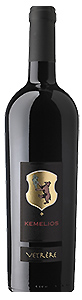 |
Kemelios · Salento Rosso IGT 2015, VetrèreVetrère, Puglia € 29,95 39,93 €/L | |||||||||||||||||||||||||||||||||||||||||||||||||||||||||||||||||||||||||||||||||||||||||||||||||
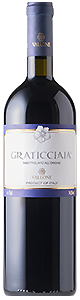 |
Graticciaia · Salento Rosso IGT 2016, Agricole ValloneAgricole Vallone, Puglia € 49,95 66,60 €/L | |||||||||||||||||||||||||||||||||||||||||||||||||||||||||||||||||||||||||||||||||||||||||||||||||
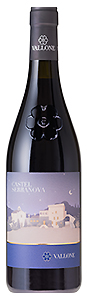 |
Castel Serranova Salento Rosso IGP 2015, Agricole ValloneAgricole Vallone, Puglia € 13,95 18,60 €/L | |||||||||||||||||||||||||||||||||||||||||||||||||||||||||||||||||||||||||||||||||||||||||||||||||
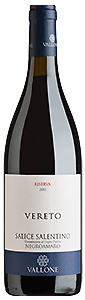 |
Vereto Salice Salentino Riserva DOC 2018, Agricole ValloneAgricole Vallone, Puglia € 9,95 13,27 €/L | |||||||||||||||||||||||||||||||||||||||||||||||||||||||||||||||||||||||||||||||||||||||||||||||||