Story: Negroamaro | Grape variety
Page: 1/2
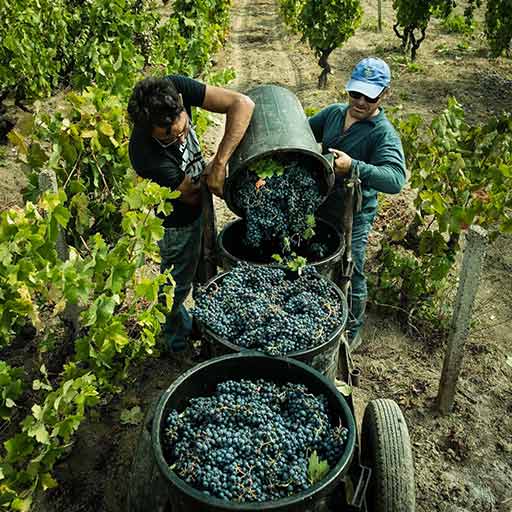
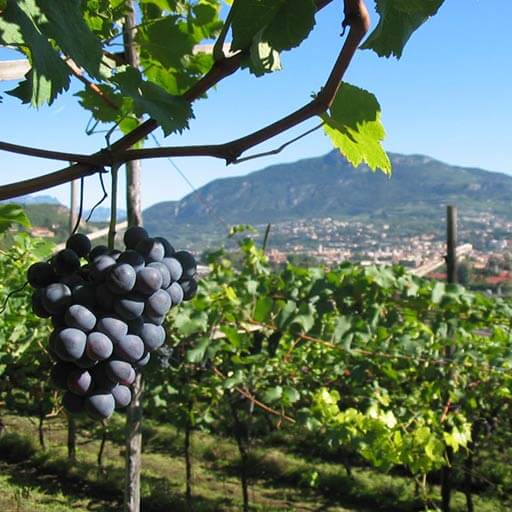
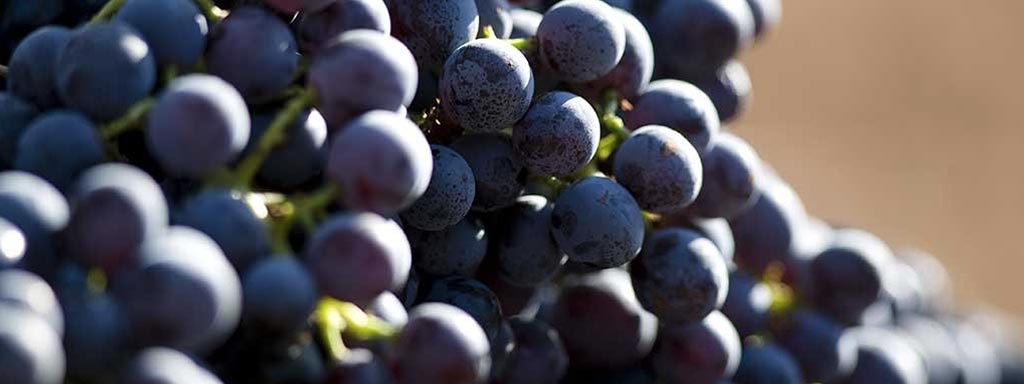
Negroamaro is undoubtedly one of Italy's most famous and historically significant grape varieties and has been cultivated in Puglia for more than 1,500 years. Originally native to the Salento region, this dark-skinned grape is now considered the flagship of the intense and multi-faceted wines of southern Italy. Negroamaro wines not only impress with their intense color and characteristic aroma, but also with their ability to reflect the sunny, Mediterranean terroir of Apulia in the glass.
Origin and naming: a story between antiquity and modernity
The name Negroamaro raises an interesting question that has yet to be clearly answered. A modern interpretation traces the name back to Italian: “negro” means “black” and “amaro” stands for “bitter”. This name could reflect the dark color and the often spicy, bitter note of the wine. An alternative explanation draws on an ancient Latin-Greek interpretation, in which “niger” (black in Latin) and “mavros” (black in Greek) gave rise to the name “dark black” - a double emphasis on the deep color that the Negroamaro develops when fully ripe.
The terroir of Apulia: ideal conditions for Negroamaro
Apulia, particularly the Salento peninsula, is the heart of Negroamaro production. The hot, dry climate, which is characterized by its proximity to the Adriatic and the Ionian Sea, offers the grape variety ideal conditions. The region has extremely low rainfall, but Negroamaro has proven to be resistant to the heat and drought. The grape thrives in this landscape and produces wines year after year that benefit from the intense sunshine and mineral soils of Puglia. This cultivation method gives the wines their full-bodied character, strong aromas and subtle minerality.
Taste and aroma: black fruits, earth and Mediterranean spice
Negroamaro is known for its strong, dark color, which already gives an idea of its flavor intensity in the glass. The wine is often characterized by aromas of black berries such as blackberry and blackcurrant, which are supported by a pleasant, medium-bodied tannin structure. There are also earthy tones and subtle, slightly medicinal hints that lend the wine a mysterious complexity. Spicy notes such as cloves, cinnamon and allspice can often be found in mature Negroamaro wines, reminiscent of the warm, Mediterranean spices that grow in the region itself. - Gerardo [TS11/24]
| Name | Negroamaro | |||||||||||||||||||||||||||||||||||||||||||||||||||||||||||||||||||||||||||||||||||||||||||||||||
| Category | Grape Variety | |||||||||||||||||||||||||||||||||||||||||||||||||||||||||||||||||||||||||||||||||||||||||||||||||
 |
Negroamaro Salento IGT 2022, RiveraRivera, Puglia € 7,50 10,00 €/L | |||||||||||||||||||||||||||||||||||||||||||||||||||||||||||||||||||||||||||||||||||||||||||||||||
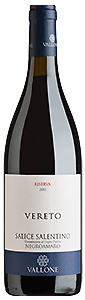 |
Vereto Salice Salentino Riserva DOC 2018, Agricole ValloneAgricole Vallone, Puglia € 9,95 13,27 €/L | |||||||||||||||||||||||||||||||||||||||||||||||||||||||||||||||||||||||||||||||||||||||||||||||||
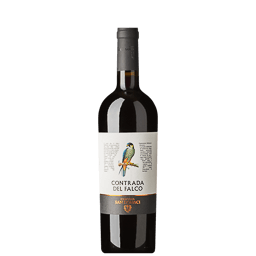 |
Contrada del Falco · Salento Rosso IGT 2021, Cantina San DonaciCantina San Donaci, Puglia € 8,50 11,33 €/L | |||||||||||||||||||||||||||||||||||||||||||||||||||||||||||||||||||||||||||||||||||||||||||||||||
 |
Anticaia · Salice Salentino Riserva DOP 2019, Cantina San DonaciCantina San Donaci, Puglia € 7,50 10,00 €/L | |||||||||||||||||||||||||||||||||||||||||||||||||||||||||||||||||||||||||||||||||||||||||||||||||
 |
Jaddico · Brindisi Rosso Riserva DOC 2019, Tenute RubinoTenute Rubino, Puglia € 17,50 23,33 €/L | |||||||||||||||||||||||||||||||||||||||||||||||||||||||||||||||||||||||||||||||||||||||||||||||||
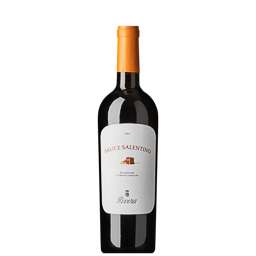 |
Salice Salentino DOC 2021, RiveraRivera, Puglia € 7,50 jetzt € 6,99 9,32 €/L | |||||||||||||||||||||||||||||||||||||||||||||||||||||||||||||||||||||||||||||||||||||||||||||||||